


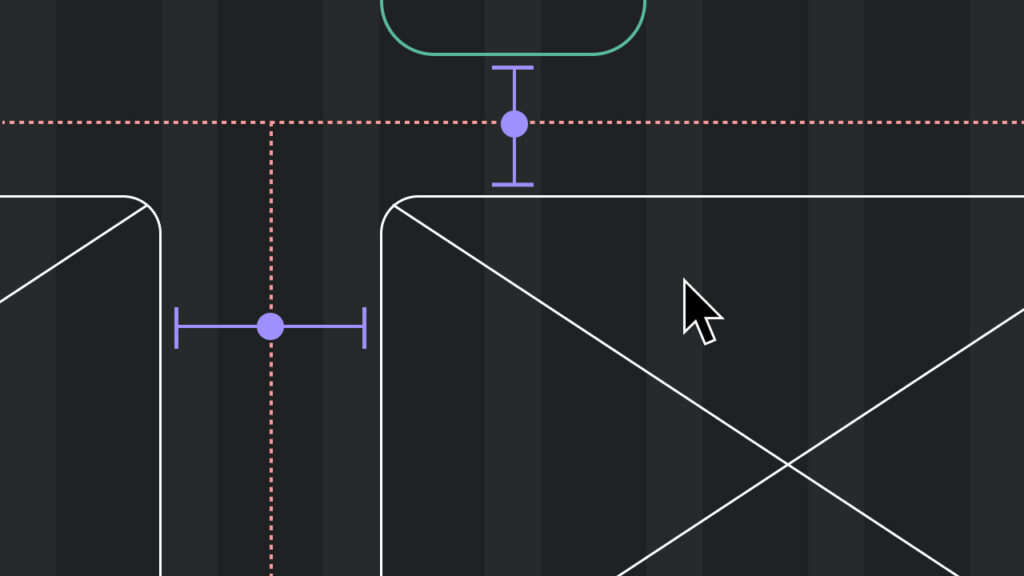
Having a clear and compelling website mockup is essential for effectively communicating your design vision to clients and stakeholders. Mockups serve as visual representations of what the final website will look like, helping to align everyone’s expectations early in the project.
Understanding Website Mockups
A website mockup is a static, high-fidelity visual of a web page or entire website. Unlike prototypes, mockups do not have interactive elements—they focus solely on aesthetics, layout, typography, and content placement. They are invaluable for:
- Presenting your design concept
- Gathering early feedback
- Testing different visual ideas
- Ensuring everyone is aligned before development begins
Note: For further insights on the complexities of web design, check out what does web design entail 18.
Differentiating Mockups from Wireframes and Prototypes
- Wireframes: Low-fidelity sketches outlining the basic structure and layout. They serve as the foundation for your design and are quick to create.


-
Mockups: High-fidelity, visually detailed representations, built upon wireframes, showing exact design elements.
-
Prototypes: Fully interactive, high-fidelity models that simulate user interactions, allowing usability testing before development.
Tips for Mastering Mockup Design
1. Choose the Right Design Tool
Selecting an appropriate mockup tool is crucial. Consider factors such as ease of use, collaboration features, and integration capabilities. Popular options include:
- Figma: Collaborative, cloud-based design platform suitable for high-quality, real-time feedback.
- InVision: Offers templates and seamless integrations with tools like Slack and Figma.
- Adobe XD: User-friendly with drag-and-drop features for creating web blueprints.
- Mockplus: WYSIWYG editor supporting testing across devices.
- Gravit: Ideal for creating pixel-perfect patterns.
- Adobe Photoshop: For detailed, high-fidelity mockups.
2. Start with a Wireframe
Always begin your process with a wireframe. It helps visualize the structure and functionality early, allowing for feedback before investing time in detailed design. Wireframes facilitate:
- Clearer, distraction-free feedback
- Faster iterations
- Better understanding of user needs and site flow
3. Draw Inspiration from Competitors
Analyzing competitors’ websites can spark ideas and highlight industry standards. Use this insight to craft a unique, tailored design. Be cautious not to imitate too closely—aim for originality that resonates with your target audience.
4. Incorporate Internal Reviews
Integrate review stages into your workflow to gather diverse perspectives. Tools like MarkUp.io streamline feedback collection by allowing team members to leave precise, pixel-perfect comments directly on the mockup. This ensures constructive input and keeps the project on track.
5. Adhere to UI Design Principles
A successful mockup also considers user interface best practices:
- Empower users: Let them control interactions.
- Prioritize usability: Remove unnecessary elements.
- Minimize cognitive load: Keep steps simple.
- Maintain consistency: Use uniform styles, fonts, and tones throughout.
Mockup Examples for Various Industries
Finance Websites
- Banking: Showcases user account management and transaction features, with clear navigation for transfers and expense tracking.
- Crypto Trading: Emphasizes trust through color schemes like blue, with a focus on market data and user engagement.
- Online Payments: Highlights features and customer reviews, often with sophisticated color palettes to reinforce credibility.
Creative Agencies
- Artwork Portfolios: Use vibrant colors and bold layouts to showcase art.
- Digital Agencies: Present awards, completed projects, and clear user flow for service inquiry.
- Branding Agencies: Use branding as a case study, displaying previous work and expertise.
eCommerce Platforms
- Clothing Stores: Feature product browsing with appealing visuals.
- Shopify Themes: Categorize products and showcase collections effectively.
- Candy Shops: Use playful colors and imagery, with clear calls to action like “Order Now.”
Business Services
- Company Culture: Visuals and colors that convey positivity and engagement.
- Service Pages: Clear descriptions of offerings, with engaging visuals to guide users.
- Manufacturing: Organized layouts highlighting products and services, with professional color schemes.
Streamlining Your Mockup Workflow
Integrate tools like MarkUp.io to facilitate efficient review and approval processes. This platform enables seamless feedback collection, version tracking, and collaboration, making your design process smoother and more productive.
Experience the benefits firsthand by signing up for a free trial of MarkUp.io. Many designers find it a game-changer, dramatically reducing misunderstandings and revisions.
Optimizing your mockup process not only enhances communication but also saves time and resources. Embrace these tips and examples to elevate your website design projects to professional standards.