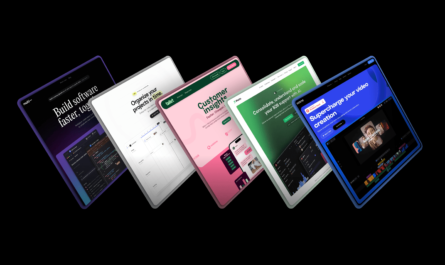
Getting started in web development and design opens up a world of opportunities, whether you’re aiming for a full-time job, freelance gigs, or building your own projects. The demand for skilled web professionals continues to grow rapidly, with millions of developers worldwide and an expected increase in employment over the coming years. As the internet becomes an even more integral part of business and daily life, acquiring web development and design skills can be both rewarding and profitable. This guide will walk you through the essentials—from understanding the industry to acquiring skills, setting up your business, and promoting your services.
The Growth and Opportunities in Web Development and Design
Web design and development are thriving markets, offering numerous avenues for employment, freelance work, and entrepreneurship. Currently, there are nearly 29 million web developers globally, and this number is projected to increase by approximately 16% by 2032. The internet serves as a vital platform for commerce, communication, and entertainment, reaching over 66% of the world’s population. This widespread connectivity underscores the importance of a strong online presence for businesses, which in turn fuels demand for talented web professionals.
The web industry is also characterized by continuous innovation. Staying updated with the latest technologies and trends is essential for remaining competitive. Companies that fail to adopt new web tools and techniques risk falling behind their competitors. As a result, there is a consistent need for skilled web designers and developers who can create engaging, functional, and modern websites.
Understanding Web Development and Design
Web development involves building the websites and online services that populate the internet. It combines coding with user interface design, requiring a solid understanding of both technical and aesthetic principles. Developers work behind the scenes, creating the code that makes websites function smoothly. Web design, on the other hand, focuses on crafting the visual aspects and user experience, ensuring that websites are attractive and easy to navigate.
While many employers hire web developers as full-time staff, freelancing is also a popular route, offering flexibility for those who prefer to work from home or outside traditional hours. Whether you aim to work for a company or run your own business, your rates will depend on your skill level, experience, and the complexity of projects you undertake.
The average salary for a web developer in the UK, based on a survey of 2,500 salaries, is approximately £31,897. Larger firms or those in higher-paying regions may offer closer to £40,000, especially for specialists with expertise in niche technologies. Beginners or junior developers typically earn between £20,000 and £28,000. Freelancers, meanwhile, often charge hourly or daily rates, with median figures around £52 per hour and £413 per day, respectively. As your reputation grows, you can gradually increase your fees.
Setting Up as a Web Developer or Designer
Managing finances is crucial for freelance professionals. It’s advisable to set up a dedicated business bank account to separate personal and business finances. This can simplify invoicing, tax calculations, and expense tracking. When starting out, offering a flat fee for projects can be profitable if the scope is clear. However, longer or more complex jobs may require flexible pricing based on time and revisions.
Cash flow management is vital, as clients may delay payments. Invoice finance—using unpaid invoices as collateral for loans—can help maintain liquidity during lean periods. Be strict about payment terms and consider incorporating late payment fees to protect your income.
Solo web developers typically have minimal overhead costs. Basic hardware such as a reliable laptop or desktop suffices for most tasks, although more advanced design work might benefit from higher-performance equipment. Many core development tools, like Visual Studio Code, are free, making it accessible to start without significant investment. Paid software, such as Adobe’s Creative Cloud suite, may be necessary for professional-grade design, but subscribing to individual applications can be more affordable.
Additional costs might include web hosting to showcase your portfolio or test websites, a dedicated workspace or office desk, and training or certification courses to upgrade your skills. Many of these expenses are covered by employers if you work full-time, but freelancers must budget for them independently.
Choosing Your Specialization and Learning Path
Web design and development are accessible fields with few barriers to entry. You don’t need a dedicated web server or extensive prior knowledge; a standard computer and a willingness to learn are enough to start experimenting and building. As you progress, you should consider which area aligns best with your interests and strengths:
-
Web Development: Focuses on the back-end, involving server-side programming, databases, and application logic. Ideal for those interested in coding, systems engineering, or problem-solving.
-
Web Design: Centers on the visual and interactive aspects of websites—layout, color schemes, typography, and user experience. While artistic skills are beneficial, some coding knowledge is usually required to implement designs effectively.
-
Full-Stack Development: Combines both front-end and back-end skills, enabling you to handle entire projects independently. Many employers value full-stack abilities, especially in smaller organizations.
The rapid evolution of web technologies means developers often specialize in specific frameworks or languages. Popular tools include:
- React for building dynamic user interfaces
- Angular for creating comprehensive web applications
- Vue.js for fast, flexible development
- Node.js for server-side programming
Learning these technologies can be achieved through tutorials, online courses, or self-guided projects. Many resources, including free courses from Harvard’s CS50 series or platforms like FreeCodeCamp, provide comprehensive training at no cost.
Education and Certification Options
While self-taught skills can be sufficient, formal education and certification can enhance your credibility and job prospects. Short online courses ranging from £12 to £100 often offer certification and CPD points, serving as proof of your abilities. Reputable providers like Google and Adobe also offer recognized certification programs, which can make you more attractive to clients and employers.
A university degree in web development or related fields can provide a competitive edge. Several UK universities offer undergraduate courses lasting 2-4 years, while part-time options are available through institutions like the Open University, allowing you to earn certificates, diplomas, or degrees without leaving full-time employment.
Building Your Portfolio and Marketing Your Services
Effective marketing is essential for growing your web design or development business. While word-of-mouth referrals are valuable, establishing a strong online presence on platforms like LinkedIn can showcase your work to potential clients. Maintaining a professional portfolio website is crucial—demonstrating your skills, previous projects, and areas of expertise.
If you are an experienced professional, consider expanding into agency work. Collaborating with other web professionals can enable you to undertake larger, more complex projects, which often command higher fees. Setting up a web design agency involves additional logistical challenges but can be highly profitable if you have a solid client base and a good reputation.
Funding options, such as startup business loans—either unsecured or secured—can support your growth, covering costs like equipment, marketing, or hiring additional staff.
Conclusion
Web development and design are accessible fields with low barriers to entry, provided you have the motivation to learn and adapt. Whether you view it as a hobby, side gig, or full-time career, the key is to continuously develop your skills, stay updated with industry trends, and effectively promote your services. With dedication and strategic planning, you can carve out a successful niche in this dynamic and ever-evolving industry.
For further insights into creating effective online displays, explore tips on designing impactful website banners, or deepen your understanding of digital advertising through comprehensive guides available online.