A well-crafted online portfolio is one of the most powerful tools for a web designer seeking to draw in new clients. It serves as a visual showcase of your skills, creativity, and versatility, making it easier for potential clients to see the value you can bring to their projects. Building an effective portfolio isn’t just about listing your work; it requires strategic organization, thoughtful presentation, and a clear demonstration of your expertise. By following proven principles, you can create a professional showcase that not only highlights your best work but also persuades visitors to choose you over the competition.
In this guide, we’ll explore why a strong web design portfolio is essential and share seven key tips to help you develop a portfolio that truly stands out. Whether you’re an experienced designer or just starting your freelance journey, these insights will help you present your work in the most compelling way.
Why a Visually Appealing Portfolio Is Crucial for Web Designers
For web designers, aesthetics are everything. Since your primary service involves creating visually engaging websites, your portfolio acts as a direct reflection of your design capabilities. Unlike traditional resumes, which rely on text to describe skills and experience, a portfolio offers tangible proof of your talents through real projects.
Displaying your work online allows potential clients to see your style, technical skills, and attention to detail firsthand. It’s an opportunity to let your projects speak for themselves, making a memorable impression that can convert visitors into clients. Additionally, a comprehensive portfolio can serve as an archive of your career development, illustrating the breadth of your experience and versatility across different industries.
Even if you’re just beginning and lack extensive professional experience, creating a portfolio is still vital. You can develop sample projects for hypothetical or personal ventures to demonstrate your skills. These samples can be just as effective in showcasing your abilities, especially when you articulate your design process and problem-solving approach. Remember, your portfolio is not only a marketing tool but also a reflection of your professionalism and dedication to your craft.
Furthermore, having an online portfolio allows you to control your personal brand better than relying solely on social media profiles. It provides a centralized, curated space where clients can explore your best work and get a sense of your capabilities without distractions.
How to Build a Web Design Portfolio That Draws in Clients (7 Essential Tips)
Creating an impactful portfolio requires careful planning and execution. Keep these seven tips in mind to maximize its effectiveness and appeal.
1. Showcase Work from a Variety of Niches
Clients appreciate designers who can adapt to different industries and project types. Including examples from diverse niches demonstrates your versatility and broad skill set.
For example, designing a website for a photography studio might involve highlighting visual elements and high-quality images, while a corporate site for a law firm may require a clean, professional look emphasizing trust and reliability. Showing that you can tailor your approach to different needs reassures potential clients that you’re flexible and capable.
Including a range of niches also keeps your portfolio visually engaging. For instance, the Web Design Yorkshire agency displays websites across various sectors, each with unique layouts and color schemes. This variety not only showcases your adaptability but also helps clients envision how you might approach their specific projects. Remember to avoid cluttering your portfolio with too many unrelated examples—curate a selection that best represents your range without sacrificing focus.
2. Incorporate Testimonials from Satisfied Clients
While your portfolio visually demonstrates your technical skills, client reviews add credibility and build trust. Testimonials highlight your professionalism, communication skills, and ability to meet client expectations.
Collect feedback from past clients, ideally immediately after completing a project when their impressions are fresh. Showcase reviews that mention your punctuality, responsiveness, and capacity to handle challenges gracefully. For example, a client might praise your ability to incorporate their feedback effectively or your clarity in communication.
Including testimonials helps potential clients see that you’re not only a talented designer but also a reliable partner. It’s especially impactful if reviews specify how you met or exceeded project goals, as this reinforces your competence and dedication.
3. Make Your Portfolio Easy to Discover and Navigate
No matter how impressive your work is, it won’t bring in new clients if your portfolio isn’t easily accessible. Ensure your website is optimized for visibility and user experience.
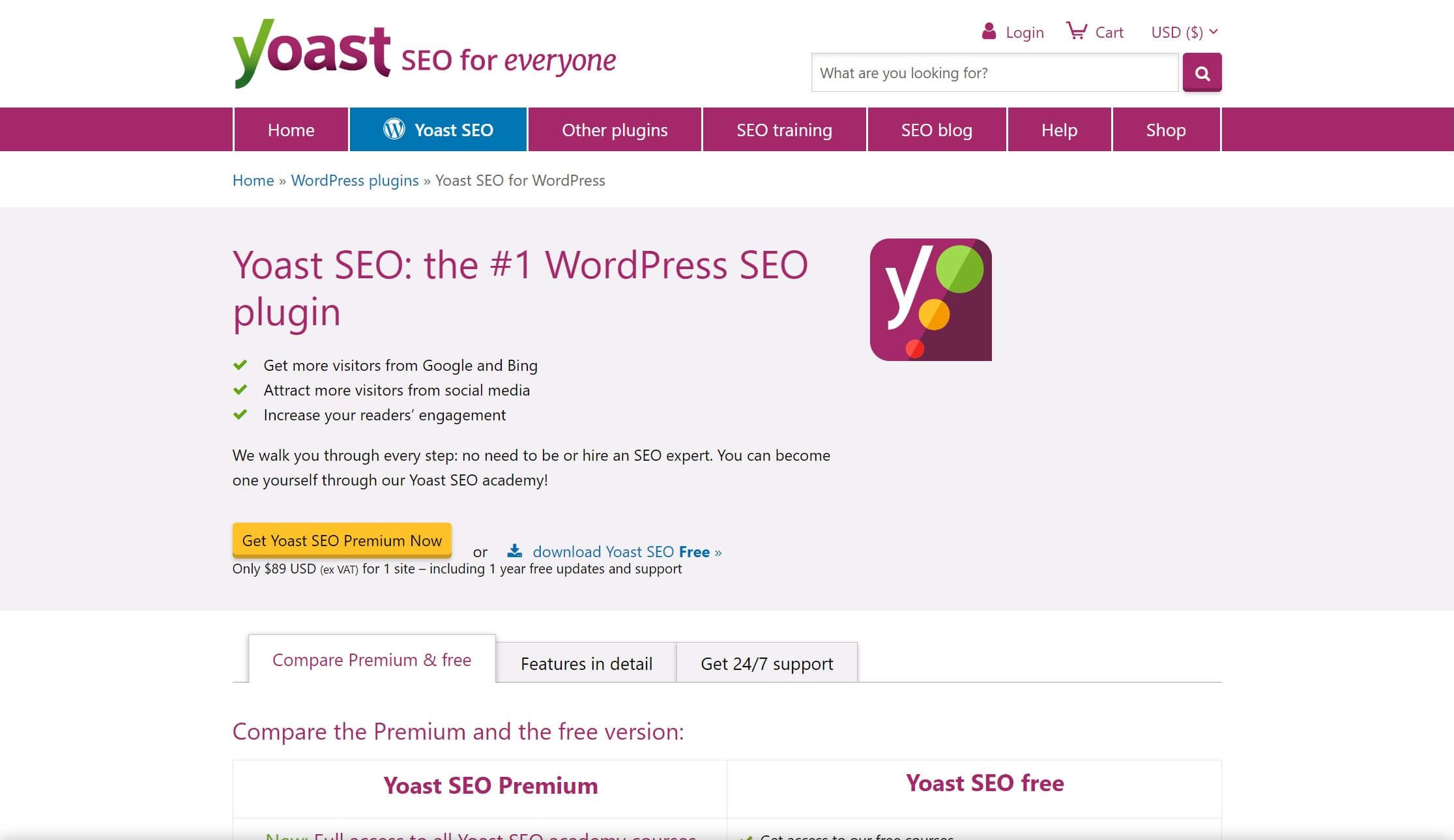
Link your portfolio prominently from your homepage, social media profiles, and email signatures. Use SEO best practices by incorporating relevant keywords naturally into your site content. Consider investing in tools like Yoast SEO to analyze and improve your search rankings.
Choose a memorable domain name and keep URLs concise to enhance recall. Once visitors reach your site, ensure it’s easy to navigate with clear menus, logical categories, and responsive design. Optimize for mobile devices since many users browse on smartphones and tablets. These steps reduce friction, encouraging visitors to explore your work thoroughly and contact you.
4. Organize Your Work into Clear Categories
As your portfolio grows, categorizing your projects helps visitors find relevant examples quickly. Group your work by industry, project type, or design style—whichever makes the most sense for your offerings.
For instance, you might create sections for e-commerce sites, corporate websites, or creative portfolios. Implementing filtering options, like dropdown menus, can further streamline the browsing experience, as seen in the Grain & Mortar portfolio.
However, keep categories manageable; too many can overwhelm visitors and dilute focus. Use your judgment to balance organization with simplicity, ensuring each section adds value without cluttering your site.
5. Include Clear Contact Links to Facilitate Networking
Your portfolio should make it effortless for potential clients to reach out. Place contact information prominently—preferably in the header or footer for constant visibility.
Use multiple contact methods, such as email, phone, and social media, to accommodate different preferences. Incorporate a dedicated contact or quote request page, linking to a simple landing page to streamline inquiries.
Additionally, consider embedding contact forms that are straightforward and user-friendly. This approach encourages communication without requiring clients to navigate complex procedures. Clear, accessible contact options significantly increase your chances of converting visitors into paying clients.
6. Highlight Your Best Work Strategically
Not all projects are created equal. Select your top-performing, most impressive samples to feature prominently in your portfolio. These should exemplify your skills across different niches and showcase your most innovative or technically complex work.
You might also develop detailed case studies for your standout projects, describing your creative process, challenges faced, and solutions implemented. For example, Dogstudio’s case study on the MSI Chicago website demonstrates a comprehensive approach that emphasizes your strategic thinking and execution.
Alternatively, position your most remarkable projects at the top of your portfolio for quick impact. This ensures that even visitors who only spend a few seconds browsing will see your full potential.
7. Provide Context for Each Project
Every project in your portfolio should tell a story. Include brief descriptions explaining the client’s goals, your approach, and what makes the project special. This context helps prospective clients understand your problem-solving skills and design thinking.
Discuss any unique challenges you overcame or specific features you implemented. If you offer ongoing maintenance or support for your websites, mention these services to demonstrate your commitment and reliability.
Sharing insights into your process not only humanizes your work but also reassures clients that you’re transparent and dedicated to quality.
Final Thoughts
An impactful web design portfolio is essential for attracting new clients and establishing your professional reputation. By thoughtfully selecting, organizing, and presenting your work—and supplementing it with testimonials and clear contact options—you create a powerful marketing asset.
Remember to keep your portfolio dynamic, updating it regularly with new projects and insights. For further guidance on managing the full lifecycle of web projects, you might explore resources like guides on navigating the web design process or courses that help aspiring designers expand their skills.
Your portfolio is your digital storefront—make it a compelling reflection of your talent and professionalism.