


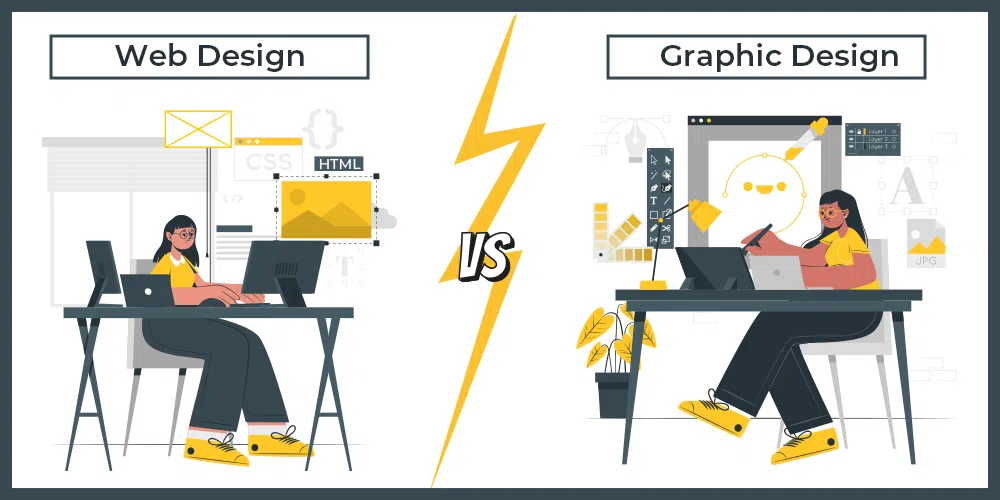
Understanding the nuanced distinctions between web design and graphic design is essential for anyone involved in digital branding, marketing, or user experience. These disciplines, while interconnected, serve different purposes and require unique skill sets. This comprehensive overview explores their core functions, objectives, and how they collaborate to craft compelling digital experiences.
In the realm of digital creation, graphic designers primarily focus on producing visual content such as logos, infographics, social media graphics, and marketing materials. Their work revolves around designing visual elements that communicate a brand’s message effectively across various media, from printed flyers to digital banners. Graphic design aims to capture attention and evoke emotional responses through aesthetics, typography, color schemes, and imagery. It plays a critical role in establishing brand identity and visual consistency across diverse platforms. Whether designing a brochure or a billboard, graphic designers ensure that visual elements align with overall branding strategies.
There are numerous categories within graphic design, each specializing in different visual communication aspects. These include brand identity design, which creates logos and visual styles; marketing and advertising design for promotional campaigns; user interface (UI) design that shapes digital interactions; product packaging; publication layouts; typeface creation; motion graphics; and illustration work. Each category demands specific skills and creative approaches, contributing to a versatile field that impacts almost every aspect of visual communication.
Web design, on the other hand, centers on creating functional websites that are accessible across devices like computers and smartphones. While web designers also work with visuals, typography, and images, their primary goal is to enhance the user experience (UX). They focus on designing websites that are not only visually appealing but also easy to navigate, responsive, and optimized for various screen sizes. Web designers combine aesthetic sensibilities with technical knowledge to develop interfaces that facilitate user engagement and interaction. This includes designing layout structures, interactive elements, and ensuring accessibility standards are met, all while supporting the website’s overall performance.
The scope of web design extends to different approaches, including adaptive, responsive, and e-commerce website designs. Responsive web design, for example, ensures that a site functions seamlessly on devices with varying screen sizes, providing a consistent experience for users. Adaptive design adjusts the layout based on specific device capabilities, while e-commerce web design focuses on creating online stores that maximize sales and user convenience. Web designers often collaborate with developers, requiring familiarity with coding languages like HTML and CSS to turn their designs into live, functioning websites.
The fundamental differences between graphic and web design are evident in their objectives, outputs, and technical requirements. Graphic design is primarily visual and static, emphasizing the aesthetic presentation of messages through images, typography, and layout. It lays the groundwork for branding and marketing efforts, establishing visual identity and conveying messages effectively. Web design, however, emphasizes functionality and user interaction. It involves designing layouts that adapt across devices, optimizing navigation, and integrating interactive features that enhance usability.
While graphic design can involve various physical media such as paper, cloth, or signage, web design outputs are exclusively digital, displayed on screens. This distinction influences the technical skills needed; graphic designers typically do not require coding knowledge, whereas web designers must understand programming languages like HTML and CSS to implement their designs successfully.
In addition to aesthetic considerations, web designers must also factor in search engine optimization (SEO) principles to improve a website’s visibility in search results. They analyze screen resolutions, responsiveness, and user flow to craft layouts that are both attractive and efficient. Conversely, graphic designers focus on creating static compositions that communicate specific messages visually, often using grids or templates but not necessarily accounting for dynamic layout adjustments.
For those interested in exploring the latest trends and influential designers in the field, resources like futuristic UI/UX designers to follow on Twitter offer valuable insights. Additionally, aspiring designers can find inspiration from successful small business websites that demonstrate effective design principles at websites that inspire success. For a deeper understanding of local talent, exploring firms and professionals in regions like Erie, PA, can provide perspective on regional expertise, such as in the article discussing top web designers in Erie.
In conclusion, although web design and graphic design share common tools and creative roots, each discipline fulfills distinct roles within the digital ecosystem. Both are vital for creating compelling, user-centric online platforms. Recognizing their differences enables businesses and designers to collaborate effectively, ensuring that visual appeal and functional excellence work hand in hand to deliver memorable digital experiences.