


The landscape of web design is constantly evolving, making continuous learning essential for anyone looking to stay ahead in this dynamic field. Whether you’re just starting out or aiming to refine your skills, reading insightful, well-crafted books can significantly enhance your understanding and creativity. With so many resources available, choosing the right books can be daunting, but a curated list of the best titles ensures you focus on the most valuable and up-to-date knowledge. This guide introduces you to the top web design books that cover foundational principles, coding techniques, user experience, branding, and business strategies—arming you with the tools needed to craft compelling, effective websites.
A Note About the Web Design Literature
The world of web design books is vast, with thousands of options available through platforms like Amazon and independent bookstores. However, not all are created equal. Many popular titles suffer from various issues—being outdated, poorly written, overly superficial, or merely collections of recycled blog posts. Because reading takes time, effort, and investment, it’s crucial to select resources that are current, comprehensive, and engaging. Outdated techniques or obsolete code snippets can hinder your progress and lead to unnecessary confusion. That’s why our list emphasizes modern, authoritative texts that reflect the latest standards and best practices in web development and design.
Ensuring you learn from reputable sources guarantees your skills remain relevant and effective. For instance, understanding how to build responsive layouts or implement progressive web apps requires up-to-date knowledge, which these books provide. Remember, staying informed about the evolution of web standards helps you deliver websites that are both beautiful and functional.
The Best Web Design Books for All Skill Levels
No single book covers everything you need to master as a web designer or developer. Instead, each title focuses on specific areas—be it coding, UX, branding, or business—that collectively form a comprehensive learning path. Here are some of the most valuable titles, each offering unique insights and practical guidance.
1. The Principles of Beautiful Web Design: Designing Great Web Sites is Not Rocket Science!


An Introduction to Design Fundamentals
Before diving into advanced techniques, it’s essential to grasp the core aesthetics of web design. This book serves as a foundational resource for those new to the field, providing clear explanations of layout, color theory, texture, typography, and imagery. It emphasizes the importance of visual harmony and effective composition—key ingredients for creating engaging websites.
The book is well-illustrated, making complex concepts accessible. Each chapter addresses a fundamental aspect of design, helping you understand how to craft visually appealing pages. The latest edition covers mobile responsiveness, a critical element in today’s multi-device world. If you’re starting your journey in web design, this book offers a solid grounding that will inform all your future work.
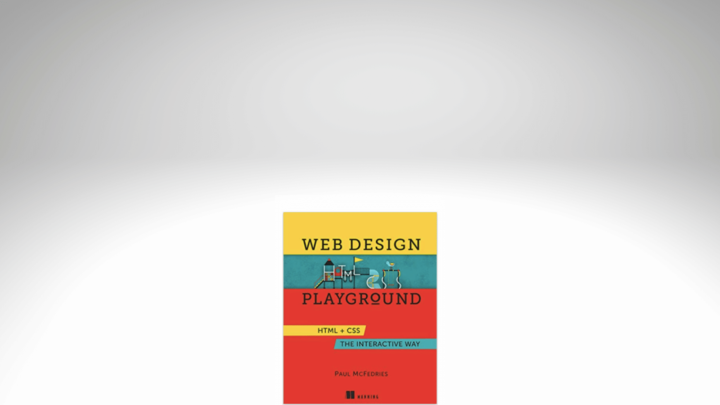
2. Web Design Playground: HTML & CSS the Interactive Way
Master Coding with Practical Exercises
Once you understand the basics of design, translating your vision into code is the next step. This book offers an engaging, hands-on approach to learning HTML and CSS. It features interactive projects that allow you to experiment with code snippets directly, complemented by a companion platform called Web Design Playground.
Throughout the book, you’ll develop tangible skills by building various types of pages—including personal portfolios, landing pages, and galleries. The emphasis on practical application ensures you learn how to create responsive, mobile-friendly layouts that meet current standards. Mastering HTML and CSS is crucial for conforming to web development best practices, making this book a valuable resource for aspiring front-end developers and designers alike.
3. Learning Web Design: A Beginner’s Guide to HTML, CSS, JavaScript, and Web Graphics

Comprehensive Coding and Design Insights
For those seeking a broader understanding of the coding behind web design, this book extends beyond HTML and CSS to include JavaScript and graphics. It covers setting up websites, working with client content, and creating interactive features.
You’ll learn how to structure content, style it effectively, and add dynamic behavior—all essential skills for modern web projects. Plus, the book introduces best practices for image optimization, responsive images, and SVG graphics. Each chapter includes quizzes and examples to reinforce learning, making it a practical reference for both beginners and seasoned developers looking to refresh their knowledge.
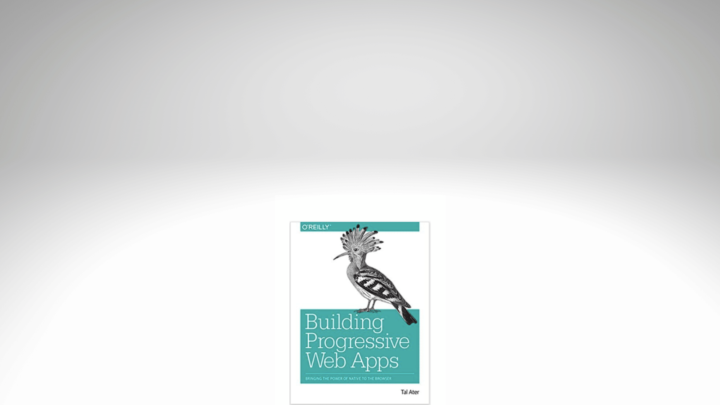
4. Building Progressive Web Apps: Bringing the Power of Native to the Browser
For Mobile-First Developers
Progressive Web Apps (PWAs) are transforming how websites deliver app-like experiences. This book guides developers and designers through the process of creating PWAs that work seamlessly across devices, offering faster load times and offline capabilities.
Learn to implement web manifests, service workers, caching strategies, and browser APIs—skills that enable you to build sites that behave like native apps. With PWAs, you can leverage features like push notifications and geolocation, enhancing user engagement. This resource is ideal for those interested in pushing the boundaries of web functionality and delivering cutting-edge mobile experiences.
5. 6 Practical WordPress Projects

Custom WordPress Development at Its Best
WordPress remains a dominant platform for website creation, and mastering its customization can set you apart. This book walks you through building a variety of projects—from custom themes and plugins to REST API endpoints—using modern techniques like Vue.js.
Even if you’re not yet offering bespoke WordPress solutions, understanding how to manipulate the backend, develop custom features, and streamline workflows will significantly boost your value as a developer. This knowledge enables you to craft unique websites tailored precisely to client needs, justifying higher fees and expanding your service offerings.
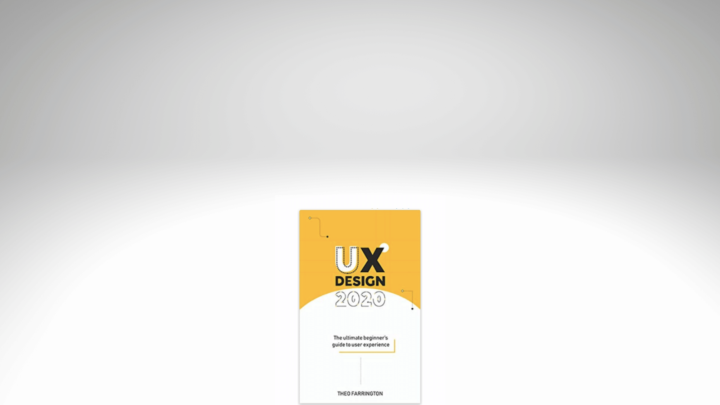
6. UX Design 2020: The Ultimate Beginner’s Guide to User Experience
The Foundations of User-Centered Design
Understanding how users interact with websites is vital for creating effective digital experiences. This book introduces core UX principles, emphasizing usability, accessibility, and user-centered design strategies.
It explores the UX design process, from research to wireframing and testing, enabling you to craft websites that truly serve their audience. Whether you aim to specialize in UX or incorporate its principles into your broader web projects, this book provides practical insights that will elevate your design approach.
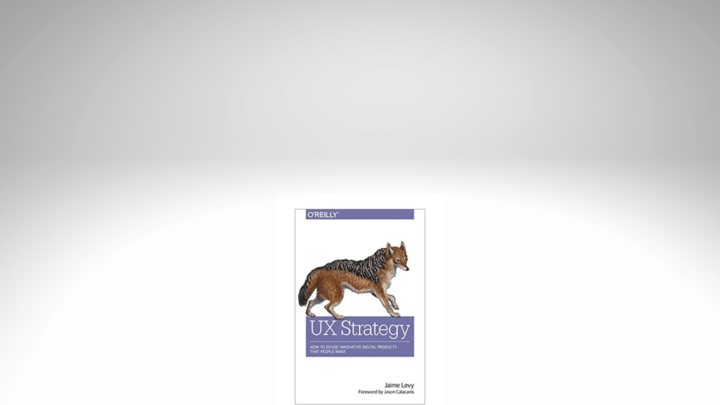
7. UX Strategy: How to Devise Innovative Digital Products that People Want
Developing a Strategic Approach to UX
Moving beyond foundational principles, this book helps you structure your UX work within a strategic framework. It covers techniques like user research, competitive analysis, prototyping, and conversion optimization—crucial for delivering websites that meet business objectives.
By understanding how to validate ideas and design effective prototypes, you’ll be better equipped to create impactful digital products. This approach is especially valuable for freelancers and small teams seeking to differentiate themselves through thoughtful, user-focused design strategies.
8. Color Studies
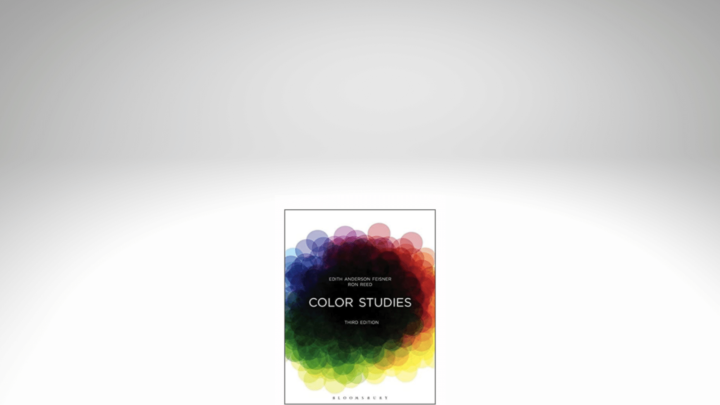
Master Color Theory and Application
Color choice affects user perception and emotional response. This beautifully illustrated book explores color theory, perception, symbolism, and digital color systems—arming you with the knowledge to make informed design decisions.
Understanding how to craft harmonious color schemes and leverage symbolism can elevate your websites from ordinary to extraordinary. Whether working with brand colors or creating new palettes, mastering color is an essential skill for every web designer.
9. Better Web Typography for a Better Web
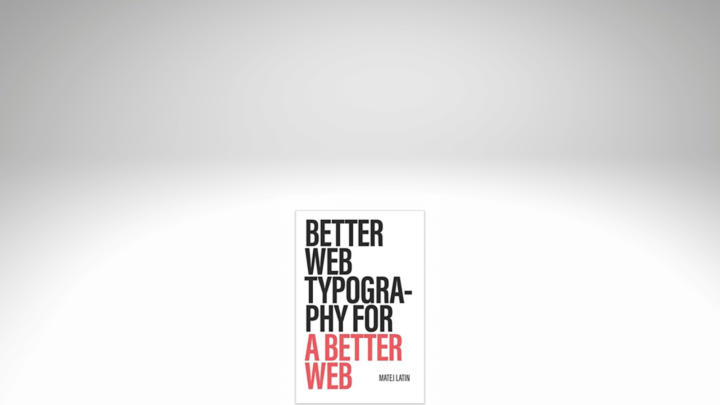
The Art and Science of Typography
Typography greatly influences readability, branding, and aesthetic appeal. This comprehensive guide covers everything from font anatomy and pairing to responsive typography and micro-typography details like ligatures and small caps.
By understanding the nuances of type, you can craft websites that are not only visually appealing but also highly functional. This book transforms typography from an afterthought into a strategic element of your design toolkit.
10. Design Systems
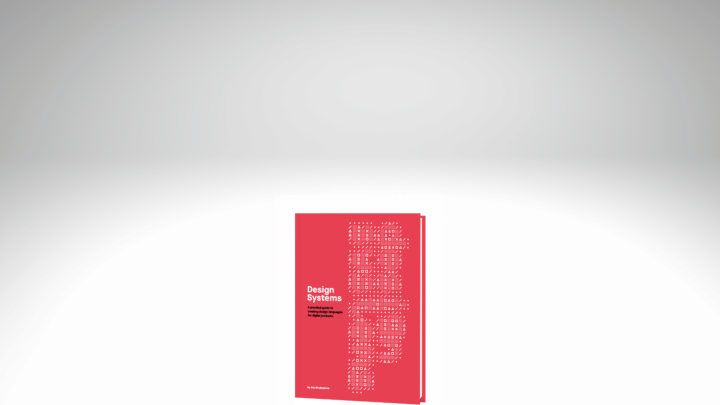
Building Consistent and Scalable Design Frameworks
Design systems unify visual language and components across projects, improving efficiency and consistency. This book guides you through creating reusable components, establishing shared terminology, and maintaining your system over time—skills vital for both solo freelancers and teams.
Implementing a robust design system streamlines development, reduces bloat, and enhances user experience. Mastering this technique transforms your workflow and produces cohesive, professional websites.
11. Kill Your Conversion Killers with The Dexter Method™: A Pragmatic Approach to Conversion Optimization for E-Commerce
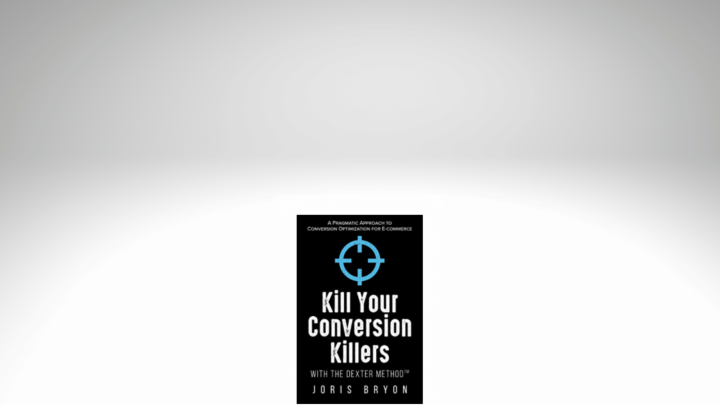
Strategies to Maximize Website Conversions
Optimizing for conversions isn’t limited to e-commerce; it applies to any site aiming to turn visitors into subscribers, clients, or users. This book offers practical tactics, from analyzing site data to running A/B tests, to identify and eliminate conversion barriers.
Implementing these strategies early in your design process ensures your websites are built with conversion in mind from the start, leading to better results and happier clients.
12. Steal Like an Artist: 10 Things Nobody Told You About Being Creative
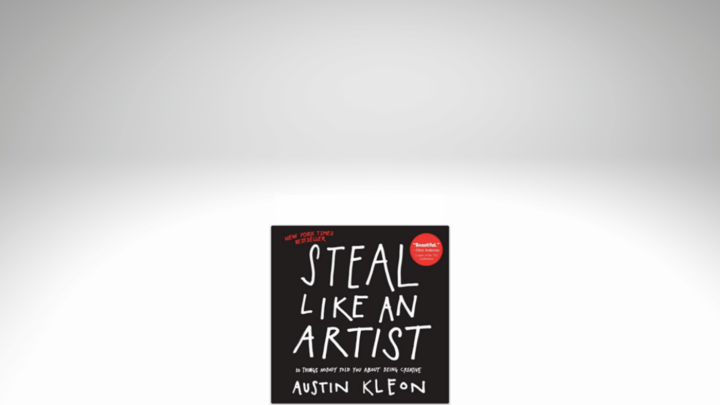
Inspiration and Motivation for Creatives
Creativity fuels web design, but it can also falter. This inspiring book offers ten lessons on fostering originality, overcoming creative blocks, and producing work that excites both you and your audience. Filled with anecdotes, quotes, and visual inspiration, it encourages embracing influence, side projects, and simplicity.
Incorporating these principles will keep your creative spark alive, helping you produce innovative websites that stand out.
13. Keep Going: 10 Ways to Stay Creative in Good Times and Bad
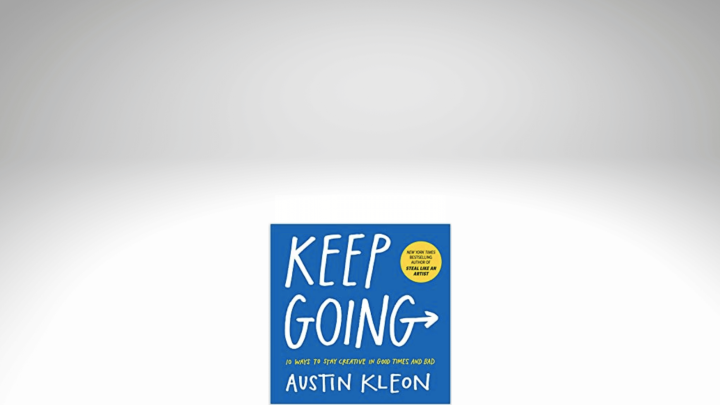
Maintaining Momentum During Challenges
Every creative faces setbacks or periods of low motivation. This book provides strategies to sustain your productivity, develop routines, and find joy in your work—even when inspiration wanes. Whether battling burnout or simply seeking to keep your skills sharp, these insights help you persevere and thrive.
Which of These Titles Should You Start With?
Jumpstarting your web design journey can feel overwhelming, but choosing the right initial resources makes all the difference. The first book, The Principles of Beautiful Web Design, offers a broad overview of essential aesthetics and layout fundamentals—perfect for those new to the craft. Once comfortable with design basics, diving into typography and color theory will deepen your visual skills.
From there, books on coding—like Web Design Playground and Learning Web Design—help translate concepts into technical mastery. For advanced strategies, exploring topics like progressive web apps, UX strategy, and building design systems will elevate your projects.
Remember, continuous learning is the key to staying relevant. As you progress, consider exploring works by industry pioneers such as Jeffrey Zeldman and Ethan Marcotte, whose contributions have shaped modern web standards.
Further Resources
Your education should extend beyond books. The web design field has evolved dramatically, and staying current involves engaging with updated materials and influential experts. Once you’ve covered the essentials, explore works like Designing with Web Standards by Jeffrey Zeldman or Don’t Make Me Think by Steve Krug. These classics remain vital for understanding usability and best practices.
Understanding the history and progression of web design helps you appreciate current standards and anticipate future trends. This perspective enriches your approach and ensures your work remains innovative and compliant.
Starting Your Learning Journey
Avoid the pitfalls of trial-and-error by leveraging expert advice through these carefully selected books. They distill years of experience into actionable insights, saving you time and frustration. Whether you’re aiming to develop a new skill, refine your process, or grow your business, investing in quality resources accelerates your growth.
To begin, I recommend focusing on foundational titles like The Principles of Beautiful Web Design, followed by in-depth coding guides and UX strategies. Building a strong knowledge base allows you to create websites that are not only visually stunning but also highly functional and user-friendly.
Ready to deepen your web design expertise? Dive into these books and start transforming your projects today.