


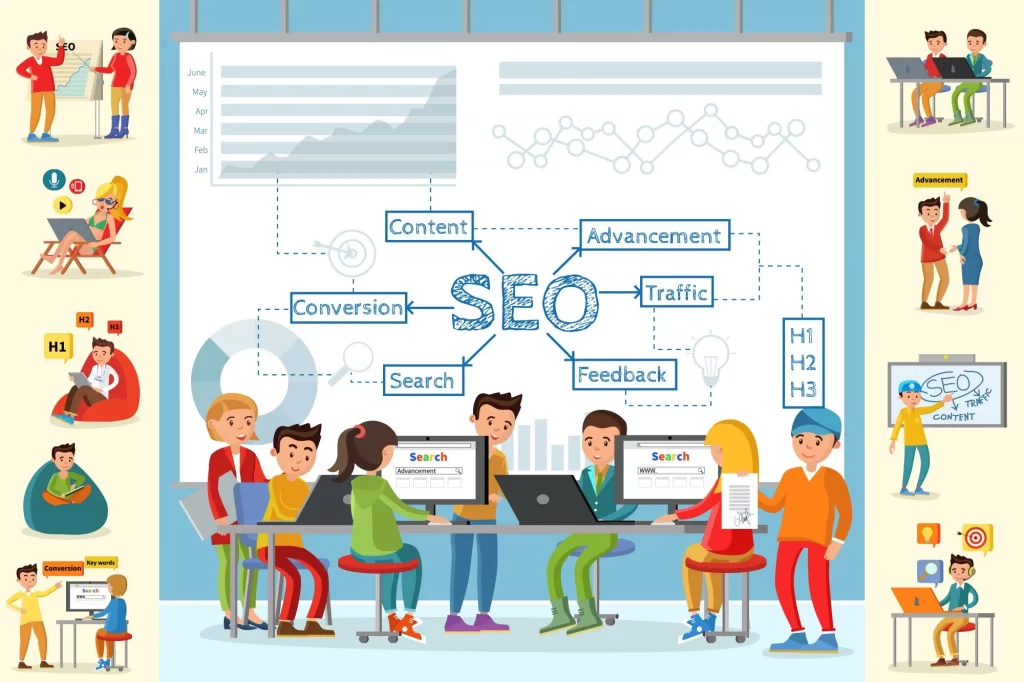
In an era where digital connectivity defines business success, understanding the core principles of web design and SEO is more vital than ever. While these elements are deeply interconnected, many common pitfalls can hinder your website’s performance. Mastering the fundamentals while avoiding typical mistakes can significantly boost your online visibility, user engagement, and conversion rates. This comprehensive guide explores the fundamental principles that bind effective web design with SEO, highlights frequent errors to avoid, and provides insights into leveraging advanced tools and strategies for optimal results in 2025.
Web design and SEO are not isolated disciplines; they are two sides of the same coin. A well-structured, user-friendly website optimized for search engines can elevate your brand and attract targeted traffic. Conversely, neglecting key principles can lead to poor rankings, high bounce rates, and lost opportunities. Whether you’re developing a new site or improving an existing one, understanding these guiding principles will help you create a balanced, high-performing digital presence.
Key Principles Connecting Web Design and SEO
Achieving synergy between web design and SEO begins with establishing foundational principles that support both aesthetics and functionality. These guiding concepts ensure your site is accessible, engaging, and optimized for search engines, ultimately leading to increased visibility and user satisfaction.
SEO-Optimized Website Architecture
A robust website structure is often regarded as the backbone of successful web design and SEO. Just as a sturdy foundation supports a building, an organized architecture ensures your website is easy to navigate, crawlable, and indexable by search engines. Implementing a clear hierarchy with logical categorization helps both users and search engines find content efficiently.
- Logical Site Hierarchy: Organize content into intuitive categories and subcategories, using relevant keywords to enhance discoverability. Incorporate breadcrumb navigation and ensure each page is accessible within three clicks from the homepage, facilitating user experience and crawl efficiency.
- URL Structure Optimization: Use absolute URLs that clearly reflect the page content, avoiding complex or ambiguous links. Proper URL formatting improves both navigation and search engine indexing. Incorporating schema markup and structured data further enhances your site’s relevance in search results.
- Mobile-First Design: Prioritize responsive layouts that adapt seamlessly across devices. Optimizing for mobile involves not only design but also improving page load speeds by compressing images and employing efficient coding practices. A mobile-first approach aligns with Google’s ranking priorities and user expectations.
For a comprehensive understanding of structuring your web project effectively, consider reviewing guidelines on elements to include in a web design brief.
AI and Automation in Web Development
Artificial Intelligence (AI) and automation are revolutionizing how websites are built, managed, and optimized. Integrating AI tools into your workflow can improve accuracy, scalability, and personalization, giving you a competitive edge.
- AI-Powered SEO Tools: Leverage automation for tasks such as content optimization, keyword research, backlink analysis, and SEO audits. Tools like SEMrush and others can streamline these processes, saving time and enhancing results. For instance, AI-driven content generators can assist in creating relevant, engaging material while ensuring SEO best practices.
- Automated Web Design Enhancements: Adaptive layouts respond dynamically to user behavior, providing a personalized experience. Automated A/B testing can rapidly identify the most effective design variations, improving engagement and conversions without extensive manual effort.
Utilizing AI tools not only accelerates development but also ensures your website remains aligned with evolving search engine algorithms and user preferences.
User-Centric Navigation and UI
User experience (UX) and interface (UI) design are central to successful SEO strategies. An intuitive, easy-to-navigate site encourages visitors to stay longer, engage more, and convert.
- Clear Hierarchy and Layout: Design menus and interactive elements that are straightforward and predictable. Use consistent patterns and readable fonts with good contrast to enhance accessibility.
- Minimize Clutter: Embrace the principle that less is often more. Strategic use of whitespace, fewer navigation options, and concise content contribute to a cleaner, more engaging interface.
- Predictability and Simplicity: Users should find their way effortlessly. Well-organized navigation reduces bounce rates and signals search engines that your site offers valuable, accessible content.
Accessibility and Inclusive Design
Inclusivity is both a moral obligation and a ranking factor. Search engines favor websites that are accessible to users with disabilities, often rewarding them with higher placements in search results.
- Best Practices: Incorporate sufficient color contrast, scalable text, multiple content formats, and component-based design. Ensure images include descriptive alt texts, and links are clearly labeled.
- Common Pitfalls: Avoid missing alt texts, overly complex animations, and navigation that relies solely on mouse interactions. These mistakes can alienate users and harm your SEO performance.
Making your website inclusive not only broadens your audience but also aligns with legal standards such as GDPR and ADA compliance.
Common Mistakes in Web Design and SEO to Avoid
Even with a firm grasp of core principles, many websites fall into predictable traps that undermine their effectiveness. Recognizing and avoiding these errors is crucial for maintaining a competitive edge.
Poor Media Optimization
Visual content—images and videos—are the most clicked elements on websites. However, neglecting media optimization can lead to slow load times and poor user experience.
- Size and Format: Compress images to sizes below 55 KB, preferably using modern formats like WebP for faster loading.
- Descriptive Filenames: Use meaningful, SEO-friendly filenames instead of generic ones like “image1.webp,” enhancing discoverability.
- Original Content: Prioritize unique visuals or custom screenshots over stock images to differentiate your site.
- Lazy Loading: Implement techniques that load offscreen media only when needed, reducing initial load times and server stress.
Thin and Duplicate Content
Content quality directly impacts search rankings. Thin content—insufficient or superficial—fails to satisfy user intent, while duplicate content can lead to penalties.
- Thin Content: Avoid pages with minimal information, such as auto-generated or templated content lacking value.
- Duplicate Content: Ensure each page offers unique material. Use canonical tags and regular audits to prevent content duplication issues that can confuse search engines and diminish trust.
Website Security Oversights
Security is a fundamental aspect often overlooked in web development. Failing to protect your site can result in data breaches, loss of customer trust, and SEO penalties.
- SSL Certificates: Always secure your website with HTTPS to encrypt data and boost rankings.
- Strong Passwords and Updates: Use complex passwords and keep software up to date to fend off vulnerabilities.
- Regular Backups: Maintain frequent backups to recover quickly from cyberattacks or technical failures.
- Compliance Measures: Incorporate cookie consent notices and privacy compliance tools to adhere to laws like GDPR and CCPA.
Implementing robust security measures preserves your website’s integrity and reputation.
Final Thoughts: Striking the Right Balance for Success
Achieving a high-performing website in 2025 hinges on integrating essential design principles with robust SEO strategies. No single element can guarantee success; rather, a holistic approach that combines well-structured architecture, AI-driven automation, user-friendly navigation, and inclusive design creates a resilient digital presence.
As AI technology continues to evolve, its role in optimizing web development and security becomes increasingly indispensable. Embracing these tools and strategies will ensure your website remains competitive, responsive, and aligned with the latest industry standards. For further insights into selecting reliable partners, exploring which are the leading digital agencies specializing in web design can provide valuable guidance for your project.