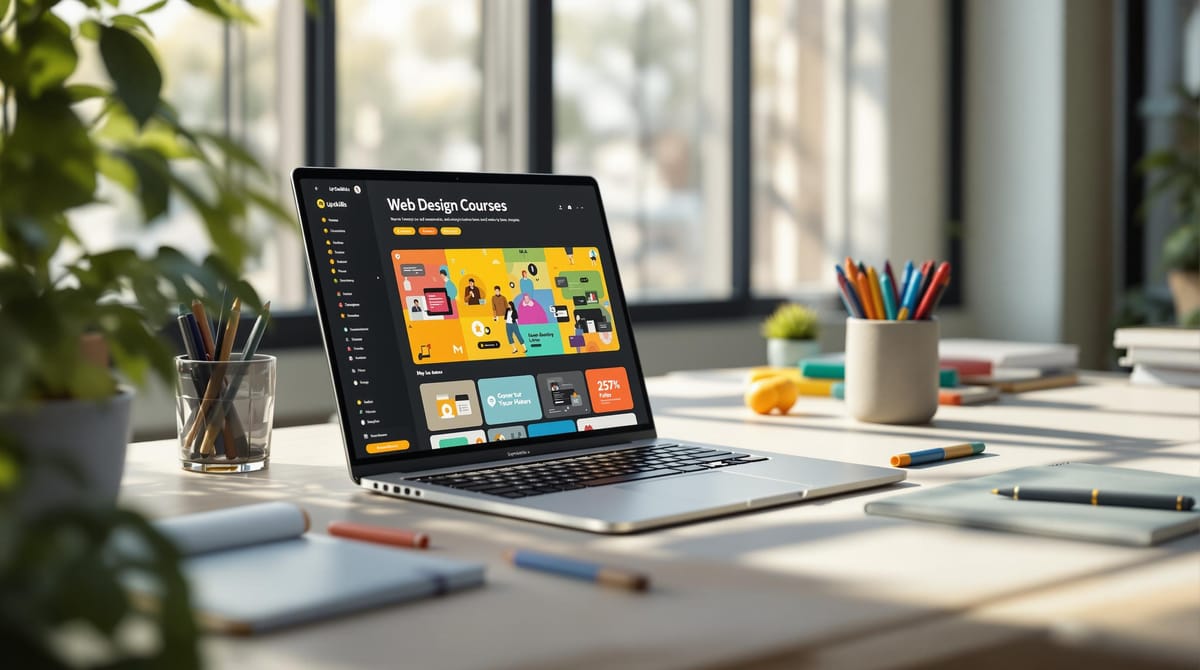
Embarking on a journey to master web design in 2025 requires choosing the right educational resources that are both flexible and comprehensive. As technology evolves rapidly, staying ahead with quality online courses can significantly boost your skills, portfolio, and employability. Whether you’re just starting out or looking to elevate your existing expertise, the right course will equip you with modern tools, best practices, and industry insights necessary for success in today’s competitive digital landscape. This guide highlights some of the best online web design programs available this year, helping you make an informed decision to accelerate your career.
Web design skills are increasingly in demand, with industry projections indicating continuous growth. According to recent employment data, salaries for skilled designers can range from $100,000 to over $130,000 annually, depending on experience and specialization. The field encompasses a broad skill set, from coding basics like HTML and CSS to advanced topics such as accessibility, responsive design, and AI integration. Online courses offer the flexibility to learn at your own pace, making it easier than ever to acquire these skills alongside your existing commitments.
In this guide, you’ll find courses suitable for all levels—from beginners eager to build foundational skills to seasoned professionals seeking advanced techniques. Many programs include hands-on projects, certifications, and career support to enhance your portfolio and job prospects. For example, exploring real-world website examples can provide inspiration and insight; a good resource is these inspiring small business sites, which showcase effective design strategies.
Additionally, improving your design capabilities involves mastering modern tools and techniques. Courses often emphasize learning popular frameworks like Bootstrap, design systems, and prototyping tools such as Figma or Adobe XD. To refine your skills further, consider reviewing tips to become a better web designer, which cover essential best practices and industry standards. Keeping up with evolving standards will ensure your designs are user-friendly, accessible, and scalable, aligning with the latest trends for 2026 and beyond. For comprehensive guidance, look into web design best practices that help you create engaging, high-performing websites.
Below are some of the top online courses to consider for 2025:
Top Web Design Courses for Beginners and Beyond in 2025
How to Choose the Right Web Design Program
Selecting the ideal course involves evaluating several factors: curriculum relevance, project-based learning, certification recognition, cost, and support resources. Ensure the program covers current industry standards, such as responsive and accessible design, and provides opportunities to build a professional portfolio. Support features like mentorship, community forums, and technical assistance can significantly enhance your learning experience. Balance your schedule and budget to find flexible options—whether self-paced, part-time, or intensive bootcamps—that align with your career goals.
1. Upskillist Web Design Program
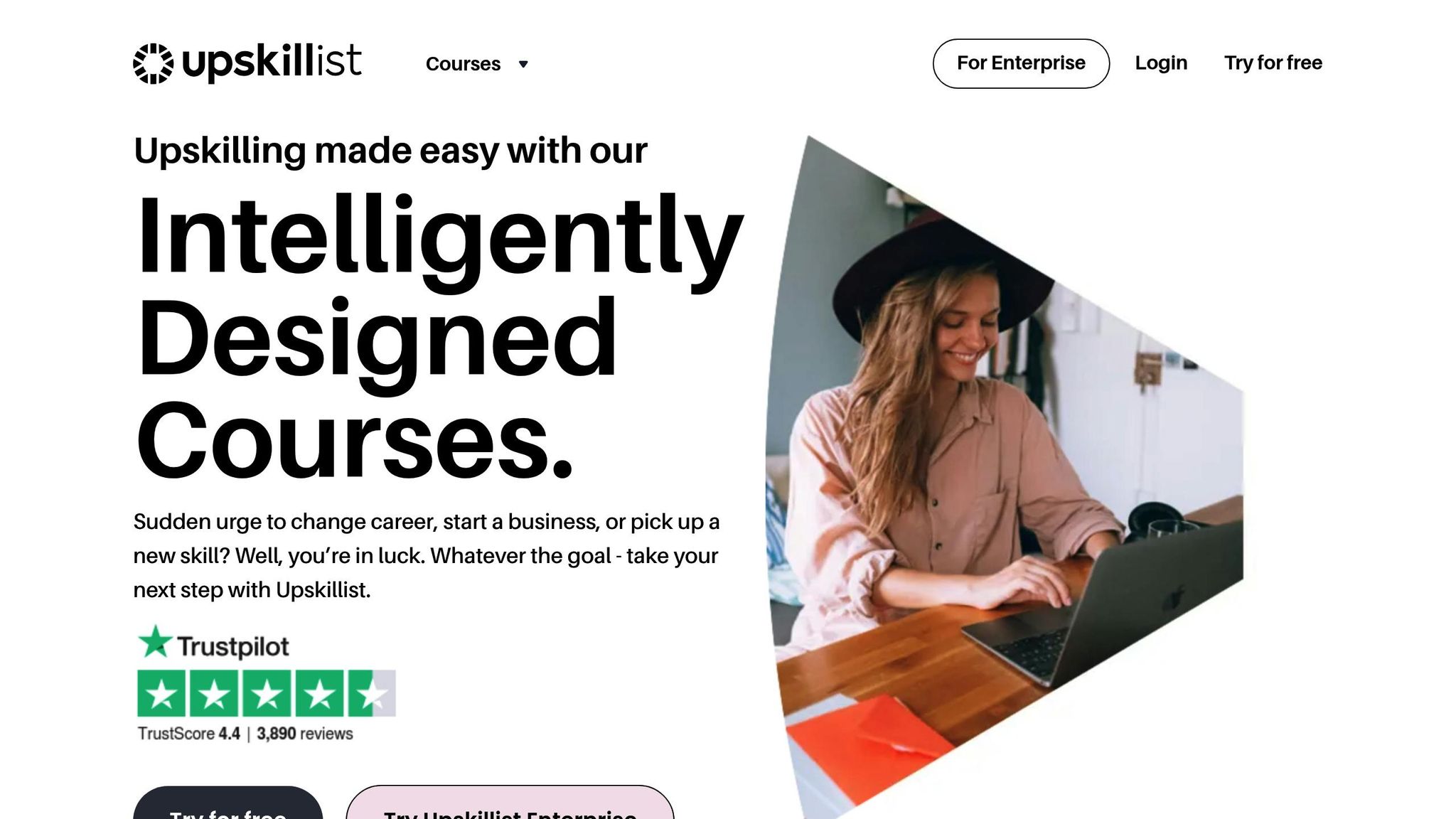
This program combines theoretical knowledge with practical application, making it suitable for both newcomers and those seeking to deepen their web design skills. Its curriculum aligns with current industry standards, ensuring relevance and applicability.
Program Highlights
Upskillist offers flexible scheduling options and lifetime access to course materials. Key features include:
- Interactive online lessons with real-world projects
- Regular assessments to track progress
- AI-powered personalized learning pathways
- Content developed by industry professionals focused on modern design principles
Practical Learning and Career Support
Students can develop a professional portfolio by working on projects that mimic real client needs, gaining valuable feedback along the way. The course emphasizes mastering essential tools, responsive techniques, and user experience fundamentals. Graduates receive a globally recognized certification, boosting their credibility and employability.
Getting Started
New learners can enjoy a 7-day free trial, giving full access to premium features and AI tools, allowing you to explore the course before committing long-term. Whether aiming to switch careers or upgrade your skills, Upskillist provides a comprehensive platform to help you succeed.
2. University of Michigan’s Web Design Specialization on Coursera
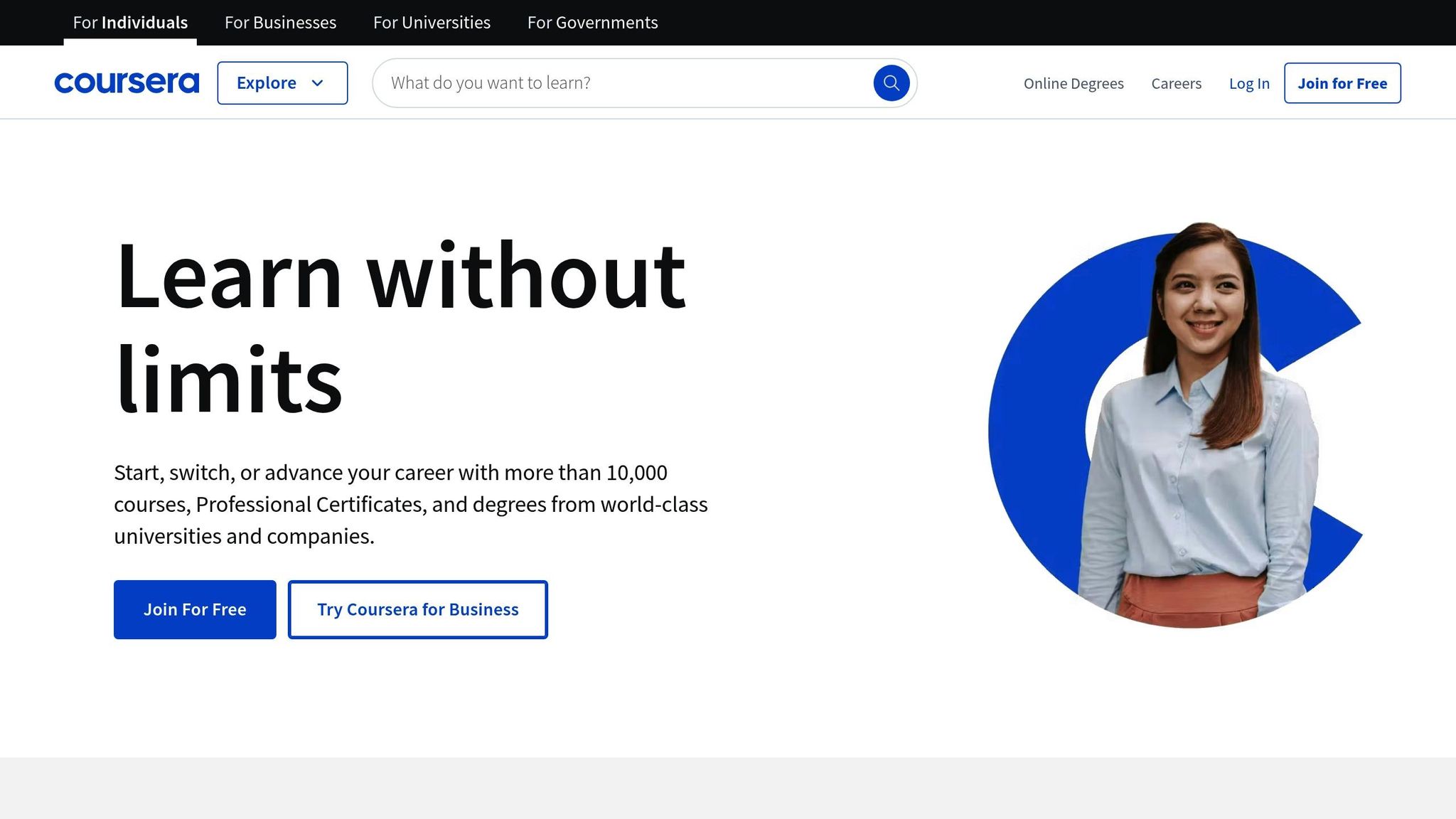
This well-established specialization offers a solid foundation in web development fundamentals. With a large enrollment and high ratings, it remains a popular choice among aspiring web designers.
Program Structure and Content
Spanning approximately two months with around 10 hours of weekly study, the courses are designed for flexible starting points, with new sessions offered monthly. The curriculum covers:
- HTML5, CSS3, and JavaScript fundamentals
- Responsive and mobile-first design techniques
- Bootstrap framework for rapid prototyping
- Accessibility standards and cross-browser compatibility
Practical Applications
The specialization emphasizes hands-on projects that teach you to build interactive websites, improve usability, and implement industry best practices—skills critical for real-world application.
3. UC Irvine’s Web Design Professional Certificate via edX
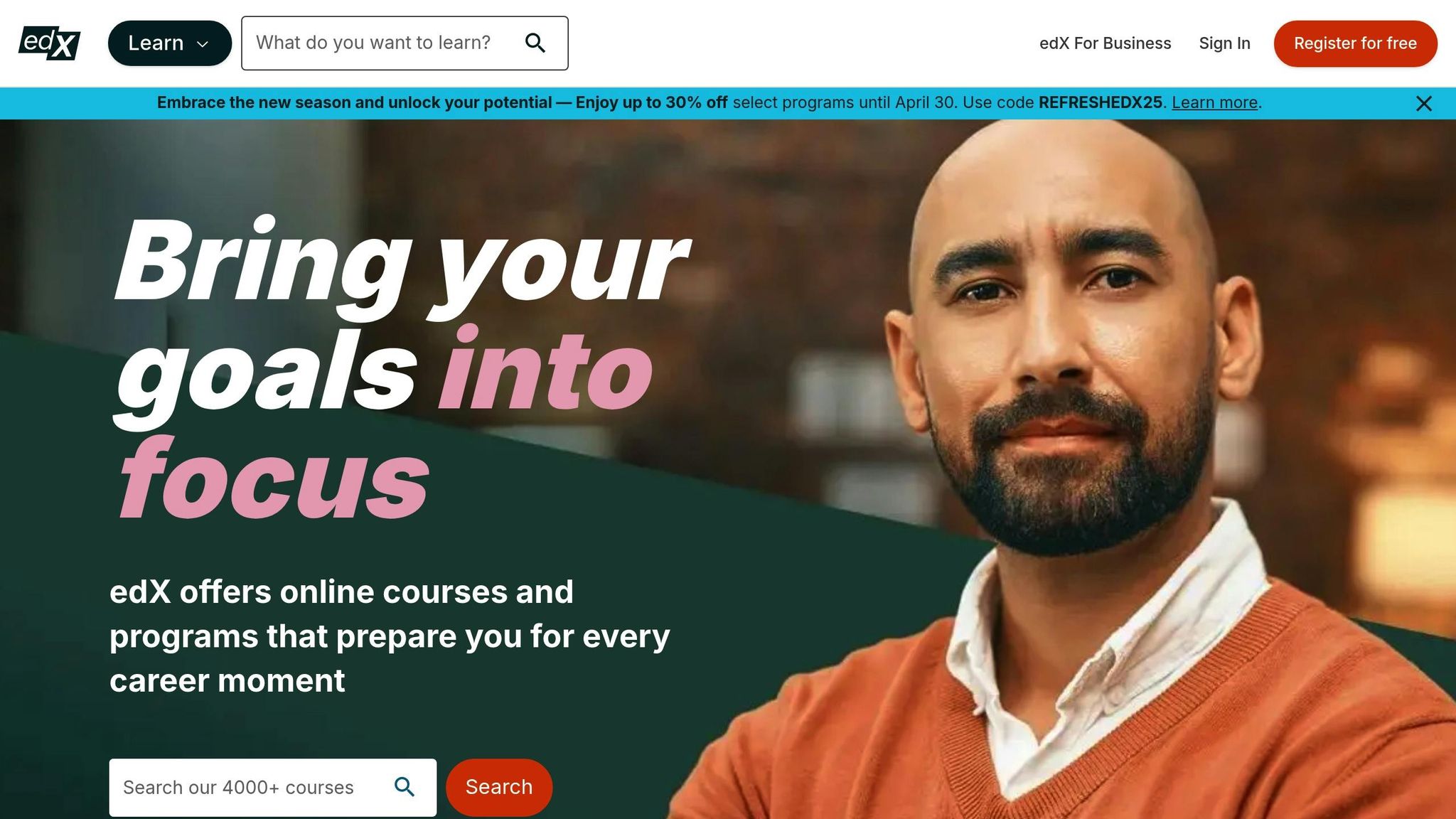
This self-paced program from UC Irvine focuses on equipping students with modern design techniques and strategies for digital projects. It emphasizes practical skills applicable across various industries. Check the edX site for the most current course details and updates.
4. The Web Developer Bootcamp 2025 on Udemy
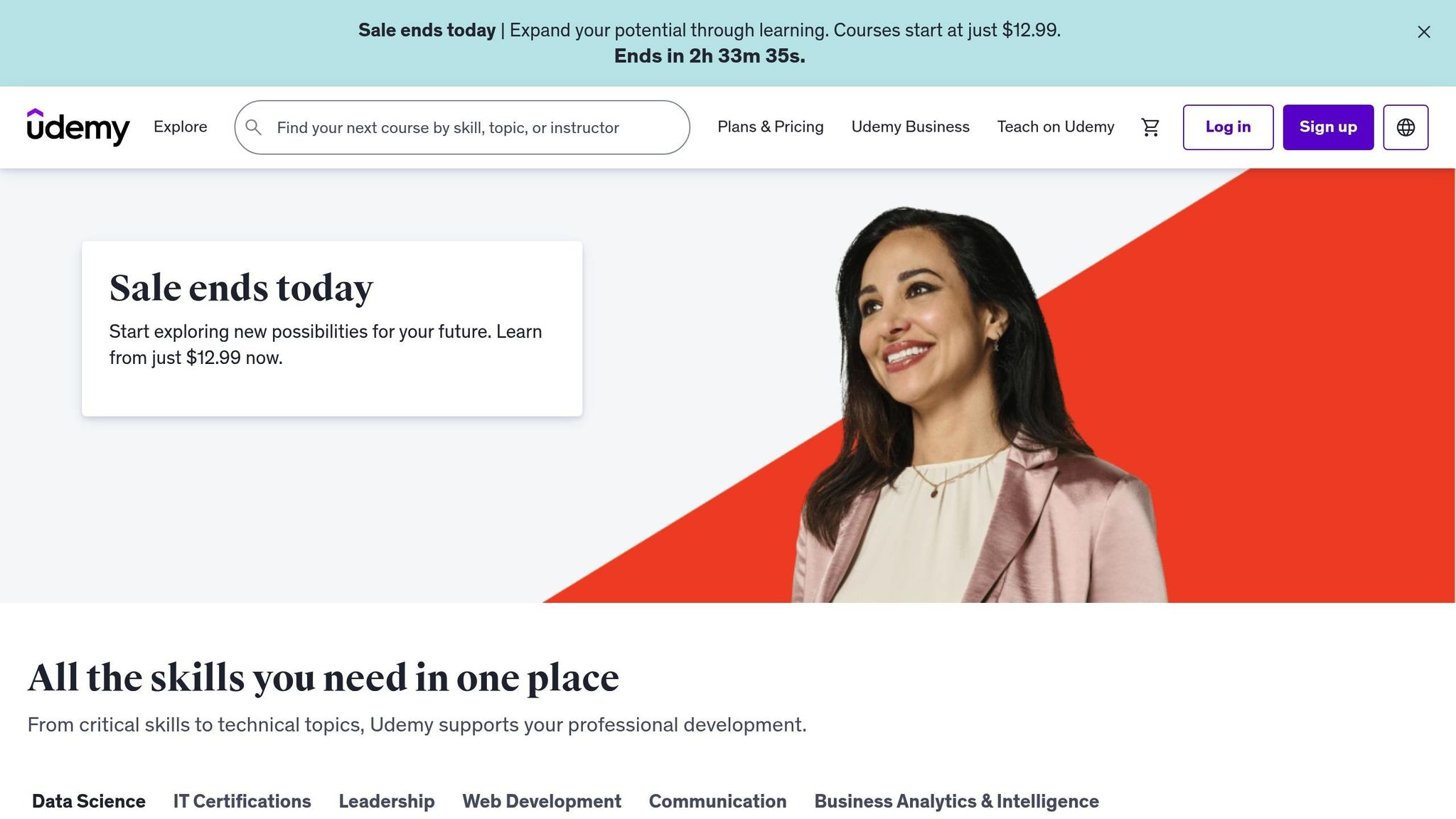
Ideal for beginners, this comprehensive bootcamp is frequently updated to reflect the latest trends. It covers essential front-end and back-end technologies, preparing students for roles at leading tech companies like Google and Amazon.
What You’ll Learn
The curriculum includes:
- HTML5, CSS3, and advanced JavaScript (ES6+)
- React.js and Redux for dynamic interfaces
- Node.js and Express.js for server-side development
- PostgreSQL database management
- Practical projects such as building an image recognition app using machine learning APIs
The instructor emphasizes real-world skills, ensuring you’re job-ready upon completion.
5. Skillshare’s Web Design Fundamentals Course
This project-based class emphasizes hands-on learning through real projects. It features engaging video lessons, resource libraries, and active discussion forums. The platform’s user-friendly interface makes it accessible for beginners and intermediate learners alike. Students can share their work, receive feedback, and stay updated with current design trends. Supportive features like peer reviews and resource sharing make for an interactive, community-driven experience.
6. Treehouse’s Front End Web Development Track
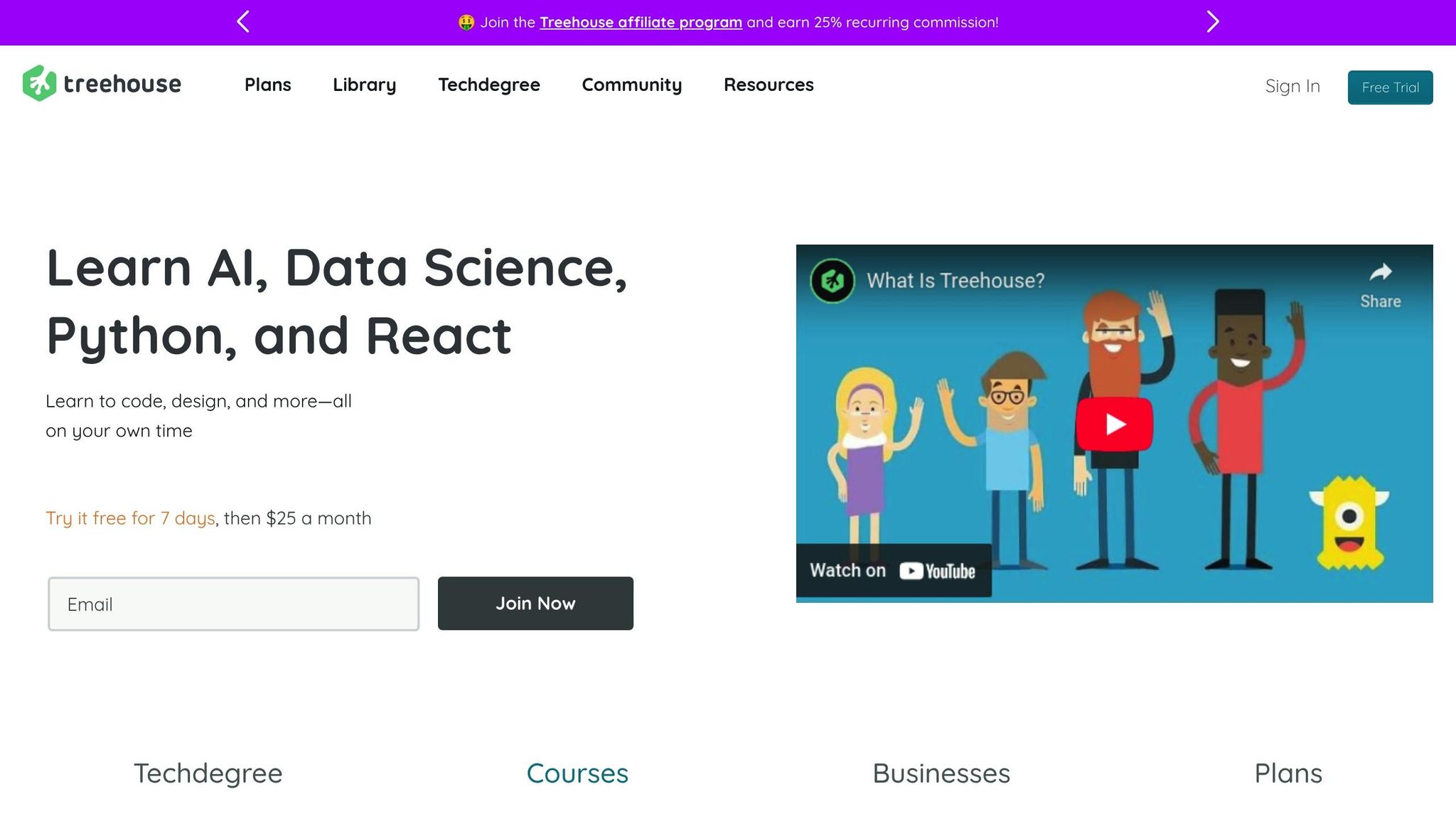
This structured learning path guides you through fundamental and advanced front-end technologies. Starting with HTML and CSS, the program gradually introduces JavaScript, frameworks, and development tools. Each module builds upon previous skills, preparing you for real-world projects and employment opportunities in web development.
7. LinkedIn Learning’s Advanced Web Design Techniques
Designed for experienced designers, this course dives into cutting-edge topics such as CSS Grid, Flexbox, performance optimization, and complex animations. It covers scalable design systems, interactive UI components, and performance strategies like lazy loading and code splitting—skills highly valued by top companies. The course includes practical projects, such as developing a responsive e-commerce dashboard and a custom animated portfolio, to reinforce advanced concepts.
Aligning Your Course Choice with Your Career Goals
Your objectives should drive your selection process. For portfolio building, consider programs like UC Berkeley’s Graphic and Web Design Portfolio. For mastering specific tools, courses focusing on Figma or Adobe XD can be invaluable. Industry-relevant courses that include real projects and mentorship will help you transition into full-time roles or freelance work.
For instance, mastering design tools like Figma can enable you to land high-paying projects, as detailed in various success stories. Focus also on programs that provide certifications and networking opportunities to expand your professional reach.
FAQs About Web Design Education
What prerequisites are needed?
Most programs expect basic computer literacy, familiarity with design principles, and some experience with tools such as Photoshop, Figma, or Adobe XD. Prior coding knowledge in HTML and CSS is beneficial but often not mandatory for beginner courses.
How long does a typical course take?
Duration varies:
| Format | Duration | Weekly Commitment |
|———|————|——————-|
| Full-time bootcamp | 12–14 weeks | 40–50 hours |
| Part-time programs | 6–9 months | 15–20 hours |
| Self-paced courses | 3–6 months | Flexible |
Do certifications help?
Certifications can enhance your resume, especially when complemented by a strong portfolio. Employers value practical skills, real-world experience, and familiarity with current tools over certificates alone.
How do I pick the right level?
Assess your current skills and goals. Beginners should look for foundational courses, while experienced designers might seek advanced topics like performance optimization or design systems.
What career paths are available?
Web design skills open doors to roles such as:
- Web Designer
- Front-End Developer
- UX/UI Designer
- Interaction Designer
- Digital Product Designer
Having coding skills alongside design expertise increases your marketability.
What support can I expect?
Many courses offer mentorship, community forums, portfolio reviews, and career services. Engaging with peers and instructors accelerates learning and opens networking opportunities.
Next Steps: Turning Knowledge into Action
Now that you’re informed about the top online courses, it’s time to evaluate your current skills and define your career trajectory. Consider starting with foundational courses if you’re new, or jumping into more advanced programs if you already have experience. Building a compelling portfolio that showcases your projects is crucial for attracting employers or clients.
Remember, continuous learning and practical application are key. Developing real projects, participating in design communities, and seeking feedback will significantly improve your skills. The web design industry is thriving, with ample opportunities for those equipped with the right knowledge and portfolio.
Begin your journey today, and transform your passion for design into a rewarding career.