Luxury brands have long understood that their online presence must exude sophistication, craftsmanship, and exclusivity. In today’s digital landscape, a website is often the first touchpoint for potential clients to experience a brand’s essence. Crafting an impressive luxury website involves meticulous attention to typography, color schemes, imagery, and user experience—each element carefully curated to reflect high-end quality. This collection of exemplary digital experiences showcases how prestigious brands translate their heritage into compelling online interfaces, setting a standard for elegance and functionality that others aspire to emulate.
Many of these sites demonstrate that luxury web design isn’t just about aesthetics but also about fostering trust and emotional engagement. From fashion houses and watchmakers to automotive and hospitality leaders, the best luxury websites guide visitors seamlessly through immersive journeys that communicate craftsmanship, exclusivity, and timeless appeal. This article explores key principles behind these designs, including layout strategies, typography choices, color psychology, and innovative interactions, providing insights to elevate your own digital projects.
What Defines High-End Website Design
Luxury website design is a specialized discipline dedicated to creating digital experiences for premium brands such as Chanel, Hermès, and Rolex. It combines refined visual hierarchies, bespoke typography, and sophisticated color palettes to evoke notions of exclusivity, tradition, and craftsmanship. Unlike standard websites that prioritize information density and quick conversions, luxury sites emphasize elegance, storytelling, and emotional resonance.
Every pixel is deliberate; nothing appears cluttered or rushed. These sites often feature custom-built elements tailored to their brand identity, ensuring that the online presence aligns perfectly with the quality of their physical products. For example, a Cartier bracelet’s online display demands more than a generic template—it requires a bespoke approach that highlights fine details and craftsmanship. Incorporating these design elements helps brands maintain their prestige and differentiate themselves in a crowded digital marketplace.
Exemplary Luxury Website Designs
Calicanto Luxury Bags
This website exemplifies the power of high-quality imagery and minimalist layouts. It employs ample white space and large product shots that command attention, using subtle animations to enhance user engagement without overwhelming the senses. The typography is elegant and understated, reinforcing the brand’s sophisticated identity. Such sites often utilize custom fonts that elevate the visual hierarchy, making every headline and call-to-action feel exclusive.
How Luxury Website Design Differs from Conventional Sites
While standard websites focus on rapid conversions and straightforward information delivery, luxury sites prioritize immersive experiences that evoke emotion and admiration. This distinction manifests in several ways:
- White space is treated as a design element rather than wasted space.
- Loading animations become branded moments, reinforcing identity.
- Product photography is meticulously curated, often shot by renowned photographers.
- Custom typefaces like Didot and Bodoni are standard, conveying refinement.
- Navigation feels curated, almost like flipping through an editorial magazine.
Brands like Louis Vuitton and Gucci treat their websites as digital flagship stores, mirroring the tactile experience of visiting their boutiques. Understanding the significance of white space, for instance, is crucial in differentiating a premium design from lesser-quality alternatives.
Key Elements That Convey Luxury
Visual Hierarchy and Layout
Luxury websites guide the visitor’s eye through carefully crafted compositions. Oversized imagery, generous margins, and asymmetrical layouts help establish focal points, ensuring that each element commands attention without competing with others. A well-balanced layout directs focus toward key products or messages, creating an intuitive flow that encourages exploration.
Typography Choices
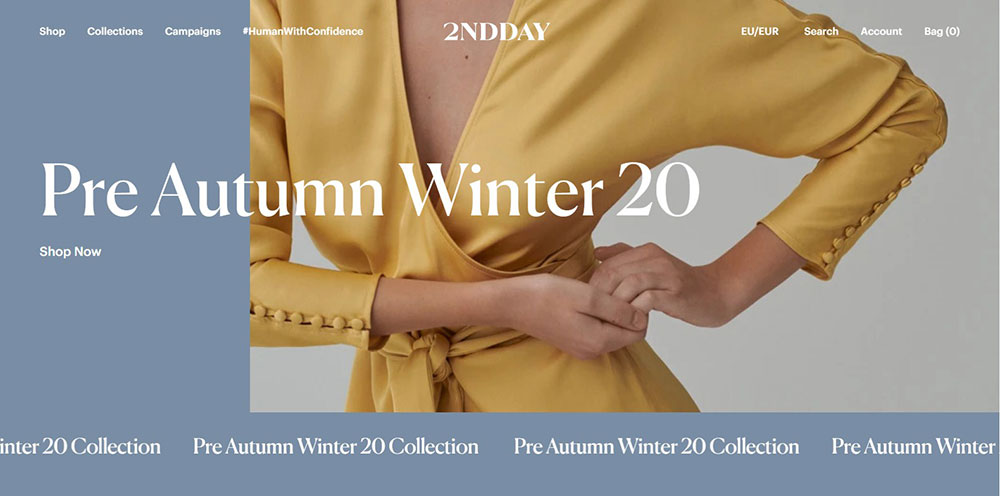
Serif fonts such as Bodoni, Didot, and Garamond dominate the luxury digital space. These typefaces are often customized or proprietary, used by brands like Dior, Prada, and Tiffany & Co. Light weights and wide letter spacing contribute to an overall sense of elegance. Sans-serif fonts, like Futura or Helvetica Neue, serve as supporting characters, handling navigation and supporting copy in a clean, modern manner.
Color Psychology
Restraint is fundamental in luxury branding. The classic palette includes black, white, gold, and deep navy, which evoke sophistication, trust, and exclusivity. Brands like Tiffany & Co. utilize their signature blue, while others incorporate beige or muted earth tones. The strategic use of color reinforces brand identity and signals confidence without visual noise.
Motion and Micro-Interactions
Subtle animations—such as parallax effects, hover states, and cinematic transitions—add layers of refinement. These interactions are deliberate and enhance storytelling, never feeling decorative or distracting. Implementing such effects requires careful selection of animation libraries like GSAP to maintain performance and elegance.
Photography Standards
High-resolution imagery is non-negotiable. Resolution standards often exceed 2000px on the longest edge to facilitate zoom functionalities that highlight craftsmanship details. Background treatments vary from pure white to contextual lifestyle scenes, depending on brand positioning. Lighting and macro photography, especially in jewelry, are crucial to capturing texture and allure.
Typography That Speaks Luxury
Serif typefaces continue to reign supreme in high-end web design. Fonts like Didot and Bodoni are favored for their classic elegance and readability. Many brands also develop proprietary fonts to establish unique visual identities. Light weights and generous spacing signal delicacy, while bold weights can create impactful headlines. Combining serif headlines with sans-serif body text offers a harmonious balance, guiding the viewer’s attention naturally.
Color Palettes of Prestige
Luxury brands tend to limit their palettes to two or three colors, focusing on restraint. Black and white serve as versatile foundations, with accents of gold, navy, or signature colors. For example, Hermès’ iconic orange or Tiffany’s distinctive blue instantly evoke recognition and trust. Neutral backgrounds allow products to stand out, emphasizing quality and craftsmanship through visual simplicity.
Product Photography in Luxury Websites
Images must meet exacting standards. Macro shots and multiple angles provide detailed views that satisfy discerning customers. Backgrounds are carefully selected—white for clarity, lifestyle scenes for aspiration—and lighting is optimized to reveal textures. Advanced formats like WebP ensure images load quickly without sacrificing quality, maintaining an optimal balance between aesthetics and performance.
Loading Experiences as Brand Moments
Loading screens and transitions are opportunities to reinforce brand identity. Logo animations, subtle progress indicators, and skeleton screens help set expectations and create a sense of elegance even during load times. Performance optimization techniques, such as lazy loading and preloading above-the-fold content, ensure rapid initial impressions—crucial in maintaining a premium perception.
Building Trust Through Design
Luxury websites foster trust through storytelling about craftsmanship, heritage, and artisan profiles. Authenticity seals, provenance information, and security badges are integrated subtly to avoid clutter. Physical store locators, appointment booking features, and customer service channels demonstrate accessibility and confidence, making the digital experience feel tangible and trustworthy.
Navigation Patterns for Luxury E-Commerce
Navigation emphasizes browsing over quick search. Mega menus with supporting imagery help showcase product categories elegantly. Brand-specific terminology—like “Timepieces” instead of “Watches”—preserves the premium tone. Minimal sticky headers and discreet search functions contribute to a seamless, refined browsing experience, echoing the ambiance of a boutique.
Mobile Experience in the Luxury Sector
Mobile responsiveness is vital, with design tailored for tactile interactions. Touch targets are enlarged to accommodate comfortable tapping, and gestures like swiping enhance engagement. Streamlined checkout processes, including options like Apple Pay or Google Pay, ensure convenience. Mobile design must preserve the impact of high-quality imagery and typography, maintaining brand integrity across all devices.
FAQs on Luxury Web Design
What elements make a website appear luxurious?
Generous use of white space, refined serif typography such as Didot or Bodoni, restrained color schemes with accents like gold or signature hues, and high-resolution product photography all contribute to a premium appearance.
Which brands exemplify exceptional digital luxury experiences?
Chanel, Hermès, Rolex, and Cartier consistently set high standards. Louis Vuitton’s interactive features, Dior’s cinematic storytelling, and Tiffany’s signature color usage exemplify best practices.
What color schemes are typical for upscale websites?
Black, white, gold, and navy dominate, often complemented by signature brand colors like Hermès orange or Tiffany blue. Limiting the palette enhances elegance and brand recognition.
Which fonts are most common on luxury websites?
Serif typefaces like Didot, Bodoni, and custom fonts are prevalent. Light weights and wide spacing accentuate sophistication, with sans-serif fonts supporting navigation and body copy.
How do premium brands optimize loading times?
They turn loading sequences into brand moments using animated logos and subtle progress indicators, leveraging tools like GSAP. Performance techniques such as lazy loading and optimized images ensure quick content delivery while maintaining visual impact.
How does luxury e-commerce differ from typical online stores?
It emphasizes storytelling, editorial design, and experiential browsing over quick transactions. Navigation uses refined language, and product pages resemble magazine spreads, fostering a sense of exclusivity.
Why is mobile design crucial for luxury brands?
Because a significant portion of affluent consumers browse on mobile devices. Responsive, touch-friendly interfaces, fast-loading images, and simplified checkout are essential to preserve the high-end experience.
What photography standards are essential for luxury websites?
Minimum 2000px resolution for zoom clarity, professional lighting, macro photography for jewelry, and lifestyle imagery that aligns with aspirational branding.
How do luxury sites build customer trust?
Through storytelling, showcasing craftsmanship, providing authenticity guarantees, and offering accessible customer service. Subtle trust signals foster confidence without cluttering the design.
Can small brands create a luxury website look?
Absolutely. Focusing on quality photography, restrained typography, and minimal color use costs nothing. Modern tools like Webflow and Figma enable small teams to craft high-end aesthetics affordably.
Final Thoughts
The essence of luxury web design lies in intentionality and restraint. Brands like Prada, Gucci, and Bentley demonstrate that a premium experience hinges on every detail, from navigation to imagery. The principles are scalable—prioritizing quality, sophisticated typography, and thoughtful use of space—making it accessible to brands of all sizes. As you design or revamp your digital presence, remember that consistency, storytelling, and subtlety are your most powerful tools in conveying exclusivity.
Explore more about how top-tier design firms are influencing digital trends by visiting this resource. Whether you’re aiming for a full website overhaul or just refining your brand’s online identity, these insights serve as a blueprint for crafting experiences that resonate with luxury audiences.