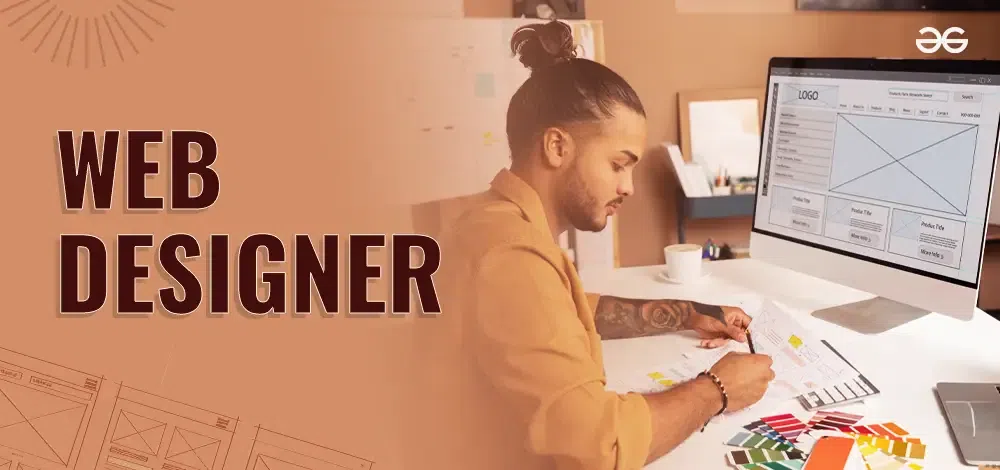
Web design has evolved into a specialized field focusing on crafting visually appealing and user-centric websites. As digital presence becomes increasingly vital for businesses, the demand for skilled web designers continues to grow. This profession blends creativity with technical skills, offering a rewarding career path for those passionate about aesthetics, usability, and innovation. Whether you’re considering entering this domain or seeking to sharpen your expertise, understanding the core responsibilities, essential skills, and earning potential can guide your decision-making. Additionally, staying updated with industry best practices and trends is crucial to remain competitive in this dynamic field.
Web design involves a combination of artistic vision and technical knowledge to produce websites that not only look good but also provide an intuitive user experience. This article delves into what defines a web designer’s role, the skills required to excel, and the typical salary ranges across different regions. Alongside, we will explore how adhering to industry standards and continuously improving your craft can elevate your career prospects. For practical tips on enhancing your design skills, you might find useful strategies in articles such as tips to improve your web design abilities, or learn about current trends by reviewing web design best practices for 2026. Understanding the importance of consistency in design and its impact on user engagement can also be beneficial, as discussed here.
What is a Web Designer?
A web designer is a professional responsible for shaping the visual and interactive elements of a website. Their primary focus is on creating the user interface (UI) and ensuring that the website’s appearance aligns with the brand’s identity and user expectations. Think of a web designer as someone who bridges the gap between graphic design and front-end development, translating visual concepts into functional digital experiences. They concentrate on designing layouts, selecting color schemes, typography, icons, and other visual components that collectively communicate the website’s purpose effectively.
A web designer must possess a keen eye for aesthetics, understanding how design influences user perception and engagement. They also need to be familiar with various design tools such as Adobe Photoshop, Figma, and Sketch to develop prototypes and mockups. Their work must balance creativity with usability, ensuring that the website not only looks attractive but also offers seamless navigation and accessibility. If you want to develop a comprehensive understanding of how to elevate your design skills, exploring ways to become a better web designer can be very insightful.
Web Designer vs. Web Developer
| Web Designer | Web Developer |
|——————|——————-|
| Focuses on visual aesthetics, layout, and user interface design. | Handles the coding, programming, and backend functionality of the website. |
| Uses tools like Figma, Adobe XD, and Photoshop to create mockups. | Writes code in languages like HTML, CSS, JavaScript, Python, or PHP. |
| Responsible for creating wireframes, prototypes, and visual elements. | Ensures website performance, security, and server-side logic. |
While their roles are distinct, collaboration between web designers and developers ensures a cohesive and functional website. Emphasizing best practices in web design, including responsive layout and accessibility, is essential for delivering quality user experiences. To stay ahead, designers should familiarize themselves with current industry standards and techniques.
What Does a Web Designer Do?
A web designer’s core responsibility is to craft websites that combine aesthetic appeal with usability. Their work spans various stages, from initial analysis to final design implementation, all aimed at creating engaging digital experiences. The process typically involves three key phases: analysis, planning, and design.
Phase 1: Analysis
In the initial phase, the web designer assesses the target audience and the website’s purpose. This involves understanding user needs, behaviors, and preferences to tailor the design accordingly. Conducting thorough research helps identify what appeals to the intended visitors and how the site can address their expectations. Defining clear objectives, such as whether the site aims to inform, sell products, or provide services, guides the entire design process. If a UI/UX specialist is involved, they often lead this phase, but web designers should be familiar with these foundational steps to ensure alignment with user needs.
Phase 2: Planning
Planning involves creating a structural blueprint for the website. This includes developing a sitemap that maps out content hierarchy and navigation pathways, ensuring users can easily find information. Organizing content logically and intuitively is key to enhancing user experience. During this stage, wireframes—simple sketches of page layouts—are created to visualize how different elements will be arranged. This planning phase sets the foundation for a smooth transition into the visual and interactive design, emphasizing the importance of clear structure and usability.
Phase 3: Design
The final phase focuses on transforming plans into visually compelling pages. Web designers develop detailed mockups, including color schemes, fonts, images, and interactive components. Wireframes serve as a guide, but visual styles breathe life into the design. Collaborating with frontend developers is crucial to ensure that the static designs translate accurately into functional websites across various devices and browsers. Once the design is finalized, it is handed over for coding and implementation, marking the transition from concept to reality.
For those interested in expanding their skill set, mastering tools like Figma and Adobe XD can be beneficial. Additionally, understanding the fundamentals of effective web design can significantly improve your work.
Skills Required for a Web Designer
Success in web design hinges on a blend of technical proficiency and soft skills. The right skill set enables designers to create engaging, accessible, and high-performing websites.
Technical Skills
- Design Tools: Mastery of software such as Adobe Photoshop, Illustrator, Figma, and Sketch for creating mockups and prototypes.
- Responsive Design: Ability to craft layouts that adapt seamlessly to different devices and screen sizes, ensuring optimal user experience everywhere.
- Front-End Technologies: Basic knowledge of HTML, CSS, and JavaScript to communicate effectively with developers and understand implementation constraints.
- User Research and Testing: Skills in conducting user testing, gathering feedback, and iterating designs based on real-world interactions.
- Typography and Color Theory: Understanding how fonts and colors influence readability, mood, and user engagement.
- Design Systems and Consistency: Ensuring visual elements are cohesive across pages, enhancing professionalism and user trust. For a comprehensive look at maintaining visual harmony, check out design consistency principles.
Soft Skills
- Effective Communication: Articulating design ideas clearly and listening to stakeholder feedback.
- Team Collaboration: Working seamlessly with developers, marketers, and other departments to realize a unified vision.
- Empathy for Users: Understanding user frustrations and needs to create accessible and intuitive interfaces.
- Time Management: Balancing multiple projects and meeting deadlines without compromising quality.
- Creative Problem Solving: Addressing design challenges innovatively and efficiently.
- Continuous Learning: Keeping abreast of emerging trends, tools, and best practices to stay competitive.
Roles and Responsibilities of a Web Designer
Web designers carry out a diverse array of tasks to ensure the success of digital projects. Their responsibilities include:
Research and Analysis
- Conduct thorough research to understand the target audience and market trends.
- Prepare guidelines for user research and present findings to stakeholders.
- Use insights to inform design choices that align with marketing and branding strategies.
Wireframes and Prototypes
- Develop wireframes to sketch basic layouts and prototypes for interactive testing.
- Use tools like Figma and Adobe XD to create these mockups.
- Ensure these representations clearly communicate the website’s structure and functionality to developers and clients.
UI/UX and Graphic Design
- Design the website’s visual interface to be attractive, accessible, and easy to navigate.
- Create visual assets such as logos, icons, and images, ensuring consistency with branding.
- Focus on usability and aesthetic appeal to enhance user satisfaction.
Performance Measurement and Enhancement
- Monitor how users interact with the website, gathering data on usability.
- Make iterative improvements based on feedback and analytics.
- Incorporate best practices to optimize load times, responsiveness, and accessibility.
Collaboration
- Work closely with marketing, development, and content teams to ensure design alignment with business goals.
- Maintain open communication channels for feedback and revisions.
- Foster a team environment that promotes innovation and quality.
Staying Updated
- Keep pace with evolving design trends, tools, and standards.
- Experiment with new techniques to keep designs fresh and effective.
- Engage with industry communities and resources to continually refine skills.
Salary Range for Web Designers
The earning potential for web designers varies significantly based on experience, location, industry, and skill level. Entry-level designers typically earn between $50,000 and $80,000 annually in many regions. Skilled professionals with expertise in user experience (UX) and user interface (UI) design can command higher salaries, especially in competitive markets.
In countries like India, salaries tend to be comparatively lower, with averages around ₹300,000 to ₹700,000 per year. However, as the demand for digital services expands and companies recognize the value of quality web design, compensation packages are gradually increasing, particularly in metropolitan hubs such as Bangalore, Mumbai, and Delhi. For an in-depth overview of salary trends and career growth, exploring industry salary reports can provide valuable insights.
Conclusion
A career as a web designer offers numerous perks, including creative freedom, job flexibility, and attractive compensation. While the role involves a wide range of responsibilities—from analyzing user needs to crafting visually stunning interfaces—it requires a solid foundation in both design principles and technical skills. If you have a passion for aesthetics, problem-solving, and user experience, web design can be a fulfilling career path. Remember to continually refine your skills, stay updated with industry standards, and align your passions with market demands. By doing so, you can build a successful and rewarding journey in the vibrant world of web design.