Web design is an ever-evolving discipline driven by technological advancements, societal shifts, and changing user expectations. As we look toward 2025, it becomes clear that innovation, experimentation, and a user-centric approach will define the next wave of website development. In this landscape, aesthetics, functionality, and effective visual communication will continue to converge, creating more engaging and personalized digital experiences. With AI’s ongoing influence, designers are pushing boundaries to craft interfaces that are not only visually appealing but also highly adaptive and intuitive. As the industry shifts, staying ahead requires understanding these emerging trends that will shape the future of web design.
Web Design Trends for 2025
The trajectory of web design is characterized by continuous transformation, with 2024 focusing on aesthetic predictions and styles. Meanwhile, 2025 promises a year marked by bold innovations and experimental approaches. Artificial intelligence (AI) remains a cornerstone, significantly influencing how websites are created and experienced.
The digital landscape is undergoing constant metamorphosis, with a persistent focus on enhancing user experience (UX). Although the core principles remain—prioritizing ease of use and accessibility—designers are increasingly blending functionality with unconventional visual effects. The upcoming months will see the convergence of minimalist aesthetics with daring typographic and interactive elements, fostering a dynamic visual environment.
Furthermore, the integration of AI and machine learning (ML) is revolutionizing web design. These technologies facilitate real-time analysis of user behavior, enabling personalized recommendations, predictive analytics, and automated content management. Such innovations not only improve engagement but also streamline the development process, making websites more intelligent and user-responsive. For a comprehensive guide on implementing these processes, see mastering the web design journey from concept to launch.
While some trends from previous years persist—such as gradients, retro styles, and vibrant color schemes—2025 introduces fresh concepts that will redefine digital interfaces.
- Integration of Artificial Intelligence and Chatbots
- Minimalism and White Space
- Interactivity and Movement
- Large Headlines and Typography
- Designer Chaos That Makes Sense
- Dark Mode and Monochrome
- Ecological Web Design
- Conclusion
Integration of Artificial Intelligence and Chatbots
In 2025, AI will continue to transform the web design landscape. Advanced AI-driven tools will analyze user behavior, preferences, and emerging design trends to facilitate the creation of websites that are both visually compelling and highly functional. These technologies enable designers to automate tasks such as layout generation, color palette selection, typography choices, and even content recommendations, leading to more personalized and engaging user experiences.
AI-powered chatbots will become even more sophisticated, providing real-time, tailored interactions that enhance customer service and user satisfaction. This seamless communication not only elevates the usability of websites but also offers innovative solutions in data analysis and content personalization. As a result, websites will become more intuitive, responsive, and capable of adapting to individual user needs. For businesses seeking to establish a strong online presence, exploring affordable and professional web design solutions in Orlando can be a strategic move to leverage these advancements.
Minimalism and White Space
The minimalist design trend continues to gain momentum, evolving into a more refined and intentional approach. Modern minimalism emphasizes clean lines, carefully curated elements, and a balanced composition that enhances user experience. White space, far from being mere background, becomes an active component that guides attention and allows content to breathe.
Designers are rediscovering the significance of empty space as a tool for creating harmony and focus. Well-placed white space reduces cognitive load, making websites more accessible and easier to navigate. Contemporary minimalist websites often incorporate subtle gradients, restrained color accents, and a clear hierarchy of information, which not only improves aesthetics but also enhances communication efficiency.
This approach is especially effective for high-end brands and interior design portfolios, where elegance and clarity are paramount. To see examples of effective use of white space, refer to this inspiring image:  .
.
Interactivity and Movement
Websites in 2025 are characterized by subtle, purposeful animations that enhance user engagement without overwhelming the interface. Microinteractions—small, targeted responses to user actions—add a layer of intuitiveness, such as buttons that gently pulse on hover or smooth menu transitions that guide navigation seamlessly.
Parallax scrolling continues to evolve, with multi-layered animations creating depth and a sense of three-dimensionality. Elements respond dynamically to user scrolling, adding visual interest while maintaining clarity. Animations are increasingly integrated into UX/UI design as functional elements rather than mere decoration—facilitating better understanding of content through smooth transitions, animated infographics, and subtle transformations.
The key to successful movement in web design is moderation; dynamic elements should support the content and user journey, not distract from it. This trend works well across various website types, from corporate to creative portfolios. See examples here:  .
.
Large Headlines and Typography
Typography is becoming a dominant expressive tool in web design. Bold, oversized headlines are used to capture attention immediately, transforming text into a visual art form that conveys personality and emotion. Creative typography adds character and distinguishes brand identity, especially when paired with subtle animations or full-page headers that dominate the visual hierarchy.
Fonts are now more diverse, with designers experimenting with contrasting serif and sans-serif combinations to establish clear content hierarchies. Unconventional text layouts—while maintaining readability—are increasingly popular, allowing for bold visual statements that resonate with creative industries like marketing, art, and design.
Full-screen headers, often animated, create memorable introductions and set the tone for the entire site. Typography is no longer just about conveying information but about evoking feelings and building brand personality. For inspiring examples, explore: 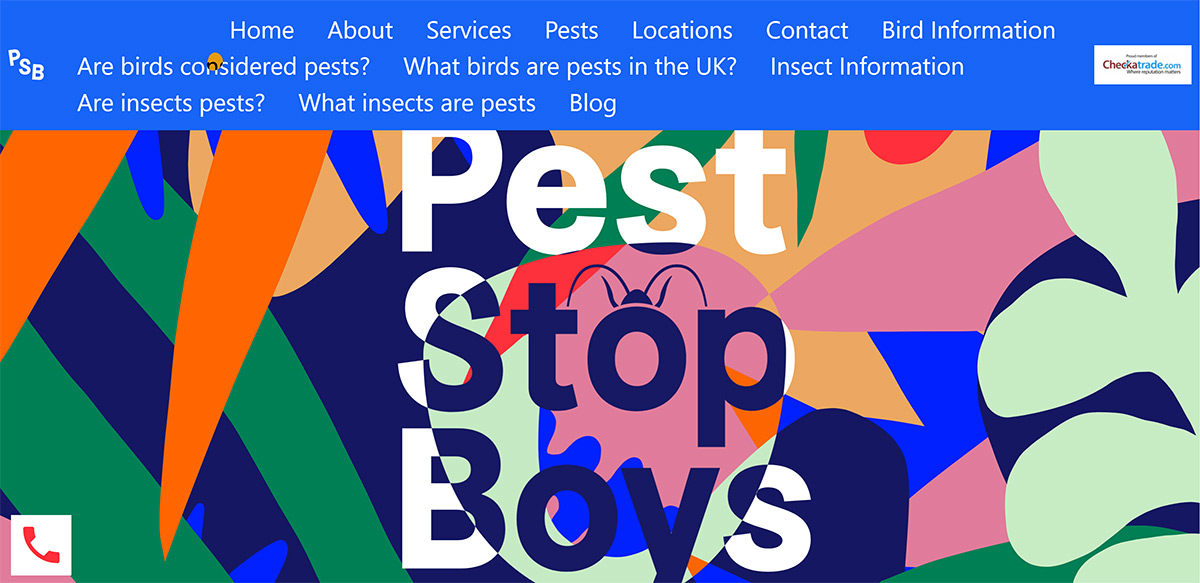 .
.
Designer Chaos That Makes Sense
Asymmetry and unconventional arrangements are gaining prominence, challenging traditional grid-based layouts. In 2025, websites will often feature overlapping elements, shifted text blocks, and unpredictable proportions—all crafted with a deliberate sense of controlled chaos.
This approach breaks the monotony of predictable designs, creating more engaging and visually stimulating experiences. Despite the apparent disorder, every element is intentionally placed to serve a specific purpose, balancing creativity with usability. These designs often combine spacious, minimalist backgrounds with bold visual accents, resulting in sites that are both surprising and intuitive.
This trend is particularly effective for fashion brands, artists, and creative agencies seeking to stand out. It emphasizes the importance of visual experimentation within a structured framework. See visual examples here:  .
.
Dark Mode and Monochrome
Dark mode has transitioned from niche feature to standard interface option, appreciated for its user comfort and energy efficiency. Switching between light and dark themes is now a common practice, often tailored to user preferences or ambient lighting conditions. Dark interfaces typically utilize deep shades of gray, navy, or purple rather than pure black, adding sophistication and reducing eye strain.
The use of monochromatic color schemes is also trending, with websites adopting single-color palettes varying in saturation. For instance, a site may employ shades from dark purple to near-white, creating a cohesive and immersive visual experience. These approaches promote mood-setting and reinforce brand identity through carefully curated color choices.
This customization enhances accessibility and aligns with modern aesthetic sensibilities. For a visual reference, see:  .
.
Ecological Web Design
Environmental responsibility is increasingly influencing web development. In 2025, eco-friendly web design will emphasize creating low-energy, sustainable websites that minimize carbon footprints. Techniques include optimizing code for efficiency, reducing server load, and designing for universal device compatibility.
Eco-conscious websites not only support sustainability goals but also bolster brand reputation by demonstrating environmental commitment. This approach aligns with broader societal values and appeals to eco-aware consumers. Incorporating green principles into web design is a step toward more responsible digital practices. Discover more about sustainable web development at D-FSL’s blog.
Conclusion
The landscape of web design in 2025 is characterized by an evolution of established principles, infused with innovative ideas that prioritize user experience and sustainability. Rather than revolutionary upheavals, we see a maturation of trends like minimalism, dynamic movement, and bold typography, all enhanced by AI-driven personalization. Designers are increasingly blending different styles—such as controlled chaos with clean minimalism—to create websites that are both functional and visually compelling.
The most successful websites will be those that integrate diverse trends thoughtfully, tailoring them to specific goals and audience needs. Responsive design continues to improve, ensuring seamless experiences across devices, while experimental layouts and color schemes inject fresh energy into the industry. Ultimately, effective web design in 2025 hinges on the skillful combination of innovation, usability, and a keen understanding of user preferences, making the digital world more engaging and responsible.