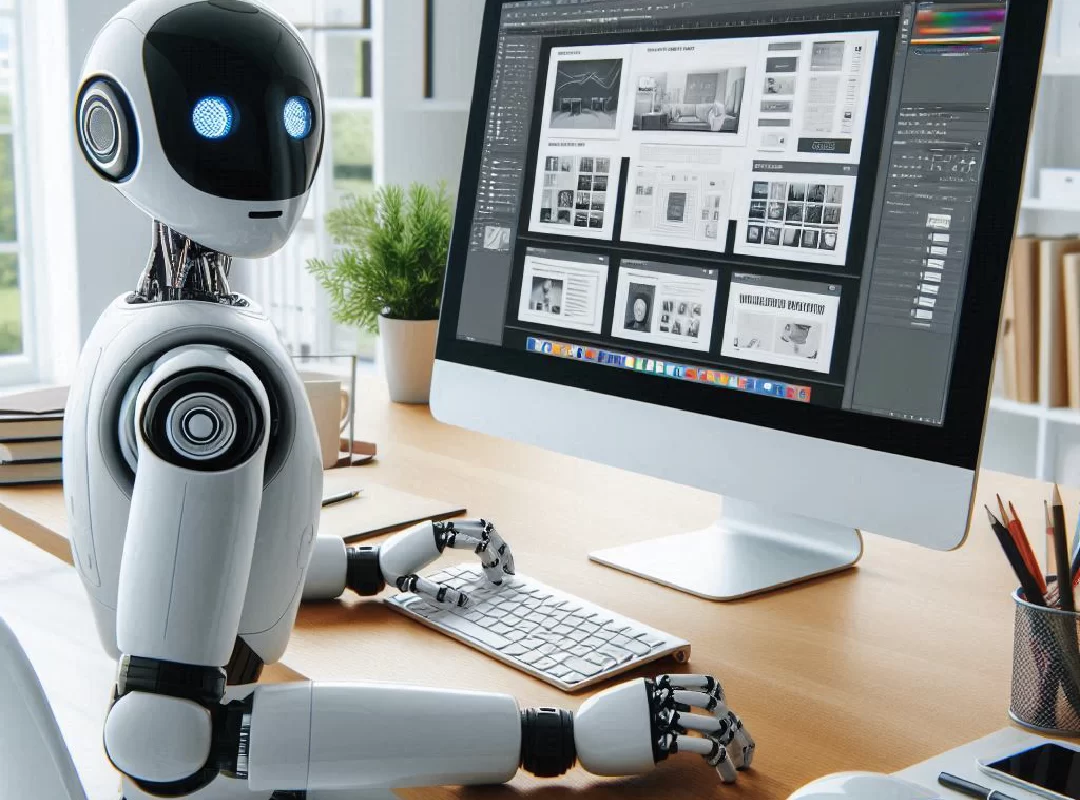
The landscape of website creation is evolving rapidly, driven by the integration of artificial intelligence (AI). As technology advances, AI tools are revolutionizing how web designers and agencies approach each project, making processes faster, more personalized, and highly efficient. For business owners, developers, and digital strategists alike, understanding AI’s influence on web design is crucial to maintaining a competitive edge in an increasingly digital world.
Artificial intelligence is no longer a distant concept confined to science fiction; it is actively shaping the way websites are built, optimized, and experienced. From automating routine tasks to delivering tailored user interactions, AI is opening new horizons for website development and management. This transformation emphasizes the importance of blending human creativity with machine intelligence, especially when designing websites that are both visually appealing and highly functional.
In this article, we delve into the various ways AI impacts web design, explore its benefits and challenges, and discuss why partnering with a forward-thinking agency can help you harness this powerful technology effectively.
The Role AI Has In Modern Web Design
AI is now a key player in shaping the future of website development, influencing everything from layout creation to user engagement strategies. Its ability to analyze vast amounts of data and generate insights allows designers to craft more effective and engaging websites.
How Artificial Intelligence Is Making A Difference In Website Design
1. Powered Design Tools
Modern AI-driven platforms utilize machine learning algorithms to analyze content and automatically generate visually appealing layouts. These tools significantly reduce the time required to develop a website, enabling businesses to launch their online presence swiftly. Nonetheless, a dedicated web design agency will ensure a tailored approach, as AI alone cannot replicate the nuance and creativity that human designers bring to the table.
2. Enhanced User Experience (UX)
Artificial intelligence personalizes user journeys by analyzing visitor behavior, preferences, and interactions. Features like chatbots, AI-powered recommendations, and adaptive interfaces create more engaging and intuitive experiences. For example, many local web design companies leverage AI to craft user-centric websites that resonate with regional audiences, such as those in London, by delivering relevant content instantly.
3. Smart SEO and Content Optimization
AI tools assist in optimizing website content by analyzing search engine algorithms and recommending improvements. They identify relevant keywords, enhance readability, and ensure that content aligns with trending topics. However, a professional web design firm integrates these AI-driven SEO strategies seamlessly into broader marketing efforts to maximize visibility.
4. Automated Testing and Security
AI-powered testing tools can detect issues like usability problems, security vulnerabilities, and design inconsistencies in real time. This automation ensures that websites are reliable, secure, and perform optimally across devices and browsers, reducing manual testing efforts and accelerating deployment.

The Benefits of Using AI in Web Design
Implementing AI in web development offers numerous advantages, transforming traditional workflows and enhancing end-user experiences.
Speed and Efficiency
AI automates repetitive tasks such as image resizing, code optimization, and content formatting. This automation accelerates the development process, allowing designers to dedicate more time to strategic and creative aspects. As a result, businesses can achieve faster turnaround times without compromising quality.
Personalization at Scale
AI enables websites to adapt dynamically to individual users by analyzing their browsing patterns, locations, and preferences. This personalization creates a more relevant experience, increasing engagement, and fostering customer loyalty. For instance, e-commerce sites can showcase tailored product recommendations based on user behaviour.
Data-Driven Decision Making
Analyzing user data with AI helps identify patterns and uncover insights that inform design improvements. For example, if analytics reveal a high bounce rate on a particular page, AI tools can suggest modifications to enhance user retention and conversion rates.
Improving User Engagement
By continuously analyzing user interactions, AI can modify website interfaces to be more intuitive and accessible. These adjustments lead to higher engagement levels and better overall user satisfaction, driving conversions and repeat visits.

How Artificial Intelligence Is Impacting Website Design Agencies
AI’s influence extends beyond individual websites; it is transforming how agencies operate and deliver services. Automating mundane tasks frees designers to focus on strategic, creative, and innovative solutions. AI-driven insights enable agencies to craft more targeted and effective designs, ultimately improving client satisfaction and project outcomes.
Key Ways It Is Impacting Web Agencies
1. Personalized Content Creation
By analyzing user data, AI allows agencies to develop highly tailored content and experiences, presenting relevant products, services, or information based on individual preferences and behaviors.
2. Automated Design Generation
AI tools can generate design elements such as color schemes, layout structures, and typography based on user inputs and current design trends. This streamlines the creative process, reducing time and effort.
3. A/B Testing and Optimization
AI facilitates continuous testing by analyzing various design versions to identify the most effective elements, leading to higher conversion rates and improved user engagement.
4. Accessibility Enhancements
AI can evaluate websites for accessibility issues and recommend modifications to ensure inclusivity for users with disabilities, aligning with legal standards and ethical best practices.
5. Content Curation
Using AI, agencies can deliver personalized content feeds based on user interests, increasing the relevance and engagement of the website experience.
6. Search Engine Optimization
AI tools analyze website content to suggest improvements that enhance search engine rankings, driving organic traffic.
7. Customer Support with Chatbots
AI-powered chatbots provide instant assistance, answer questions, and guide users through the site, improving overall user interaction.
8. Image Optimization
AI algorithms automatically optimize images for faster loading times and better performance, especially on mobile devices.
AI Challenges in Website Design
Despite its many advantages, integrating AI into web design presents certain challenges that must be carefully managed.
1. Creativity Limitations
AI tools operate based on predefined algorithms and templates, which can restrict creative flexibility. Combining AI with human ingenuity ensures that designs remain unique and emotionally resonant.
2. Privacy and Ethical Concerns
AI’s reliance on large datasets raises privacy issues. Businesses must adhere to data protection regulations, such as GDPR, especially when collecting user information for personalization in London or elsewhere.
3. Overdependence on Algorithms
AI lacks human intuition and emotional understanding. Relying solely on automation can result in impersonal or generic designs. Collaborating with experienced web design firms like Cefar ensures a balanced approach that values human insight.
Why Collaborate with a Web Agency That Uses AI?
While AI enhances web design capabilities, human expertise remains essential. Partnering with a professional agency that leverages AI offers several advantages:
- Customized AI Solutions: Agencies tailor AI tools to align with your brand identity, ensuring cohesive and personalized user experiences.
- Ongoing Support and Optimization: Continuous updates keep your website relevant, secure, and performing at its best.
- Cost Savings: AI streamlines workflows, reducing development costs without sacrificing quality.
- Rapid Prototyping: AI enables quick generation of multiple design variations, facilitating iterative improvements based on user feedback.
Additionally, strategic use of AI in SEO and digital marketing can significantly boost your website’s visibility and conversion potential. For more insights on managing website expenses effectively, visit website design cost uk, and for detailed cost breakdowns, see website development cost in uk detailed breakdown.

The Future of AI in Web Design Agencies
The potential of AI in web design is vast and still unfolding. As the technology continues to evolve, we can anticipate more sophisticated applications such as voice-activated interfaces, highly personalized content based on real-time data, and intelligent design assistants that collaborate seamlessly with human designers. The integration of AI will also foster more accessible and inclusive websites, ensuring everyone benefits from digital advancements.
Despite these innovations, it remains essential to balance AI’s capabilities with human creativity and ethical considerations. Responsible implementation will be key to harnessing AI’s full potential without compromising authenticity or privacy.
Your AI-Powered Website Design Partner
Cefar combines cutting-edge AI technology with expert human creativity to deliver innovative website solutions. Our team understands how to integrate artificial intelligence effectively while preserving your brand’s unique identity. Partner with a trusted web design agency that recognizes AI’s transformative power and can guide you through its strategic application.
Contact Cefar today to craft a smarter, more engaging online presence that stands out in today’s digital landscape.