


Advancements in artificial intelligence have revolutionized how consumers interact with brands and digital platforms. From personalized shopping to accessible services, AI-driven innovations are shaping a more inclusive, efficient, and engaging user experience. Companies across industries are leveraging these technologies to meet evolving customer expectations, improve satisfaction, and foster loyalty. Even if your business operates on a smaller scale, implementing AI solutions can significantly enhance your user interactions and operational effectiveness.
Creating a seamless and inclusive user journey begins with understanding how AI can be integrated meaningfully into your digital strategy. Whether through intelligent chatbots, accessible applications, or personalized recommendations, AI has the potential to transform the way your customers experience your brand. In this article, we explore six real-world examples of how AI is enhancing user engagement, accessibility, and overall satisfaction.
Enhancing Personalization and Inclusivity with AI
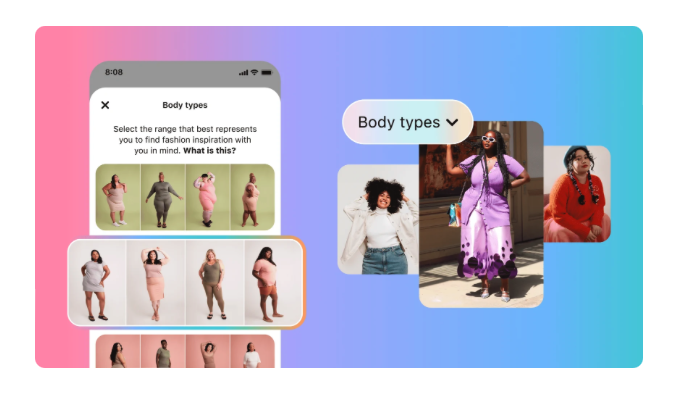
Pinterest has been at the forefront of using AI to foster a more inclusive environment. Starting with search result filters that allowed users to customize preferences such as skin tone and hair type, the platform has expanded its AI-powered features to include body shape recognition. This innovation utilizes shape, form, and size data to identify various body types, enabling users to specify the appearance they want in search results. AI then helps Pinterest algorithms deliver tailored content that reflects these preferences, creating a more personalized shopping experience.
Currently, this technology supports searches related to women’s fashion and wedding attire, with plans to extend to men’s fashion by late 2024. The objective is clear: making users feel comfortable, represented, and valued on the platform. Pinterest CEO Bill Ready emphasized the importance of using AI for good, highlighting the company’s commitment to transforming social media into a positive space. Building an environment where users feel welcomed and accepted is foundational for any business. Positive first impressions lead to increased engagement and customer loyalty.
Even without a large AI budget, smaller businesses can take steps toward inclusivity by deploying tools like chatbots. These bots can be trained to ask relevant questions and offer personalized product suggestions, guiding users efficiently to items aligned with their preferences. Such interactions foster trust and demonstrate genuine care for customer needs, ultimately boosting retention.
Promoting Accessibility Through AI Innovations
In early 2023, Estee Lauder launched a groundbreaking AI-powered app called the Voice-enabled Makeup Assistant (EL VMA), designed specifically for users who are blind or visually impaired. This application employs machine learning, artificial intelligence, and smartphone camera technology to evaluate makeup application quality, providing real-time feedback. It can assess the evenness of foundation, eyeshadow, and lipstick, alerting users to areas needing attention. The primary goal is to make beauty routines more accessible, empowering visually impaired users to confidently apply makeup independently.
This niche app exemplifies a broader principle: accessibility should be a priority for all businesses. According to the Centers for Disease Control, more than a quarter of American adults have some form of disability—ranging from hearing impairments to visual limitations. Incorporating AI-powered assistive tools like screen readers and voice recognition systems into your website or product design ensures that everyone, regardless of ability, can enjoy your offerings. Prioritizing inclusivity not only broadens your reach but also aligns with ethical standards and legal requirements.
Empowering Small Businesses with AI Mentorship
Mastercard introduced its Small Business AI program in early 2024, aiming to provide real-time, personalized guidance to entrepreneurs. Powered by AI, this virtual mentorship platform offers on-demand advice on various topics—from marketing strategies to cybersecurity and funding options. According to Mastercard’s Chief Marketing and Communications Officer, Raja Rajamannar, the initiative seeks to deliver scalable mentorship through a combination of generative AI and diverse media partnerships, reducing bias and ensuring inclusivity.
The program features a chatbot that responds to questions and offers tailored suggestions based on user needs. While the system is designed for larger organizations, the core concepts—personalized assistance, contextual recommendations, and user-centric design—are applicable to businesses of all sizes. Incorporating AI chatbots and designing bias-aware interfaces can help any company create a more engaging and supportive user experience. These tools serve as virtual guides, helping users navigate complex processes and find solutions efficiently.
Improving Customer Communication with AI in the Travel Sector
United Airlines has pioneered the use of generative AI in real-time customer service, setting a new standard for airline communication. Customer service teams utilize AI-driven analysis of flight data to craft detailed messages explaining delays or schedule changes. While human oversight ensures accuracy, AI handles the heavy lifting of message generation, providing customers with clear, personalized explanations.
In cases of weather disruptions, AI supplies links to local radar maps along the flight path, helping passengers understand the reasons behind delays. This transparency aims to reduce frustration and foster trust. Paired with existing rebooking tools, this AI-enhanced communication approach keeps travelers informed and empowered to manage their plans effectively.
Small e-commerce sites can adopt similar strategies by using AI to keep customers updated via automated texts or emails from purchase to delivery. Analyzing customer browsing and purchase behaviors allows for personalized recommendations and predictive insights, greatly enriching the user experience.
Revolutionizing Online Shopping with Virtual Try-On Technology
Walmart has elevated virtual fitting room experiences with its “Be Your Own Model” feature. Customers can upload a full-body photo and virtually try on over 270,000 clothing items, seeing how each piece looks on their unique body shape. This technology uses advanced machine learning algorithms to generate realistic images that account for fabric draping, shadows, and clothing fit, providing a highly authentic preview.
The feature is accessible directly from product pages—customers simply upload their photo once and can then try on items across Walmart’s website and app. The goal is to simulate the in-store shopping experience, offering personalized, engaging, and realistic interactions that increase satisfaction and confidence in online purchases. Smaller businesses can also leverage AI tools to recommend products based on browsing patterns, past purchases, and user preferences, creating a more personalized shopping journey.
Simplifying Shopping with Visual Search
H&M’s Visual Search feature allows users to find clothing and accessories by snapping or uploading a photo directly within the app. The AI technology scans the image to identify similar colors, patterns, and items within H&M’s inventory, offering matching or similar products on the spot. During testing, even casual photos from social media yielded accurate suggestions, demonstrating the system’s effectiveness.
This technology streamlines the search process, saves time, and helps users discover items they might not have found through traditional browsing. It enhances overall satisfaction and encourages exploration, which benefits both customers and brands. For businesses without extensive technical resources, AI tools like Algolia enable real-time data synthesis and personalized search results, making similar innovations more accessible.
The integration of AI into user experiences is reshaping how customers interact with brands, making interactions more personalized, accessible, and engaging. By adopting these technologies thoughtfully, businesses of all sizes can foster stronger connections, enhance satisfaction, and stay competitive in an increasingly digital world.