Creating a website is a process that can vary significantly in duration, depending on your goals, the complexity of the site, and the tools you choose. Whether you’re aiming to launch a simple landing page or a comprehensive enterprise platform, understanding the typical development timeline can help you plan effectively. In 2025, the landscape of website creation continues to evolve, offering faster and more efficient methods for both beginners and professionals alike. This guide explores the standard phases involved in building a website, the estimated time each step requires, and the most popular platforms and tools to streamline your project. By understanding these timelines, you can set realistic expectations and make informed decisions about your web development journey.
Website Building Timeline
Establishing a clear schedule for each stage of web development is crucial for an efficient project. Let’s examine a typical timeline and what each phase entails.
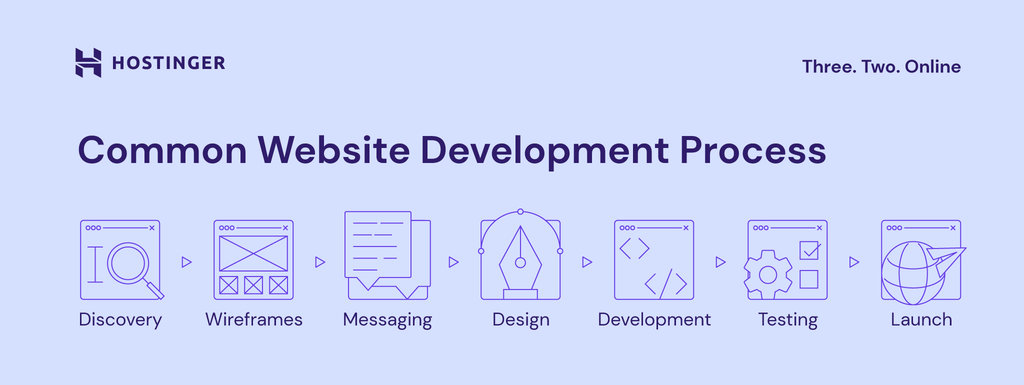
Planning and Research
The first step involves thorough planning and research to define your website’s purpose, target audience, and scope. Start by clarifying your main objectives and brainstorming ideas aligned with your goals. For example, a personal portfolio requires a different approach than an online store, which might demand more extensive features.
Conduct market research to understand your audience’s preferences and behaviors, informing your content strategy and design choices. Setting clear, achievable goals ensures your project stays focused and on track. For those interested in launching a web presence quickly, exploring how to start a web design business in 14 practical steps can provide valuable insights.
Choosing a Platform
Selecting the right platform is fundamental to your website’s development timeline. Your options include website builders, content management systems (CMSs), or coding from scratch. Each choice offers distinct advantages and challenges.
Website builders, such as Wix or Squarespace, enable rapid deployment but with limited customization. Conversely, CMS platforms like WordPress provide greater flexibility at the cost of a steeper learning curve. Coding your website independently offers maximum control but requires significant time investment and technical skills. To get started, consider reviewing how to build your website in five easy steps wordpress com support.
Don’t forget to register a domain name and select a reliable hosting provider—crucial steps that impact your site’s performance. Good hosting services can significantly enhance your website’s speed and security, which is vital for user experience.
Design and Customization
The design phase combines aesthetics with functionality. You can choose to use pre-made templates for quick setup or craft a custom design tailored to your brand. Templates are especially useful for simple sites and can be implemented in a few hours, while custom designs may extend your timeline but offer uniqueness.
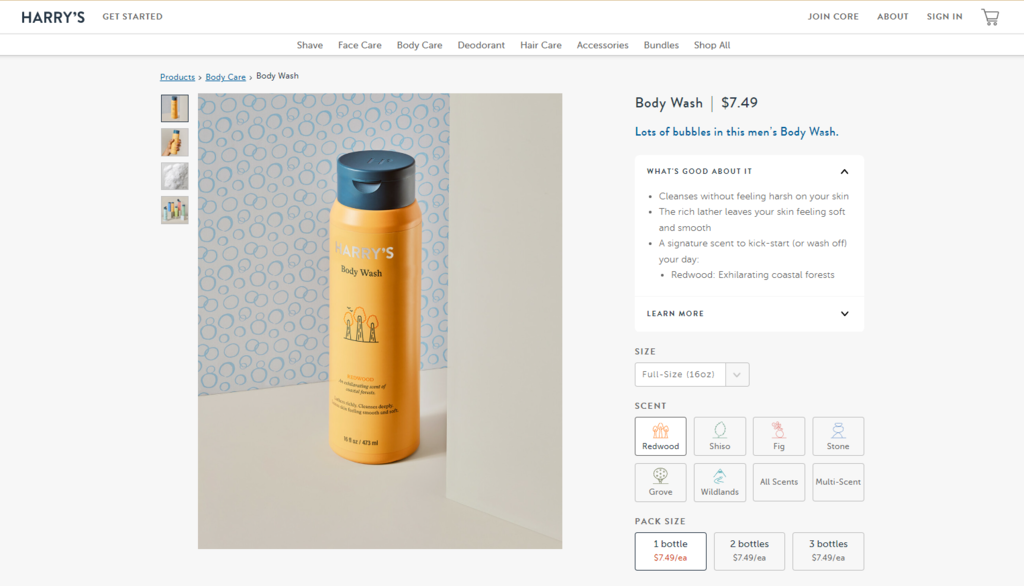
Analyzing competitors’ websites can inspire your design choices. For instance, observing how Harry’s structures their product pages can help inform your layout decisions.
Content Creation
Content is the core of your website’s value. Planning your content creation process in advance ensures consistency and quality. Factors influencing creation time include content type, length, and SEO requirements. Using AI tools can expedite content development, making it easier to meet deadlines without sacrificing quality.
Testing and Launching
Before going live, comprehensive testing is essential. Check for broken links, responsiveness on mobile devices, page load speed, and overall user experience. For eCommerce sites, additional security and payment testing are necessary. Implement a pre-launch checklist to ensure all elements function correctly. Once satisfied, publish your site and focus on promotion and ongoing maintenance.
How Long Does It Take to Make a Website?
The development timeline varies widely based on the method chosen and the website’s complexity. Below are estimates for different approaches and site types, considering the tools and platforms available in 2025.
Website Builders
Ideal for beginners and quick projects, website builders use drag-and-drop interfaces that require minimal coding. Platforms like Hostinger’s website builder and others streamline the process, often allowing you to create a site within hours.
-
Single-Page Websites: These can be completed in as little as 4 hours up to 3 days, depending on content and features. Preparation of content and requirements can take an hour or more, while customization and testing take a few hours to a day.
-
Small eCommerce Sites: With integrated payment options and inventory management, small online stores typically take 1 to 7 days. Planning, setup, and testing are quicker with ready-made templates, but limited customization options may influence your decision.
-
Enterprise Websites: Larger, multi-functional enterprise sites may require 5 to 14 weeks. This includes extensive planning, design, custom development, and testing phases, often involving multiple teams.
CMS Platforms (e.g., WordPress)
Using a CMS like WordPress strikes a balance between flexibility and ease of use. It powers over 43% of all websites and offers numerous plugins and themes.
-
Single-Page Sites: Building a simple WordPress site can take 2 to 8 days, including theme selection, plugin setup, and content input. Customizing features like subscriptions or downloads may extend this timeline.
-
Small eCommerce Sites: With plugins like WooCommerce, creating a small online shop can take 5 days to 5 weeks, especially when customizing themes or integrating specific payment gateways.
-
Enterprise Websites: Complex sites with custom integrations and multiple functionalities may take 13 to 22 weeks, depending on scope and customization needs.
Custom Coding
For maximum control and originality, coding a website from scratch is the most time-consuming method.
-
Single-Page Websites: Expect 8 to 21 days for development, including design, coding, and testing. Close communication with clients during development helps prevent costly revisions.
-
Small eCommerce Sites: Building a small online store from zero can take 11 to 36 days, especially when integrating third-party payment solutions and custom features.
-
Enterprise-Level Projects: Large, bespoke websites often require 15 to 40 weeks. This involves extensive planning, development, testing, and integration with other systems, making it suitable for experienced teams.
Building a Website Quickly with Hostinger Horizons
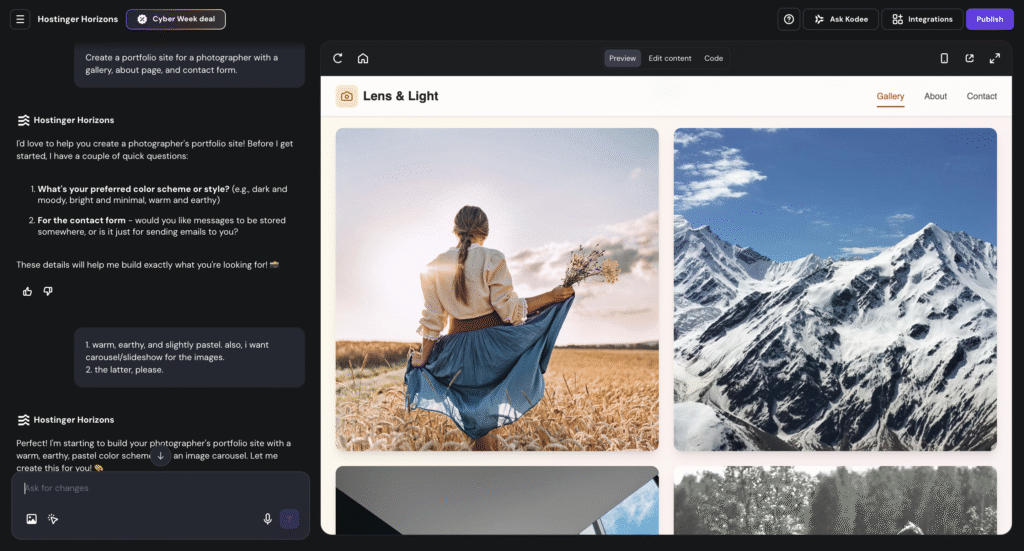
Advanced AI-powered tools like Hostinger Horizons allow you to generate entire websites from simple descriptions. This approach can reduce a project that normally takes days to under an hour.
To create a site with Horizons, access hPanel → Horizons → Add website. Describe your desired site, such as “a photography portfolio with a gallery, about page, and contact form,” and review the generated preview. Adjust the result with follow-up prompts if needed, then publish.
This conversational method speeds up the entire process by eliminating multiple development phases. Typical timelines include:
- Initial description and generation: 5–15 minutes
- Refining and customizing: 15–45 minutes
- Final review and publishing: 5–10 minutes
It’s especially useful for those who need a quick, professional-looking website without extensive technical skills.
Final Thoughts
Estimating how long it takes to build a website depends on numerous factors—project scope, platform choice, developer expertise, and desired features. Carefully planning each phase, from initial research to launch, ensures a smooth process. Whether you opt for a quick website builder, a flexible CMS, or a fully custom-coded solution, understanding the typical timelines helps you set realistic expectations. With patience, proper preparation, and the right tools, creating a professional website in 2025 is more accessible than ever.
Frequently Asked Questions
Can a website be built within a month?
Absolutely. If you have a clear plan, content ready, and choose efficient tools like website builders, creating a basic website within a month is achievable. Proper management of each project phase is key to meeting this timeline.
Is it better to hire a professional developer or build one myself?
It depends on your website’s complexity and your budget. For large, custom projects, collaborating with experienced developers can save time and ensure quality. However, for personal blogs or portfolios, DIY approaches using templates or CMS platforms can be both cost-effective and quick.
All content here adheres to Hostinger’s strict editorial standards, ensuring accurate and helpful guidance for your web development endeavors.