


Getting your website up and running on WordPress.com is an exciting journey, whether you’re aiming to share ideas, start a business, or open an online store. Following these straightforward steps will help you build a strong foundation that supports your site’s growth and success.
Getting Started: Your Two Pathways to Building a Website
There are two primary options to begin creating your website:
-
AI-Powered Website Creation: Use artificial intelligence to generate a ready-made website in seconds. You can customize it by typing prompts until you’re satisfied with the design before launching. Learn more about this innovative approach at WordPress AI Website Builder.
-
DIY Method: Choose a website name, select a design, and build your site manually through WordPress. This route offers greater control and customization. Get started here: WordPress Start Guide.
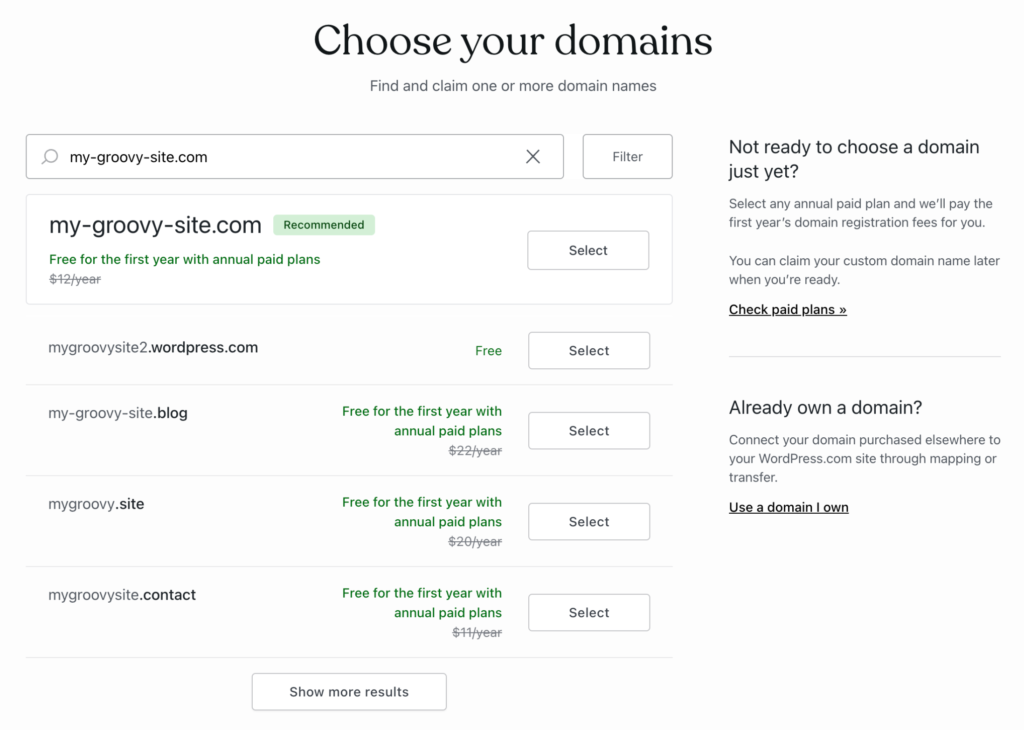
When you sign up, you’ll receive a free site address such as yourgroovysite.wordpress.com. To establish a more professional presence, you can purchase a custom domain like yourgroovydomain.com. WordPress.com often offers free domain registration for the first year when you opt for a yearly or multi-year plan.
Customizing Your Homepage and Choosing a Theme
Your homepage is the first impression visitors will see. Select a visually appealing theme and personalize it by adding, removing, or rearranging elements to reflect your style and brand.
Using Blocks to Build Your Content
WordPress employs “blocks”—modular components that let you add various types of content to your pages. You can include images, galleries, columns, videos, payment buttons, and more. Explore the list of available blocks to see what’s possible.
Enhancing Your Design with Block Patterns
To simplify design, you can use block patterns—pre-designed templates combining multiple blocks into a cohesive layout. These are perfect for quickly creating professional-looking pages without starting from scratch.
For a step-by-step walkthrough on customizing your homepage, check out this comprehensive guide.
Creating Essential Pages
Beyond the homepage, most websites benefit from an About page and a Contact page. To add new pages:
- Navigate to your dashboard.
- Go to Pages → Add New.
- Use starter content or create your own layout by adding custom blocks or patterns.
You can personalize your pages by editing content, images, and layout to suit your needs.
Setting Up Navigation Menus
Your site’s menu helps visitors navigate easily. To add your new pages to the menu:
- Go to Appearance → Editor (or Appearance → Menus if using classic themes).
- Edit the Navigation block or menu to include your pages. Arrange links intuitively for a seamless user experience.
Promoting Your Social Media Presence
Linking your social media accounts can boost engagement. Add social icons—such as Facebook, Twitter, or Instagram—to your menu or footer using the Social Icons block. This makes it easy for visitors to connect with your brand across platforms.
Final Steps: Launch Your Website
Once you’ve completed these five foundational steps, your website is ready to go live. Review all content, ensure navigation works smoothly, and then publish your site to share it with the world.
For insights into effective website design and development stages, consider exploring what are the seven stages involved in designing a website. Additionally, if you’re curious about the latest tools that can aid your design process, check out what is the top AI tool for designing websites.