


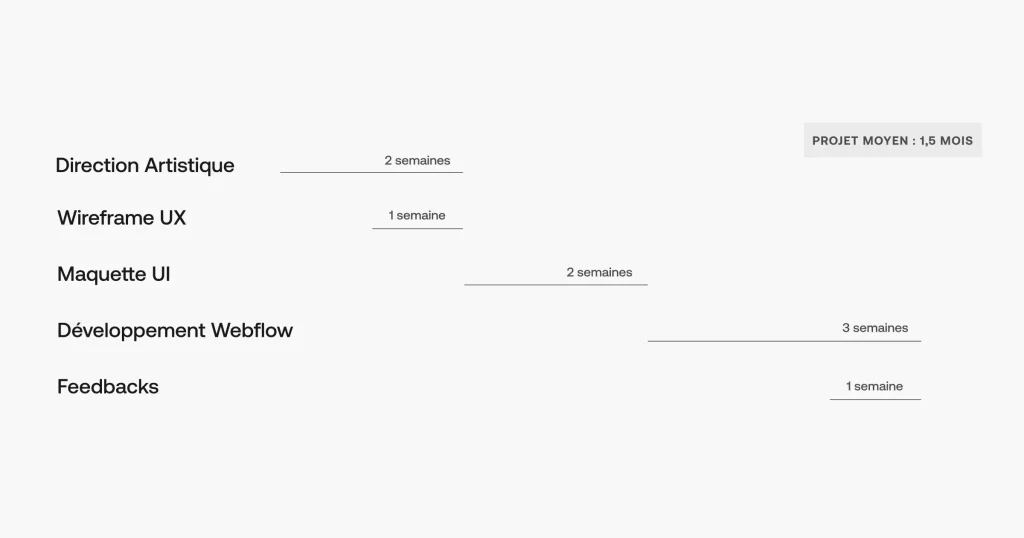
Building a website that truly resonates with your audience and achieves your business goals involves more than just coding and visual appeal. A well-structured web design process integrates strategic planning, user experience considerations, and meticulous execution. It’s about creating a cohesive digital experience that not only attracts visitors but also guides them toward desired actions. From initial goal setting to the final launch, every step must be purposeful and aligned with your overarching objectives. This comprehensive approach ensures that your website not only looks great but also performs effectively in a competitive online landscape.
In this guide, we outline the essential stages of a successful web design process, as practiced by leading agencies like Digidop. These steps serve as a blueprint for developing websites that are both visually compelling and highly functional, helping businesses stand out and succeed online. Additionally, understanding how to adapt your design education in the context of rapid technological advancements—such as AI—can significantly enhance your skills and relevance in the industry. For insights into this evolving landscape, explore redefining web design education for an AI driven future. Moreover, knowing whether a portfolio is necessary can influence your career trajectory; learn more about whether you really need a portfolio to attract web design clients.
The 7 Essential Phases in Web Design
The process of designing a website encompasses several critical phases, each contributing to the final product’s effectiveness. These steps are designed to ensure clarity, focus, and quality at every stage—from initial planning to the moment your site goes live.
- Goal Identification: Collaborate with your client to define clear objectives for the website. This involves understanding the target audience, primary functions, and how the site fits within the broader brand strategy.
- Scope Definition: Establish the boundaries of the project by outlining the required pages and functionalities. Proper scope management prevents scope creep and ensures deadlines are met.
- Site Map and Mockups Creation: Develop a logical structure of the website through a site map that illustrates page relationships. Complement this with visual mockups to preview the layout and user interface.
- Content Development: Craft engaging, informative content optimized for search engines. Each page should focus on a specific topic, tailored to meet user needs and business goals.
- Visual Elements Design: Select and refine visual components such as color schemes, typography, images, and icons to create a cohesive brand identity across the website.
- Testing: Rigorously examine the website’s performance across different devices and browsers. This step helps identify and fix errors, ensuring a smooth user experience.
- Launch Planning and Execution: Prepare for the website’s live deployment by setting a launch date, coordinating communication strategies, and implementing technical configurations like DNS setup. Post-launch, continuous monitoring and SEO optimization are vital.
Clarifying Goals for Effective Web Design
Starting with a clear understanding of what the website needs to accomplish is crucial. Engage with clients through collaborative workshops to answer key questions: Who is the target audience? What are their expectations? What is the core purpose of the site? How does it integrate with the overall branding? Who are the main competitors, and how can this site stand out? These insights guide the entire design process, ensuring that each element aligns with the intended objectives.
Understanding the importance of strategic planning is fundamental. For instance, many modern web professionals are exploring innovative approaches to design education, including how artificial intelligence is transforming learning paradigms. To stay ahead, consider reading about new directions in web design education, which discusses how industry standards are evolving.
Managing Project Scope Effectively
One of the most common challenges in web development is scope creep—when additional features and pages are added without proper planning, leading to delays and budget overruns. To prevent this, define a realistic scope from the outset and set achievable milestones. Utilize project management tools like Gantt charts to visualize timelines and dependencies. Planning phased releases can also help manage expectations and facilitate continuous improvement.
Building a Clear Site Structure and Visual Mockups
The foundation of any well-designed website is a logical site map that clearly depicts the hierarchy and relationships between pages. This structure ensures intuitive navigation and a positive user experience. Visual mockups complement the site map by illustrating the layout, branding elements, and interactive features. They serve as a blueprint for developers and designers, aligning everyone around a shared vision.
Developing Engaging and SEO-Optimized Content
Content is the backbone of a successful website. It must be engaging, relevant, and tailored to the target audience, while also being optimized for search engines. Collaborate with marketing teams to create copy, images, and multimedia that reinforce your message and drive conversions. Each page should have a focused topic, with keywords integrated naturally to enhance visibility. For further insights into content strategy, consider exploring the importance of professional portfolios and content.
Designing Consistent Visual Elements
Visual consistency reinforces brand identity and enhances user trust. Select a color palette, typography, and imagery that reflect the brand’s personality. Icons and other UI elements should align with the overall aesthetic. Regular collaboration with clients ensures that visual choices meet their expectations and support the site’s objectives.
Conducting Rigorous Testing
Thorough testing across devices and browsers is essential to identify usability issues and technical errors. Test on popular platforms like Chrome, Firefox, Safari, and Edge, as well as on mobile devices. Addressing these issues early prevents costly fixes after launch and ensures a seamless experience for all users. Continuous testing throughout development helps catch issues before they become critical.
Planning and Executing a Successful Launch
The launch phase requires meticulous coordination. Set a definitive launch date, prepare communication channels, and plan promotional activities. Technical aspects such as DNS configuration and server setup must be completed accurately. After going live, ongoing monitoring using tools like Google Search Console helps track SEO performance and user engagement, providing data to inform future improvements.
Essential Tools for Effective Web Design
- Figma: An industry-leading platform for collaborative UI/UX design that enables real-time feedback and prototyping.
- Webflow: A powerful no-code development tool that bridges design and performance, making complex websites accessible to non-developers.
- Markup: A platform facilitating visual feedback among designers, developers, and clients, streamlining the revision process.
- Loom: A video messaging tool that enhances team communication by allowing quick sharing of visual updates and explanations.
Keeping abreast of the latest tools and methodologies, along with continuous learning, significantly boosts your capacity to deliver impactful websites. The rapidly changing digital landscape emphasizes the importance of ongoing education and adaptation in web design practices.
Final Thoughts
Creating a high-performing website demands a structured, strategic approach that encompasses every stage of the design process. By meticulously planning, collaborating effectively, and leveraging the right tools, designers can craft websites that are not only visually appealing but also highly functional and aligned with business goals. Embracing innovation and continuous learning ensures that your skills remain relevant and your projects stand out in a competitive market. Partnering with specialized agencies like Digidop can further enhance your chances of success, as they bring expertise and a commitment to delivering tailored, high-quality web solutions.