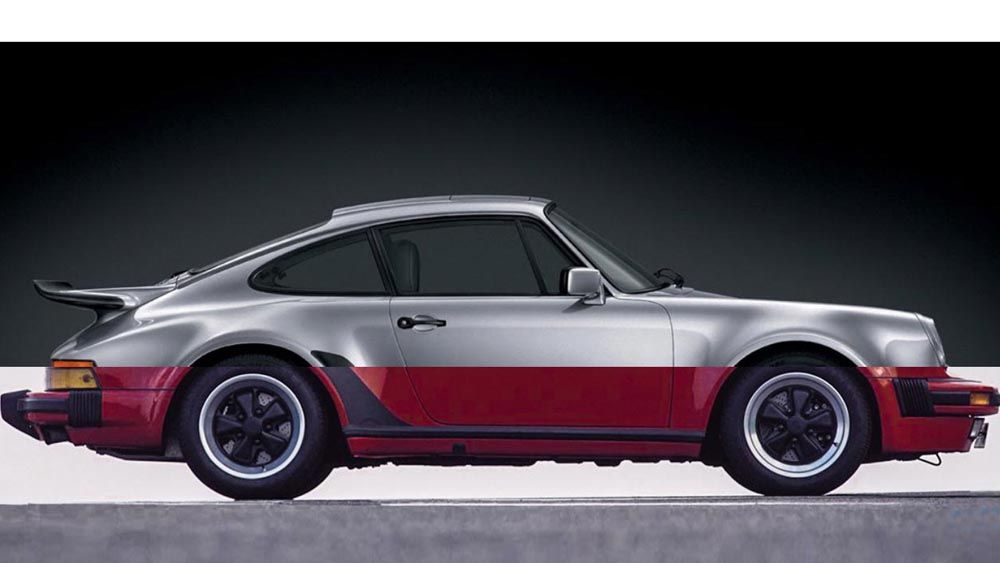
Engaging web design has evolved beyond static pages, with parallax scrolling standing out as a technique that captivates users and elevates storytelling. Even as design trends shift, the allure of creating depth and motion through layered visuals continues to dominate the digital landscape. When used thoughtfully, parallax effects can transform a simple website into an immersive experience that encourages visitors to explore further, boosting engagement and SEO performance. From dynamic storytelling to showcasing portfolios, the possibilities with parallax scrolling are vast, offering designers a compelling tool to craft memorable online experiences.
01. PORSCHEvolution
Parallax scrolling excels in visual storytelling, especially when illustrating a narrative that spans decades. The PORSCHEvolution website masterfully demonstrates this by depicting the evolution of Porsche cars from the iconic Type 64 Racing Coupé of the 1930s to the latest 2021 911. Designed by UX expert Ondrej Homola, the site features remarkably smooth transitions that keep users engaged throughout the journey. Complemented by a soundtrack reimagined for each era, it creates a rich, multi-sensory experience that showcases how storytelling can be enhanced through sophisticated scrolling effects. To learn how to craft visually compelling sites, explore key web design fundamentals.
02. Hadaka Co
This vibrant Japanese website demonstrates the bold potential of parallax to create an immersive environment. Hadaka.jp features neon lines, animated characters, and surreal scenes involving flying robots and anime figures, all animated with intricate parallax layers. While the site is visually stunning, its heavy use of movement and complex visuals can lead to longer load times, exemplifying a common challenge with such effects. Nonetheless, it highlights how parallax can be used to tell vibrant, character-driven stories that captivate audiences. For businesses looking to stay competitive through innovative design, understanding future trends in web development can provide a strategic advantage; see upcoming web design trends for 2025.
03. Browser history 2020
Websites centered on storytelling can also benefit from parallax to deepen emotional impact. Squarespace’s tribute to entrepreneurs who thrived during a turbulent year uses layered portraits and Q&As, seamlessly connected through parallax effects. This approach maintains viewer interest from start to finish, encouraging prolonged engagement. Such techniques exemplify how storytelling can be amplified with subtle animations that guide the audience through a narrative journey, making complex information more digestible. To discover how storytelling can be integrated into your site, consider strategies for effective web storytelling.
04. Web design art history
Combining art history with web design creates a captivating fusion, as seen on the site dedicated to the artistic evolution of web aesthetics. Using diverse parallax techniques, the site explores the relationship between art movements and web trends, revealing how visual storytelling and layered effects can enhance understanding. Each scroll reveals new surprises, keeping visitors engaged and inviting exploration. This demonstrates that when carefully implemented, parallax can serve as a tool for both education and aesthetic appeal. For inspiration on balancing creativity and usability, review web design principles for creating impactful websites.
05. The Qode Interactive Catalogue
Qode’s online catalogue showcases how parallax can serve functional purposes in commercial websites. Starting with an engaging introductory effect, users can hover over theme names to reveal images, then click to explore a portfolio of application examples. This layered presentation not only enhances visual appeal but also improves user navigation and understanding of product features. While it’s not the most avant-garde example, it clearly illustrates how parallax can be integrated into e-commerce and portfolio sites to create dynamic, interactive experiences. For more insights into creating engaging site layouts, see web design trend forecasts for 2025.
06. Canals
Designed to evoke a sense of history and exploration, Canals takes visitors on a horizontal journey through Amsterdam’s iconic waterways. Developed by Marcus Brown and Aristide Benoist, the site leverages parallax’s depth effect to narrate the city’s 400-year history. The smooth horizontal scroll combined with layered visuals creates a documentary-like experience, immersing users in the story of the canals’ construction and significance. This approach demonstrates how effective parallax can be in presenting educational content with visual richness. To see how storytelling and design intertwine, explore web design techniques for storytelling.
07. The story of The Goonies
Nostalgia runs deep with The Goonies tribute site, created by Joseph Berry on WebFlow. Using parallax scrolling, the site pulls visitors into the adventure, introducing characters and plot points with animated effects that mimic the film’s energetic spirit. This engaging use of motion not only enhances storytelling but also builds an emotional connection, making the experience memorable. Such dynamic storytelling is especially effective for brands and projects aiming to evoke strong emotional responses through design. For tips on crafting compelling narratives online, check out web design strategies that boost engagement.
08. Louie Sellers
Portfolio websites can also leverage parallax to showcase creativity and attention to detail. UX designer Louie Sellers employs a range of effects, including an animated marker pen that uncaps and recaps as users scroll through his work samples. This interactive detail reflects his design ethos—combining functional storytelling with playful animation. Parallax here serves both aesthetic and functional purposes, making the portfolio memorable without overwhelming the viewer. To discover how subtle animations elevate user experience, visit web design principles for impactful portfolios.
09. Delassus Group
While most parallax effects are vertical, Delassus Group demonstrates the power of horizontal scrolling combined with layered visuals. This Moroccan fruit grower’s website uses movement and depth to highlight products in a clean, straightforward manner. The effect creates a memorable browsing experience without sacrificing usability, exemplifying how parallax can be adapted for different orientations and industries. It reminds us that innovative use of motion can reinforce brand identity and product storytelling. For insights into integrating multimedia into websites, see web design trends for 2025.
10. Dogstudio
The standout feature of Dogstudio’s site is a meticulously animated 3D dog that scales, rotates, and interacts with user hover actions. As visitors scroll, the dog moves in and out of focus, creating an engaging three-dimensional experience. The site also cleverly obscures parts of the text with the moving dog, adding depth and playfulness. This example showcases how layered animations can make brand storytelling more engaging and fun. For inspiration on integrating interactive 3D elements, explore web animation techniques.
11. New York Times: Tomato Can Blues
Long-form journalism benefits immensely from immersive web design, exemplified by The New York Times’ “Tomato Can Blues.” Combining storytelling with animated illustrations by Atilla Futaki, the article draws readers into the narrative of a cage fighter’s life. As you scroll, illustrations and animations animate seamlessly, enhancing comprehension and emotional engagement. This approach demonstrates how parallax can turn traditional articles into engaging multimedia experiences. To understand how storytelling can be enhanced through visual design, see web storytelling techniques.
12. New York Times: Snow Fall
Another iconic example from The New York Times, “Snow Fall,” employs parallax scrolling to blend photos, videos, and text into a cohesive narrative about an avalanche. The experience immerses readers in the story, using layered media to evoke emotion and understanding. Since its publication in 2012, it has set a benchmark for long-form storytelling online, illustrating how thoughtful use of motion can elevate journalistic narratives. For more on innovative storytelling formats, explore web design for immersive journalism.
13. Firewatch
The Firewatch website is a prime example of restrained, effective parallax use. It employs six layered backgrounds that create a convincing depth of field without overwhelming the content. The effect is only present at the top of the page, ensuring readability and user comfort. This balance of visual flair and usability exemplifies sophisticated parallax design—showing that less can often be more. For additional insights into creating smooth and user-friendly animations, see web development for better UX.
14. Orken
This vibrant, high-energy site for the fantasy transmedia project Orken uses intense movement and layered visuals to introduce a new fantasy universe. While busy, the effect suits the multimedia storytelling of the series, conveying its dynamic and fantastical nature. Such bold use of parallax is best suited for creative projects aiming to evoke excitement and curiosity. It demonstrates that with careful planning, even high levels of motion can serve storytelling goals without sacrificing clarity. To explore more about creating immersive multimedia narratives, consult future design trends.
What is parallax scrolling?
Parallax is a visual illusion rooted in traditional animation and cinematography, where background layers move more slowly than foreground layers, creating a sense of depth. Inspired by the multiplane camera technique used in classic animation, it simulates a three-dimensional space on a flat surface. This is achieved on the web by moving background images at a slower pace than content layers as users scroll or move their mouse, resulting in a layered, three-dimensional effect that brings static pages to life.
Historically, the technique gained popularity through side-scrolling video games like Sonic the Hedgehog, where layered backgrounds enhanced visual interest. Today, web developers utilize CSS and JavaScript frameworks such as GSAP or Scroll Magic to implement parallax effects seamlessly. Subtle, well-executed parallax enhances storytelling, emphasizes key content, and fosters a more engaging user experience—making it a valuable tool for modern web design.