
Starting a web design business often involves the hustle of finding new clients, drafting proposals, and working tirelessly on projects that sometimes take longer than expected. After the project is complete, you send the final invoice and repeat the cycle—yet, this approach can feel unstable and exhausting. The fluctuating income, especially when you see months earning $14,000 and others just $2,100, can create constant stress, even if you’re not a smoker 🚬.
The traditional flat-fee model for web design has long posed challenges for freelancers and agencies seeking steady income streams. Fortunately, there are effective ways to diversify your revenue sources and establish more predictable income. With a touch of creativity and strategic planning, you can integrate several recurring revenue streams into your web design business, providing more stability and peace of mind.
This guide focuses on ideas tailored specifically for web designers, emphasizing services that align with your skills and client needs. No need to add unrelated services like social media management unless that’s your specialty—these suggestions are designed to keep you working within your zone of expertise while building a resilient business.
If you’re ready to enhance your income stability, the following 13 recurring revenue ideas can help you achieve a more consistent cash flow. Remember, these aren’t one-size-fits-all solutions; adapt each to suit your unique skills, client base, and business model.
Note: Some links included are affiliate links, supporting us at no extra cost to you. You can learn more about our affiliate promise here.
1) Web Hosting Services
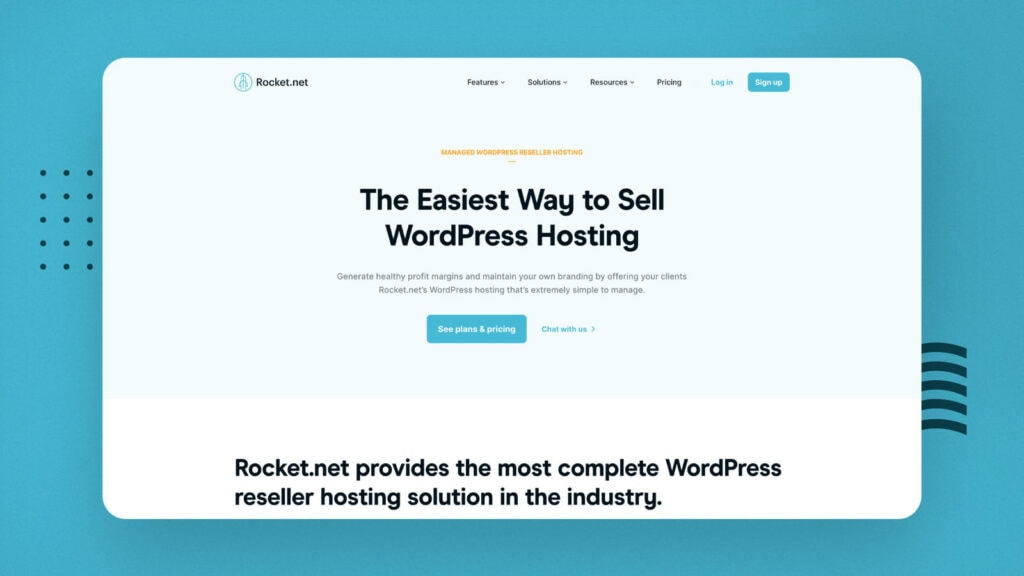
Offering hosting plans to your clients is one of the most straightforward ways to generate recurring revenue. As every website requires hosting, it’s a natural upsell that benefits both you and your clients. Managing hosting can be done through reseller accounts or by managing your own servers, depending on your technical expertise and volume.
Why include hosting?
Providing hosting ensures your clients’ sites are reliable, fast, and secure, while you earn a steady monthly fee. You can set your own pricing, typically around $50 per month, and add value by offering extras such as cloud backups or CDN services. Tools like Vultr HF or Hetzner Cloud can help you manage servers efficiently, or you can opt for managed WordPress hosts like Rocket.net or Kinsta for simplicity and speed.
Pricing considerations
Your pricing should reflect your costs and the complexity of each project. A typical monthly fee of around $50 balances affordability for clients with profitability for you. Consider offering upsells such as security enhancements or image optimization to increase revenue.
2) Monthly Maintenance and Care Plans
Clients often prefer to outsource ongoing website maintenance rather than handle updates themselves. You can offer monthly care plans that include plugin updates, security patches, minor content edits, and general support.
Benefits of care plans
These plans ensure the website remains secure, fast, and up-to-date, reducing headaches for your clients and providing you with predictable monthly income. You can charge anywhere from $99 to $299 per month depending on the scope of services and the number of sites managed.
How to implement
Use tools like WP Umbrella or manage updates manually. Typically, dedicating 1-2 hours monthly per client is sufficient. Customize your pricing based on the level of support your client requires, offering tiered packages if needed.
3) Subscription-Based Website Packages

Transitioning to a subscription model involves charging clients a smaller monthly fee instead of a significant upfront payment. This approach is gaining popularity, especially for smaller websites or ongoing service bundles.
Advantages
Subscription websites provide predictable income streams and reduce barriers for clients hesitant to pay large sums upfront. You can bundle website design, hosting, and maintenance into a single monthly fee, creating a productized service that’s easier to sell.
How it works
Offer a standardized package—say, a $129/month plan that includes hosting, updates, and support. You can structure payments as a flat monthly rate or a 24-month installment plan, with the potential to earn over $13,000 on a single project if the client remains subscribed long-term. Be sure to have clear contracts specifying the minimum commitment period to avoid cancellations after project completion.
4) Managed Legal Pages
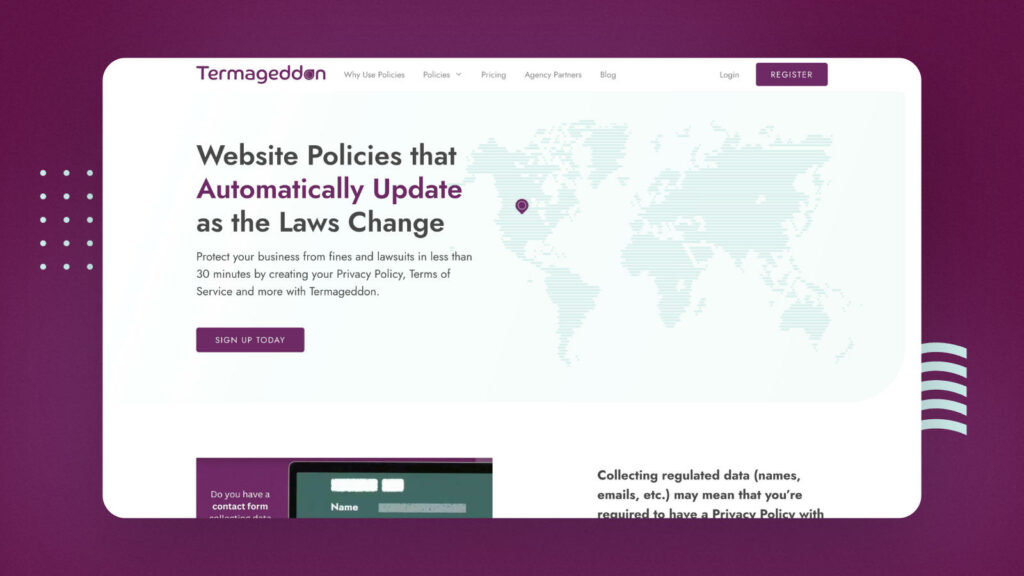
Help your clients stay compliant with privacy policies, terms of service, and cookie consent notices. Using services like Termageddon, you can create and automatically update legal documents tailored to each site’s needs.
Why legal pages?
Having up-to-date legal pages reduces the risk of lawsuits and regulatory fines, providing peace of mind for your clients. You can bundle this service into your monthly retainer or offer it as a standalone product, charging $15–$30 per month per site.
How it works
Input your client’s website details into a legal compliance tool. The service generates legal pages that automatically adapt to new laws. This is a scalable recurring service that requires minimal ongoing effort once set up.
5) Website Analytics and Reporting
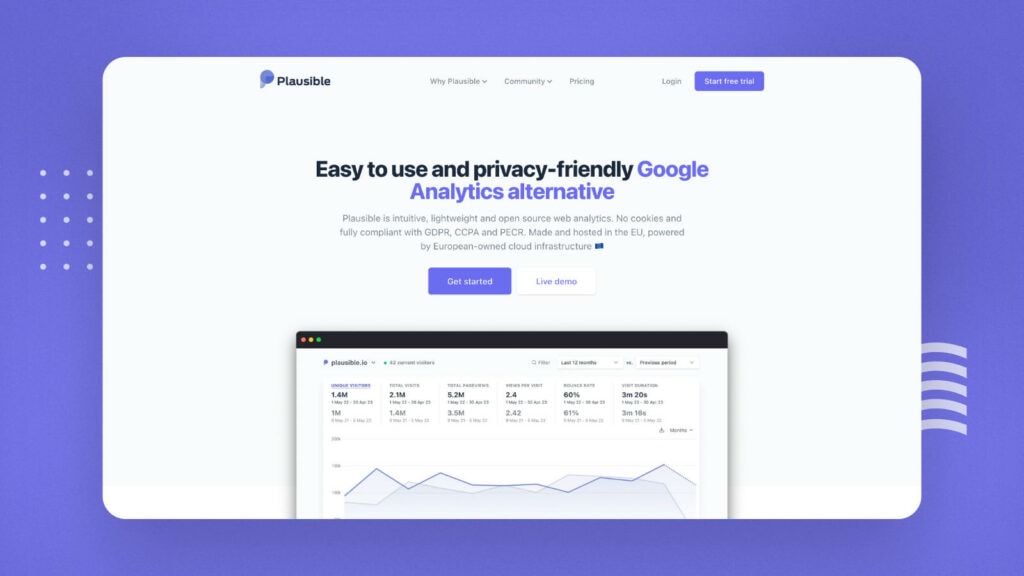
Offer your clients insightful website analytics with user-friendly platforms like Plausible or Fathom. Regular reporting helps clients understand their traffic, conversions, and areas for improvement.
Why offer analytics?
With the transition to Google Analytics 4, many find it complex. Simpler alternatives reduce setup time and increase client satisfaction. You can set up automated reports and even customize event tracking to measure specific goals.
Pricing approach
Purchase a plan that covers multiple sites—say, 50 or 100,000 pageviews for $15/month—and charge clients the same fee. When managing multiple clients under one plan, your profit margin increases significantly. This scalable model provides consistent monthly income.
6) Reselling Premium Plugins and Tools
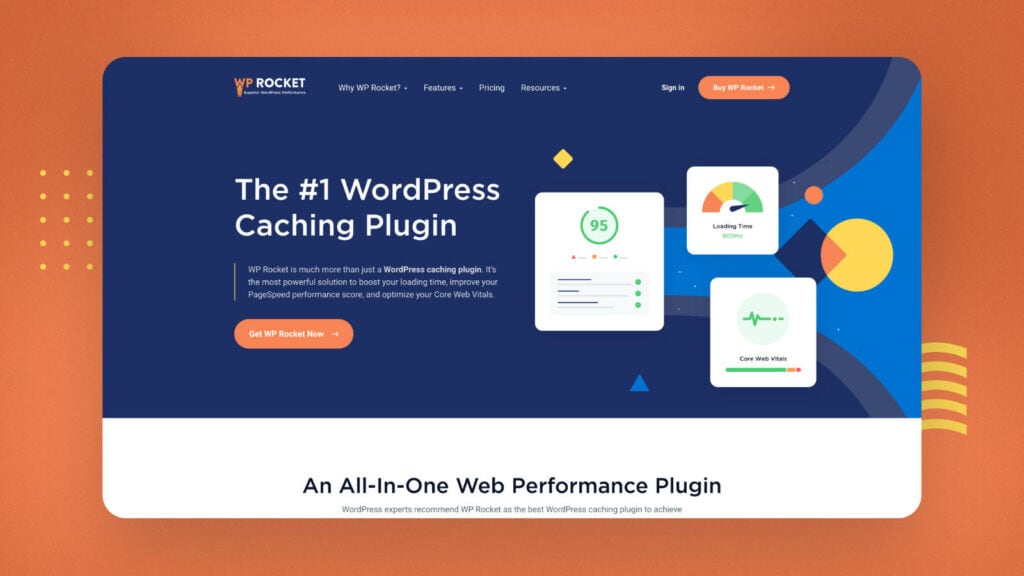
Many websites require premium plugins for optimization, security, or functionality. You can buy these plugins wholesale and pass the cost onto your clients, earning a markup.
Why resell plugin subscriptions?
This allows you to monetize your knowledge of essential tools and leverage bulk discounts. For example, purchasing a $99/year license for multiple sites lets you charge clients the full retail price, ensuring profit.
How to do it
Bundle plugin costs into your monthly retainer or charge separately. For lifetime deals, you might offer a monthly fee that covers the cost indefinitely. This approach ensures your clients get access to high-quality tools without you losing margins.
7) Ongoing Consulting and Strategy
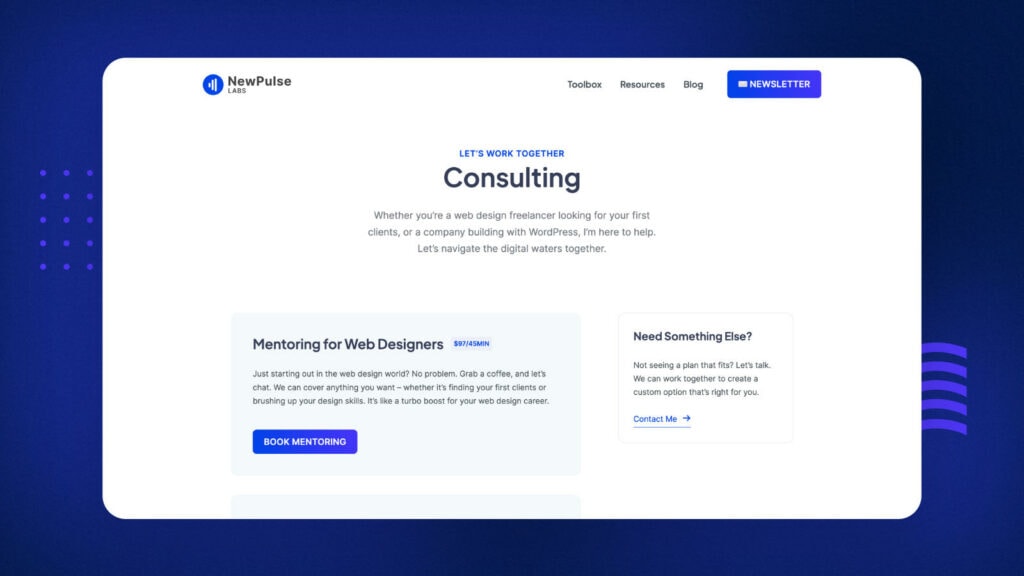
Position yourself as a strategic partner, guiding your clients through digital growth even after their website launches. Offer ongoing consulting to help them optimize their online presence, explore new features, and test ideas.
Benefits
Your expertise can lead to higher-value projects and retain clients longer. You might offer monthly calls, priority email support, or dedicated Slack channels, charging anywhere from $500 to $10,000 per month depending on your level of involvement and the client’s needs.
How to implement
Set clear boundaries and expectations. Use your knowledge to identify opportunities for improvement, recommend new features, or troubleshoot issues, ensuring continuous value.
8) Conversion Rate Optimization (CRO)

Help your clients maximize their website’s effectiveness by increasing conversions—whether sales, leads, or signups. CRO can be a lucrative upsell, especially when demonstrating clear results.
Why offer CRO?
Quantifiable results make it easier to justify premium pricing. You can identify easy wins like adding clear calls-to-action or run A/B tests to refine website elements, leading to higher revenue for your clients.
How it works
Measure baseline conversion rates, implement small changes, and test their impact. Use tools like FunnelKit or Optimizely to streamline this process. You can charge a monthly retainer or a performance-based fee, sharing in the increased revenue when successful.
9) Sales Funnel Optimization
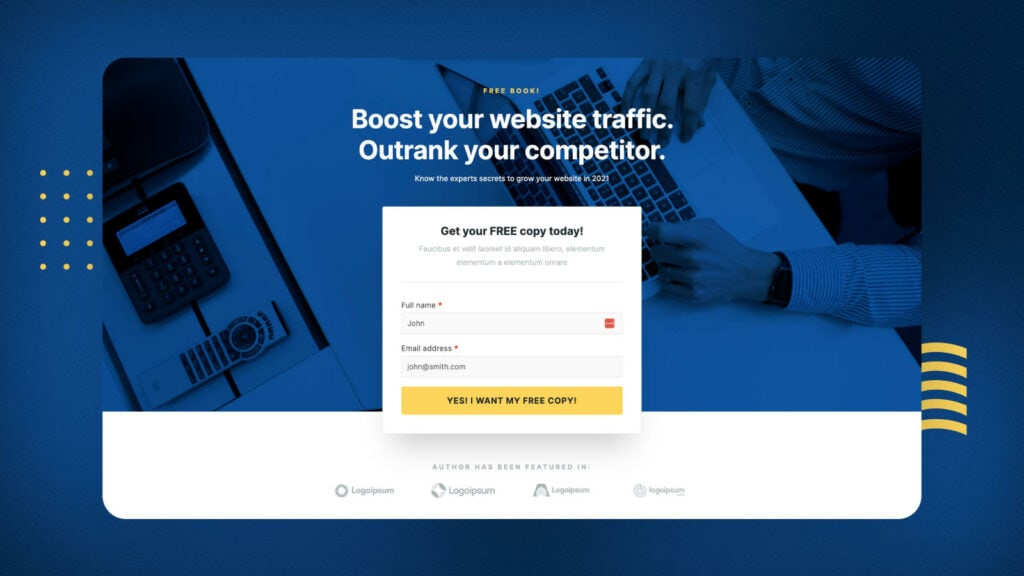
Enhance your clients’ sales processes by optimizing their funnels—upselling, cross-selling, and reducing cart abandonment. Small tweaks can significantly boost revenue without additional traffic.
Why focus on funnels?
Many businesses overlook the potential of their existing customer base. Improving the flow from awareness to purchase can dramatically increase profitability.
How to do it
Identify where potential customers drop off and implement strategies like order bumps or exit-intent popups. Use analytics to track improvements and justify ongoing optimization fees. Performance-based models can be particularly lucrative here.
10) Uptime and Site Monitoring

Downtime can cost your clients thousands in lost revenue. By offering uptime monitoring services, you ensure their sites stay online and responsive.
Why offer uptime monitoring?
Quick detection and resolution of outages preserve your client’s reputation and revenue. You can set up tools like UptimeRobot or BetterStack, notifying you or your client immediately when issues occur.
How it works
Charge a monthly fee—say, $10—marking up the cost of monitoring services. For urgent support, you can offer on-call troubleshooting at a premium rate. Additionally, integrating failover solutions like GridPane’s Snapshot Failover ensures minimal downtime even during server issues.
11) Email Marketing Campaigns
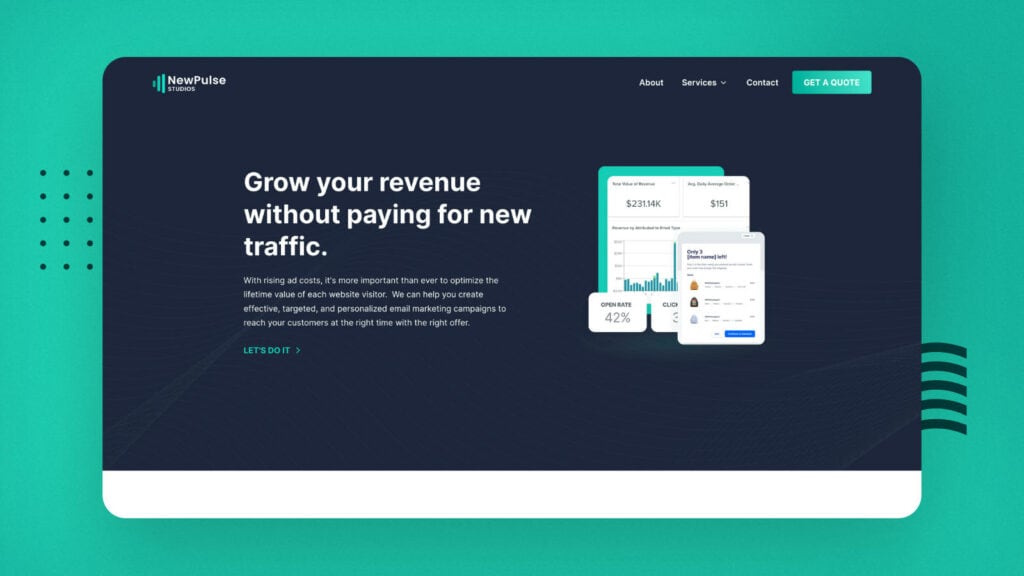
Automated email sequences nurture leads and drive sales. Setting up and managing email marketing can generate ongoing revenue, especially when campaigns are tailored and automated.
Why include email marketing?
It’s a cost-effective way to generate repeat business and boost client revenue. You can set up lead magnets, automated follow-ups, and personalized sequences that work on autopilot.
How to do it
Connect your client’s website forms to platforms like MailerLite or FluentCRM. Design automation workflows that respond to user actions—such as downloading a free guide or abandoning a cart. Charge a monthly fee or a percentage of revenue generated from email campaigns.
12) Online Courses and Workshops
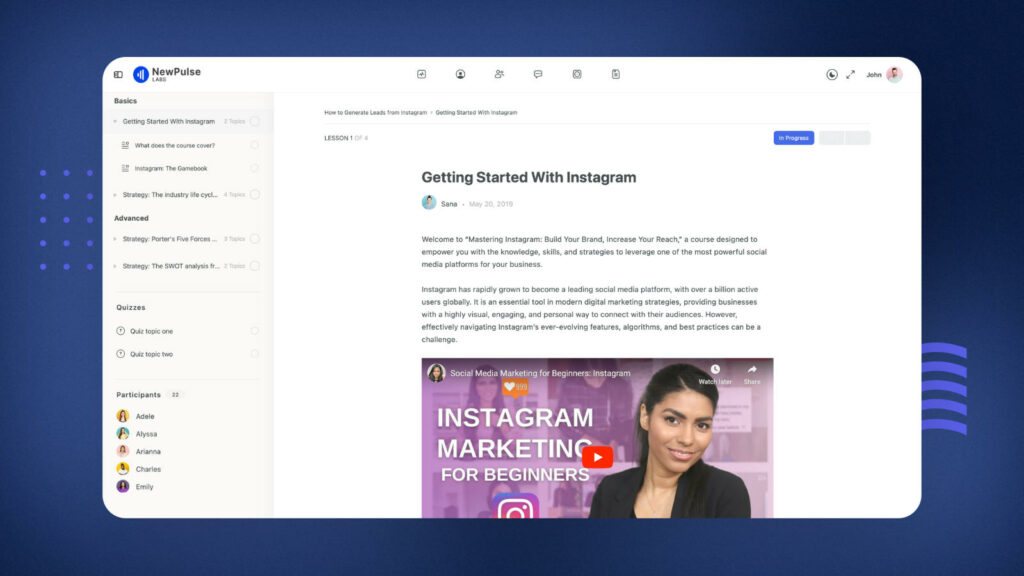
Teach your clients how to leverage their website and marketing tools through online courses or live workshops. This empowers them to do more independently while creating a new revenue stream for you.
Why offer training?
Most clients lack the expertise or time to master digital marketing themselves. Providing tailored training ensures they get maximum value from your work and stay engaged long-term.
How to implement
Develop courses on topics like social media management or SEO, or host interactive workshops. Pricing can range from $29/month for basic courses to $399/month for in-depth workshops, depending on depth and delivery format.
13) Search Engine Optimization (SEO) Services
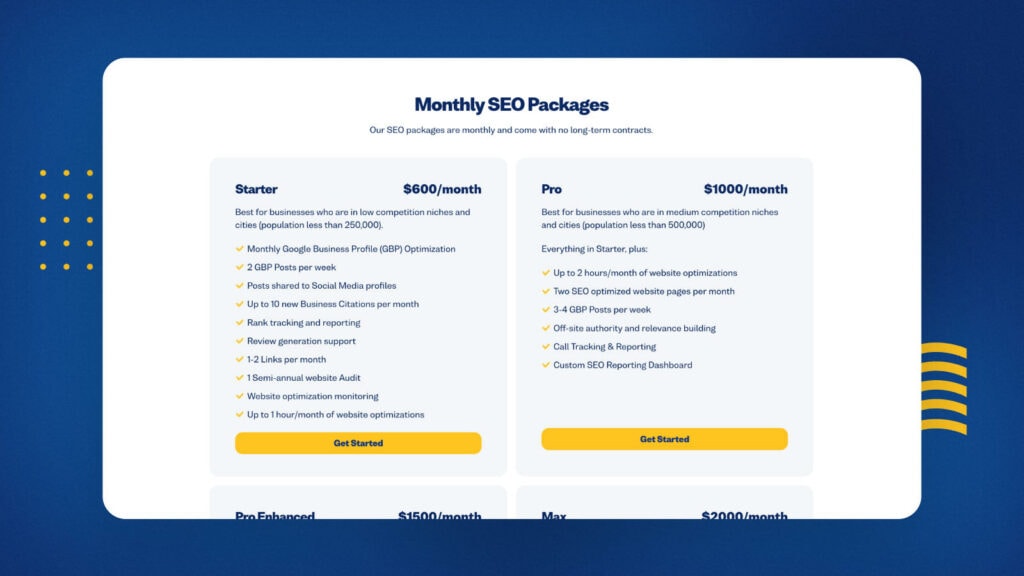
Help your clients rank higher in search engine results by offering ongoing SEO. From keyword research to backlink building, SEO provides a continuous flow of work and income.
Why include SEO?
Ranking higher attracts more organic traffic, boosting sales and leads. Monthly SEO packages can range from $500 to over $5,000 depending on competitiveness and scope.
How it works
Perform activities like on-page optimization, technical audits, content creation, and backlink outreach. Outsource tasks when necessary, and position yourself as the ongoing SEO partner rather than just a website builder.
Building recurring revenue streams takes intentional effort but pays off by providing stability and growth. Reflect on your strengths and client needs: what services do you already offer that can be transitioned into ongoing packages? What new skills can you develop to expand your offerings? Start with a few ideas, test them, and refine your approach.
For further insights into project costs, check out the costs associated with custom website designs, and learn how to effectively plan your website projects with a comprehensive website brief guide. When choosing your technology stack, explore options for affordable and professional web design solutions in Orlando.
What recurring services could you start offering today to grow your business?
