


Starting a WordPress web design business can be a rewarding venture, but it requires careful planning and strategic execution. Whether you’re a seasoned developer or just getting started, understanding the essential steps can set you up for long-term success. Here’s a comprehensive guide based on real-world experience and industry insights to help you launch and grow your own agency.
Is a WordPress Web Design Business Worth It?
Running a WordPress-focused design service offers significant advantages. The primary benefits include low barriers to entry—since there’s no need for physical products or brick-and-mortar locations—and the flexibility to operate entirely online. This means minimal overhead costs like rent or utilities.
WordPress dominates the content management system (CMS) market, powering everything from personal blogs to large enterprises. This vast user base translates into a large potential client pool across various industries and business sizes.
While establishing your business may require substantial effort upfront, the earning potential is notable. Skilled designers often command hourly rates upwards of $75, with experienced agencies reaching six-figure annual incomes as they grow their client base.
Before diving in, consider these critical steps to turn your skills into a thriving business.
Quick Navigation
- Decide on the scope of your services
- Choose a niche aligned with your strengths
- Build a professional portfolio website
- Set your pricing strategy
- Simplify client communication
- Assemble your plugin toolkit
- Secure legal advice
- Implement project management tools
- Manage administrative tasks efficiently
- Maintain professional communication channels
- Build your authority on social media
- Collect client feedback
- Stay updated with industry trends
- Explore outsourcing and white-label options
1. Define Your Service Offerings
Start by clearly outlining what services you will provide. Will you focus on custom WordPress site development, theme customization, or ongoing maintenance? Consider specializing in areas like multilingual sites, eCommerce, or niche industries such as food blogging or health & wellness.
Offering hosting services can also be a lucrative addition. Reseller hosting plans, such as those from SiteGround, enable you to manage client accounts and earn recurring commissions, positioning your business as a one-stop shop.
Keep in mind, reselling hosting means becoming your clients’ first support contact—be prepared to handle technical inquiries or coordinate with your hosting provider.
Understanding your clients’ needs through conversations can help you craft tailored packages that satisfy their specific pain points and aspirations.
2. Pick a Niche That Leverages Your Strengths
Specializing allows you to become an industry expert and differentiate yourself from competitors. For example, you might focus on WooCommerce stores, multilingual websites, or minimalist design styles.
Research various niches by reviewing successful web projects. For inspiration, CultivateWP has carved out a reputation in food blogging design, demonstrating how niche focus can lead to authority and higher-paying clients.
Identify what excites you most—whether it’s creating visually stunning portfolios, developing complex eCommerce solutions, or improving user experience. This passion will translate into better work and more referrals.
3. Create an Impressive Portfolio Website
Your website is your digital storefront. Invest in a clean, intuitive design that showcases your best projects. Highlight your skills with high-quality visuals and detailed descriptions of each project.
A portfolio can be built using WordPress page builders like SeedProd or dedicated gallery plugins such as Envira Gallery. Incorporate SEO best practices to improve your visibility in search results, making it easier for potential clients to find you.
Design your site to be fully responsive across devices, and consider adding features like video backgrounds or a dark mode option to demonstrate your design versatility.
4. Develop a Competitive Pricing Strategy
Pricing is a balance between attracting clients and maintaining profitability. Research industry standards and local market rates to set competitive prices.
Consider offering tiered packages—basic, standard, and premium—to suit different budgets and project scopes. For example, a basic package might include a straightforward website setup, while a premium service could encompass ongoing SEO, maintenance, and support.
Don’t forget to account for expenses like hosting, premium themes, plugins, and your time when calculating your rates.
5. Make Contact Easy and Accessible
Ensure that potential clients can reach you effortlessly. Prominent placement of contact details, clear calls-to-action, and straightforward inquiry forms are essential.
Offering a free initial consultation can help clients feel comfortable and gives you an opportunity to understand their needs better.
Tools like WPForms allow you to create custom contact and quote request forms that streamline communication and set the stage for a professional engagement.
6. Build a WordPress Plugin Toolkit
Having a curated collection of reliable plugins enhances your workflow and the quality of your client websites. Some essentials include:
- Gutenberg Blocks: Extend the default editor with custom blocks.
- Contact Forms: Simplify communication.
- Lead Capture: Use pop-ups and opt-in forms for marketing.
- Typography & Fonts: Customize site appearance.
- Sliders & Galleries: Showcase images and testimonials.
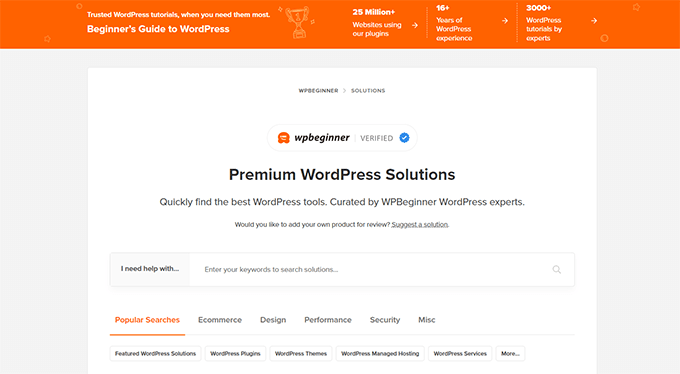
Always choose plugins from trusted sources, like the WPBeginner Solution Center, to avoid performance issues or security vulnerabilities.
7. Secure Legal Foundations
Prioritize establishing solid contracts and choosing the right legal structure for your business. Consult with a lawyer to draft agreements that clearly define project scope, payment terms, and revision policies.
Additionally, consider obtaining general liability insurance to safeguard against unforeseen issues, such as data breaches or client disputes.
Legal setup may seem daunting, but it’s vital for building trust and protecting your interests.
8. Use Project Management Tools
Managing multiple projects effectively requires dedicated software. Platforms like Asana or Monday.com help you assign tasks, set deadlines, and collaborate with clients in real time, reducing confusion and missed deadlines.
A centralized system ensures transparency, keeps projects on track, and enhances client satisfaction.
9. Handle Administrative Tasks Efficiently
Automation tools for invoicing, bookkeeping, and expense tracking save time and reduce errors. Services like Bench, QuickBooks, or FreshBooks integrate with your bank accounts to streamline finances.
Regularly updating your financial records and invoicing promptly keeps cash flow steady and business operations smooth.
10. Maintain Professional Communication Channels
Separate your personal and business communication to project professionalism. Use a domain-based email address (e.g., info@yourdomain.com), and consider tools like Slack for team messaging or Nextiva for a dedicated business phone number.
This separation helps build client trust and simplifies management of inquiries and support.
11. Build Authority on Social Media
Marketing your business on platforms like LinkedIn, Instagram, or YouTube can generate leads and establish your expertise. Share case studies, design tips, and project updates to position yourself as a knowledgeable professional.
For example, creators like Megan Weeks leverage TikTok to reach audiences interested in web design, demonstrating how social platforms can boost brand visibility.
Active engagement and valuable content are key to growing your reputation and attracting new clients.
12. Request Client Feedback
Post-project feedback helps you improve services and provides testimonials for your website. Use forms or plugins like UserFeedback to collect insights.
Positive reviews build social proof, increasing trust with future clients.
13. Keep Up with Industry Trends
Web design evolves rapidly. Staying informed about the latest WordPress features, themes, and security practices ensures you deliver modern, secure websites.
Subscribe to the WordPress News newsletter and participate in online communities like the WPBeginner Facebook Group to stay current.
Continuous learning fosters innovation and keeps your services competitive.
14. Explore Outsourcing and White-Label Services
As your workload expands, outsourcing tasks or white-labeling services can help you scale efficiently. Outsourcing allows you to delegate specialized tasks to trusted freelancers, while white-label services enable you to offer additional solutions under your brand.
Partnering with reputable agencies, like those providing aaa game art studio services, can expand your offerings without extensive in-house expertise.
Always vet your partners carefully to ensure quality and reliability.
Final Thoughts
Launching a successful WordPress web design business involves a blend of creative skill, strategic planning, and continuous learning. By focusing on your niche, building a strong online presence, and maintaining professionalism, you can carve out a thriving presence in the digital marketplace.
For more tips and insights, consider exploring our ultimate WordPress editing guide and reviewing industry-leading resources to stay ahead.
If this guide has been helpful, subscribe to our YouTube channel for video tutorials, or follow us on Twitter and Facebook to stay updated with the latest industry news.