


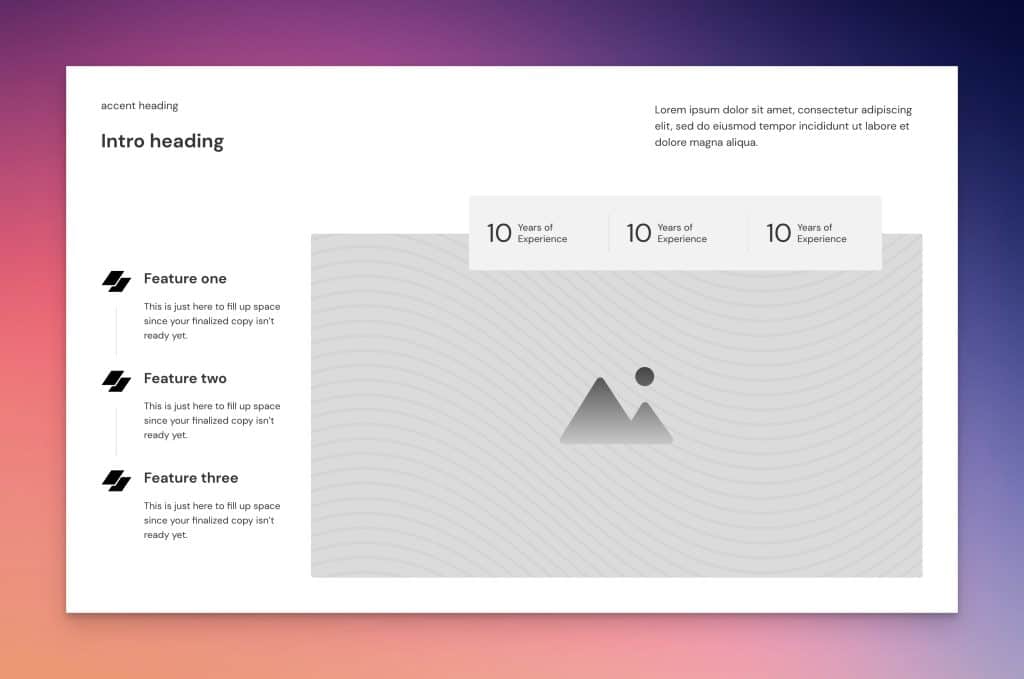
Creating a website that balances efficiency, creativity, and profitability is a challenge every agency owner and freelancer faces. The traditional approach often involves disjointed steps, redundant processes, and wasted time. However, by adopting a structured yet flexible process—like the one outlined here—you can deliver stunning websites faster, with less hassle, and with greater control over the final product.
This guide explores a proven method for designing websites that are not only visually appealing but also built with precision and accessibility in mind. It emphasizes how leveraging the right tools and workflows can transform your web development process from a cumbersome chore into a smooth, enjoyable experience. Whether you’re just starting out or looking to optimize your current workflow, understanding this process can help you achieve better results and higher client satisfaction.
Step #1: Wireframing (UX Design)
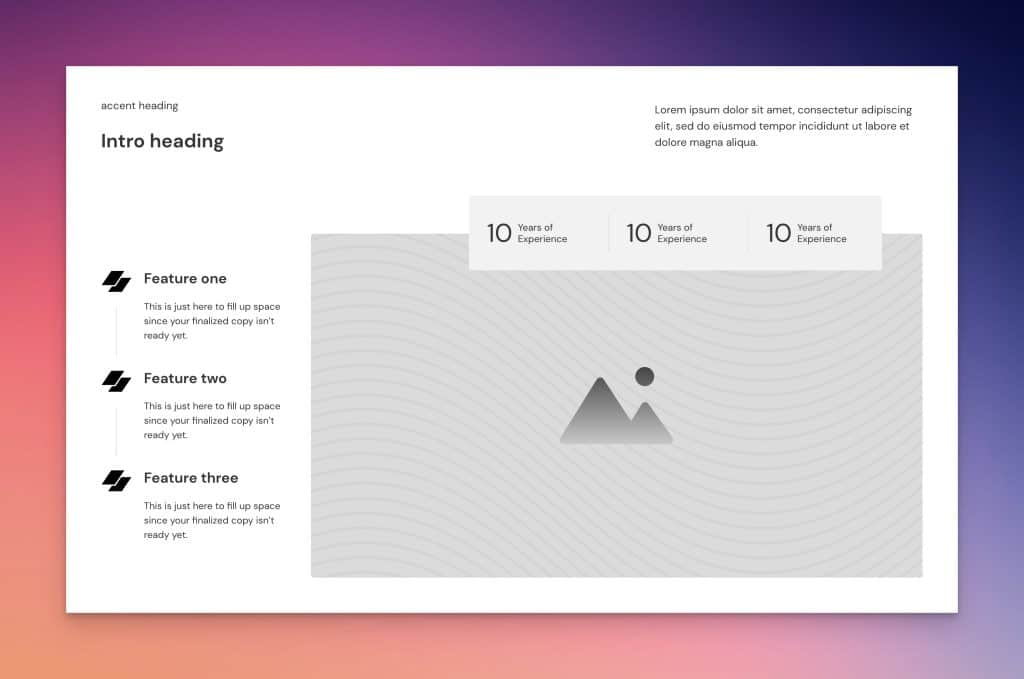
Key insights: Wireframing is an essential phase in web design, serving as the blueprint for the entire site. It enables you to fine-tune the layout, content flow, and user experience before moving into detailed design or development. This early stage helps identify potential issues and gather client feedback, saving time and reducing revisions later on.
Traditional approach: Previously, wireframes were created using separate design tools like Figma or Adobe XD. This often meant additional skills, longer timelines, and a disjointed workflow since the wireframes existed outside the development environment, leading to inefficiencies and increased costs.
Modern approach: With Frames, wireframing becomes an integrated part of the development process, eliminating the need for extra tools. The platform allows you to create wireframes directly within your workflow, with 75% of the development work already completed through preconfigured, BEM-organized classes. This setup streamlines the process, making it easier to maintain a clean codebase and adapt designs swiftly.
Adding a frame is straightforward, and removing it is just as simple if your needs change. Modifier classes enable you to reuse and customize frames effortlessly, fostering modularity. When presenting wireframes to clients, they see a functioning, mobile-optimized website rather than a static sketch, making the review process more engaging and effective.
Pro tip: Position wireframing as the first step in every project, charging between $50 and $500 per page depending on complexity. Using a platform like Frames simplifies this task, turning it into a reliable revenue stream.
Step #2: Copywriting & Content Development
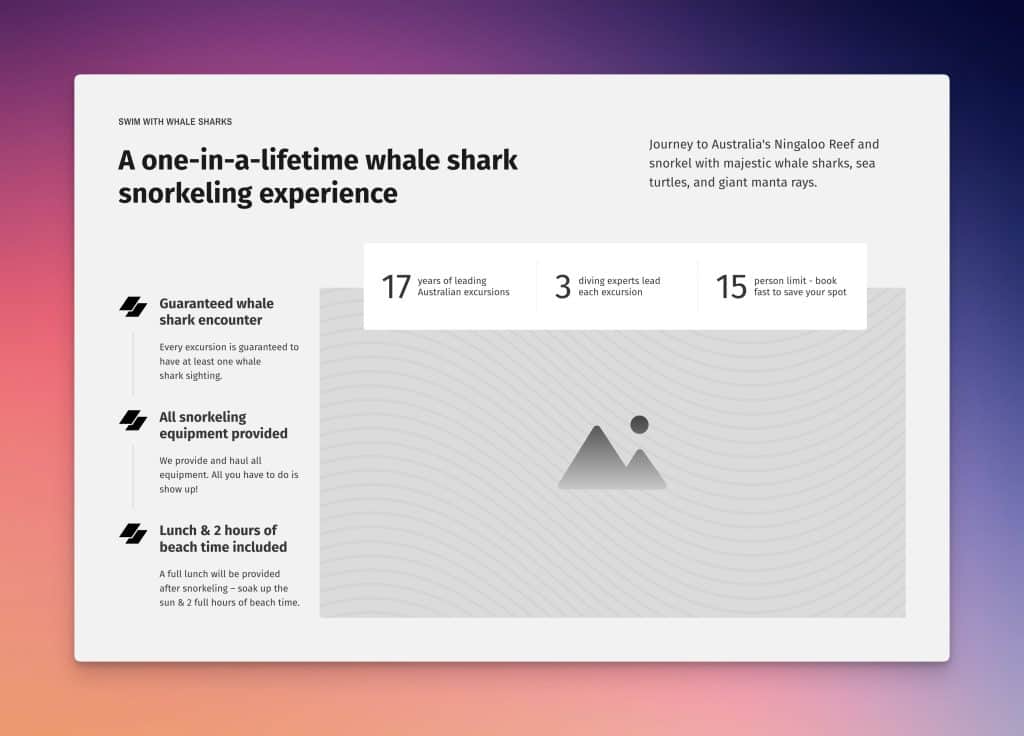

Key insights: Content is the backbone of any successful website. Visual design and layout are important, but without compelling copy, conversions suffer. Delivering content late in the project often causes delays and compromises quality.
Traditional approach: Content was either inserted into third-party design tools or compiled into simple documents, then integrated during development—an often inefficient and error-prone process.
Modern approach: Frames uses placeholder content within each frame, allowing writers and content creators to work directly within the platform. This means copy can be developed early, with no need for technical expertise, and swapped out seamlessly when ready. Early content development helps determine the necessary sections and their order, ensuring a logical flow.
Flexibility remains a hallmark of this process. If additional sections or layout adjustments are needed later, simply drop new frames onto the page and style them to match existing designs. This adaptability saves time and keeps projects moving smoothly.
Step #3: UI Design
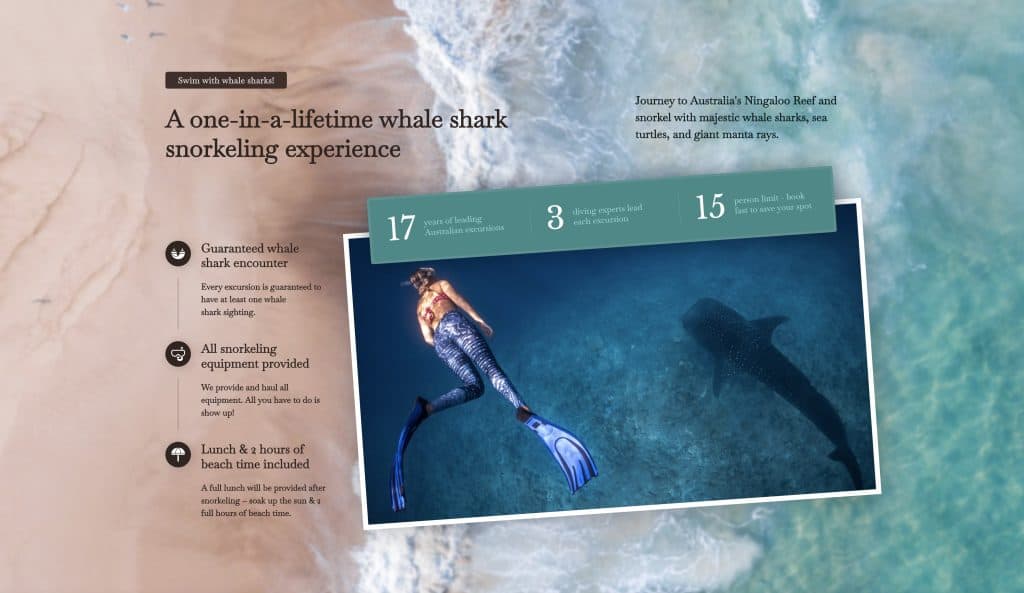

Key insights: UI design focuses on aesthetics—the visual elements, branding, and overall look and feel that captivate visitors. Effective UI design enhances user engagement and leaves a lasting impression, crucial for branding and conversions.
Traditional approach: Designers often work in dedicated tools, creating static mockups to pass along to developers, or they design directly within the development environment, which can be inefficient and inconsistent.
Modern approach: Frames offers a flexible environment where designers can work in their preferred tools or directly within the platform. Since every element is built with organized BEM classes, styling becomes faster, more consistent, and easier to maintain. Whether working in a design app or the builder, the process remains fluid and integrated.
Charging per page for UI design is standard, but what sets Frames apart is its ability to keep the design process flexible without sacrificing quality. The platform’s limitless customization options mean websites built with Frames don’t adopt a uniform “look,” allowing for unique, diverse portfolios.
Step #4: Responsive, Accessible, Quality Development
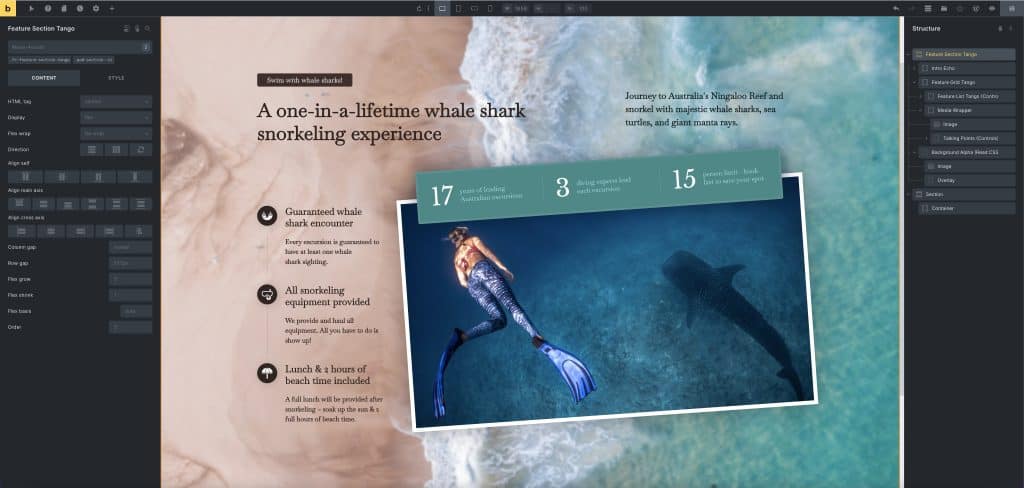

Key insights: The foundation of a great website is clean, compliant coding. Proper HTML5, accessibility standards, and optimized loading speeds are vital for SEO and user experience.
Traditional approach: Development often becomes a separate phase after design and content creation, requiring additional time and effort to ensure responsiveness and accessibility.
Modern approach: With Frames, much of the development work—responsive behavior, accessibility features, and HTML5 compliance—is automated once the design is finalized. The platform generates a codebase that meets modern standards, allowing you to launch with confidence. This integrated process reduces redundancy and accelerates project timelines.
Many freelancers and agencies hesitate to invest heavily in UX and UI design because it can feel repetitive. However, this approach ensures you don’t have to redo work during development, saving time and reducing errors. The final website looks and functions perfectly across devices without extra coding.
Wrap-Up & Additional Benefits
By streamlining the traditional four-step web design process into a cohesive three-phase workflow, Frames enhances efficiency and scalability. If you previously skipped steps to save time, now you can include them effortlessly, opening avenues for additional revenue.
- Wireframing (UX Design): $50 to $500 per page
- Copywriting & Content: $0.10 to $0.80 per word
- UI Design: $50 to $500 per page
Beyond these cost savings, several advantages stand out:
Focus on Creativity
Frames handles the technical heavy lifting—ensuring accessibility, compliance, and layout construction—so you can devote your energy to the creative aspects of web design. This not only improves the quality of your sites but also makes the process more enjoyable.
Room for Innovation
The modular nature of Frames means you can experiment with new layouts easily. It introduces fresh ideas into your workflow, incorporating innovative concepts quickly without starting from scratch. This flexibility allows you to offer more diverse and distinctive websites.
Superior Coding Standards
Most websites built by hand contain minor coding issues, especially regarding accessibility and semantic HTML. Using Frames often results in cleaner, more compliant code than manual efforts, elevating your work’s professionalism.
Questions about optimizing your workflow or integrating new tools? Explore how to boost your serverless framework skills or learn key web design principles to create more engaging sites. Staying ahead of future web design trends ensures your work remains relevant, and adopting strategic methods can help you elevate your business with effective web strategies.