


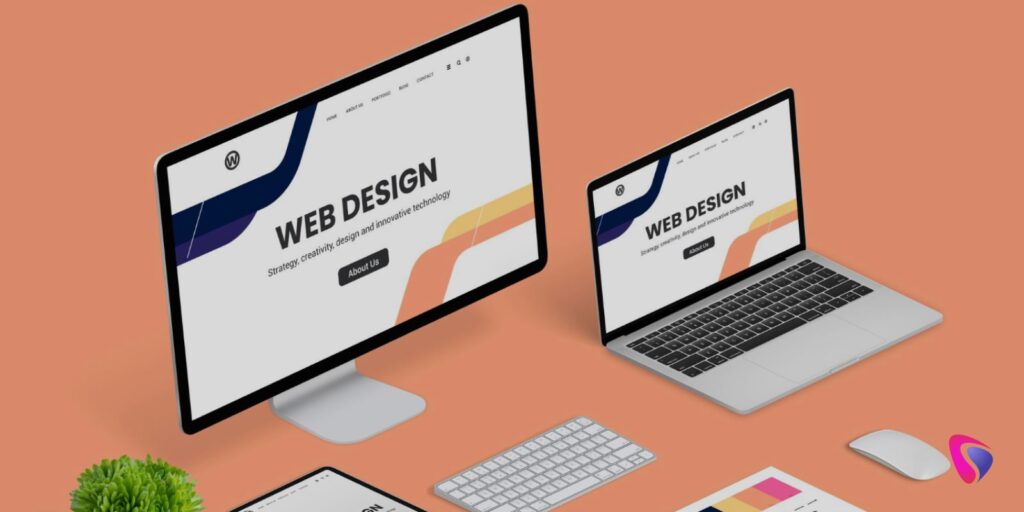
In today’s fast-paced digital landscape, establishing a compelling online presence has become essential for businesses aiming to stay competitive. Your website serves as the primary touchpoint for potential clients, often forming their first impression of your brand. A well-crafted website not only enhances your visibility but also builds trust, encourages engagement, and ultimately leads to increased conversions. Effective web design and development are the cornerstones of delivering a seamless user experience, aligning your digital platform with your business objectives, and standing out in a crowded marketplace.
Partnering with a professional web development team ensures your site is aesthetically appealing, responsive across all devices, and optimized for search engines. This strategic investment can significantly impact your brand’s credibility, customer retention, and revenue growth. Let’s explore the vital aspects of web design and development and how they influence your business’s trajectory.
What Are Web Design and Development?
Web design and development encompass the comprehensive process of creating, building, and maintaining a website that is both attractive and functional. Web development involves coding and programming to give your site its structure and features, while web design focuses on the visual elements—color schemes, layout, graphics—and user interface to ensure a pleasing and intuitive experience. Together, these disciplines aim to produce a site that not only looks great but also offers smooth navigation, quick loading times, and responsive features that adapt to various devices.
A business’s website is more than just a digital brochure; it is a strategic tool that facilitates customer interaction, supports marketing efforts, and drives sales. Integrating best practices in web design and development can help your business stand out and foster long-term growth.
Significance of Web Design and Development for Business Achievement
In an era where digital presence is paramount, your website often acts as the company’s storefront. Its design and functionality directly influence customer perceptions, engagement levels, and purchasing decisions. A professionally developed website can turn visitors into loyal customers and establish your brand’s credibility.
Here are key reasons why investing in quality web design and development is crucial:
1. Creating a Memorable First Impression
Most potential clients form their initial opinion of your business within seconds of visiting your site. A visually appealing, well-structured website with consistent graphics and straightforward navigation instantly conveys professionalism and reliability. Elements such as high-quality images, cohesive themes, and clear menus foster trust and encourage visitors to explore further.
Hiring experienced web developers and designers ensures your website accurately reflects your brand identity and provides an engaging experience that resonates with your audience. Skillful professionals handle all aspects—from layout to aesthetic details—laying a solid foundation for meaningful interactions.
2. Improving User Experience (UX)
A user-centric design is fundamental to retaining visitors and guiding them through their journey on your site. An intuitive interface that is easy to navigate, aesthetically pleasing, and responsive across devices keeps users engaged and increases the likelihood of conversions.
Mobile responsiveness has become more critical than ever, as most users access websites via smartphones and tablets. Web developers employ responsive design techniques to ensure your site functions flawlessly on different screen sizes, thus improving accessibility and SEO rankings.
Streamlined navigation helps users find relevant information quickly, reducing frustration and bounce rates. Incorporating clear menus and logical pathways encourages visitors to stay longer and explore your offerings more thoroughly. Engaging UI/UX design professionals can craft interfaces that convert casual visitors into loyal customers.
3. Building Credibility and Trust
A well-designed website reflects your brand’s professionalism and reliability. Features such as fast loading times, secure connections (via SSL certificates), and consistent branding elements foster confidence among visitors. A secure and efficient website reassures users that their personal data is protected, which is especially vital for eCommerce platforms and data-sensitive sites.
Search engines prioritize secure, fast-loading websites, which also enhances your SEO efforts. Collaborating with experienced developers ensures your site adheres to security standards and performs optimally from the outset, establishing a trustworthy online reputation.
4. Increasing Conversion Rates and Return on Investment (ROI)
Your website is a powerful tool for driving sales and achieving marketing goals. Well-designed landing pages with targeted content and clear calls-to-action (CTAs) can significantly boost conversion rates. Small design adjustments—like prominent CTA buttons or persuasive headlines—can have a profound impact on user behavior.
Analytics-driven design approaches help optimize landing pages and streamline the path to purchase or inquiry. Effective placement of CTAs and personalized content guide visitors towards desired actions, such as making a purchase or subscribing to updates, maximizing your ROI.
5. Standing Out in a Competitive Marketplace
With millions of websites online, differentiation is essential. Custom, branded designs featuring unique visuals and interactivity can set your business apart. A distinctive digital presence, aligned with your brand’s USPs (Unique Selling Points), attracts and retains your target audience.
Partnering with skilled developers allows you to translate your brand’s personality into a compelling website that captures attention and encourages repeat visits. Proper positioning and a memorable design can give you a competitive edge and help you expand your market share.
Web design and development are fundamental to a company’s success. A strategically built website enhances user experience, increases conversions, strengthens credibility, and makes a lasting impression. Collaborating with proficient developers helps your business adapt to evolving needs and sustain growth.
Core Components of Effective Web Design and Development
To ensure long-term success, a website must be visually appealing, highly functional, and optimized for search engines. Achieving this requires a blend of technical expertise, creative design, and strategic planning. Here are the essential elements that contribute to a successful website:

1. Responsive and Adaptive Design
In a multi-device world, websites must automatically adjust to different screen sizes. Responsive design ensures content displays correctly on desktops, tablets, and smartphones by dynamically resizing and rearranging elements. This adaptability enhances usability and is favored by search engines, which prioritize mobile-friendly sites.
Implementing best practices in responsive design is vital for reaching a broader audience and improving SEO performance.
2. User-Friendly Navigation and Interface
An intuitive navigation system helps visitors find what they need effortlessly. Logical menus, clear labels, and consistent layouts across pages foster a seamless browsing experience. Simplified interfaces reduce bounce rates and encourage longer stays on your site.
UI/UX professionals focus on creating logical pathways, ensuring that users can easily access relevant information and complete desired actions.
3. SEO-Optimized Structure
An aesthetically pleasing website must also be discoverable. Incorporating SEO best practices—such as clean code, optimized images, descriptive meta tags, and logical URL structures—improves your site’s visibility on search engines.
Proper site architecture and strategic keyword placement help your pages rank higher, attracting organic traffic and increasing your online presence.
4. Speed and Performance Optimization
Fast-loading websites significantly enhance user experience and conversion rates. Techniques like image compression, code minification, and content delivery networks (CDNs) help reduce load times.
Research indicates that even a one-second delay can cause a noticeable drop in conversions. Ensuring optimal performance is a critical aspect of web development.
5. Security and Privacy Measures
Security features such as SSL certificates, firewalls, and regular software updates protect your site and user data. For eCommerce and sensitive platforms, security is non-negotiable, fostering trust and complying with regulations like GDPR.
Secure websites rank better in search results and reassure visitors about their safety.
6. Effective Calls-to-Action and Conversion Elements
Strategically placed CTAs guide visitors towards specific goals—whether purchasing, subscribing, or contacting your team. Well-designed buttons, persuasive copy, and targeted landing pages increase engagement and conversions.
Personalized, relevant content tailored to your audience enhances the likelihood of achieving your marketing objectives.
7. High-Quality Content and Visuals
Compelling visuals coupled with informative, engaging content create a professional appearance and foster trust. Visual hierarchy directs attention to key information, while multimedia elements like videos and interactive features boost engagement.
A balanced combination of aesthetics and substance results in a website that not only attracts visitors but also encourages them to act.
How Web Design and Development Influence Business Outcomes
A robust online presence directly influences your brand’s growth and reputation. Here are the primary ways effective web design and development impact your business:
1. Strengthening Brand Image and Authority
A polished website reflects your professionalism and builds credibility. Consistent visual branding—colors, fonts, logos—reinforces your identity and makes your business memorable.
A visually appealing, trustworthy site encourages visitors to view your company as an industry leader.
2. Enhancing User Engagement and Satisfaction
A site that is easy to navigate, fast, and visually pleasing keeps visitors engaged. Satisfied users are more likely to convert and become repeat customers.
Implementing engaging interfaces and personalized experiences increases the likelihood of long-term loyalty.
3. Improving Search Engine Rankings and Visibility
Integrating SEO strategies into web design ensures your site ranks higher in search results. Better visibility attracts more organic traffic, which translates into increased leads and sales.
Optimized architecture, fast performance, and quality content are key factors in achieving top rankings.
4. Increasing Conversion Rates
Well-designed websites with clear CTAs and user-centric layouts guide visitors towards desired actions. This targeted approach boosts conversion rates, resulting in higher sales and ROI.
Strategic landing pages tailored to specific campaigns further enhance effectiveness.
5. Fostering Customer Loyalty and Trust
A consistently excellent user experience encourages repeat visits and word-of-mouth referrals. Building trust through secure, reliable, and valuable interactions sustains your customer base and amplifies reputation.
Long-term loyalty translates into sustained revenue growth.
6. Gaining Competitive Advantage
An innovative, customized website differentiates your brand from competitors. Investing in cutting-edge design trends and technologies ensures your online presence remains relevant and appealing.
A well-optimized site supports scaling efforts and adapts to evolving market demands.
Emerging Trends in Web Design and Development
Staying ahead requires embracing the latest innovations. Here are current trends shaping the future of websites:
- Dark Mode and Minimalism: Popular for energy efficiency and aesthetic appeal, these designs focus on simplicity and clarity.
- AI Personalization: Tailoring content and interfaces based on user behavior increases engagement.
- Voice Search Optimization: Preparing websites for voice commands enhances accessibility.
- Motion UI and Micro-Interactions: Subtle animations enrich user interactions and provide feedback.
- Progressive Web Apps (PWAs): Deliver app-like experiences with offline capabilities and fast load times.
- Advanced Typography and Variable Fonts: Improve readability and aesthetic flexibility.
- Augmented Reality (AR): Interactive features like virtual try-ons improve customer experience, especially in retail.
- No-Code and Low-Code Platforms: Accelerate development cycles and reduce costs, making web creation accessible to more businesses.
Partnering with experts proficient in these domains ensures your website remains competitive and aligned with industry innovations.
Advantages of Collaborating with a Skilled Web Development Partner
Engaging with a reputable company like Hyperlink Infosystem provides numerous benefits:
- Customized solutions tailored to your brand.
- Enhanced user experience through expert design.
- Robust security features to protect your data.
- Responsive design for all devices.
- SEO-optimized architecture for better visibility.
- Accelerated project timelines.
- Ongoing support and maintenance.
- Scalable frameworks for future growth.
- Integration of the latest technologies and analytics tools.
Such partnerships empower your business to leverage digital opportunities effectively and sustainably.
Final Thoughts
In an increasingly digital world, having a professionally designed website is no longer optional—it is a vital component of business strategy. A well-executed web presence enhances your brand’s credibility, improves user engagement, and drives long-term growth. By collaborating with experienced developers and staying abreast of emerging trends, your business can create a dynamic, user-friendly platform that propels you ahead of competitors.
Investing in expert web development not only provides immediate benefits but also lays a solid foundation for future expansion and success.
Frequently Asked Questions
Why is website design and development critical for your business?
A professionally crafted website boosts your online visibility, builds customer trust, and creates a positive impression that encourages engagement and sales.
What advantages does having a website offer to a business?
A website increases customer confidence, facilitates product and service promotion, simplifies customer discovery, and helps grow your revenue streams.
Why should your business opt for a custom website design?
A tailored website aligns perfectly with your brand identity, offers a unique user experience, and effectively addresses your specific business needs. For expert customization, consider partnering with a dedicated web development company like Hyperlink Infosystem.
What are the primary objectives of a business website?
Key goals include establishing an online presence, attracting and educating visitors, showcasing products or services, generating leads or sales, and providing customer support.