


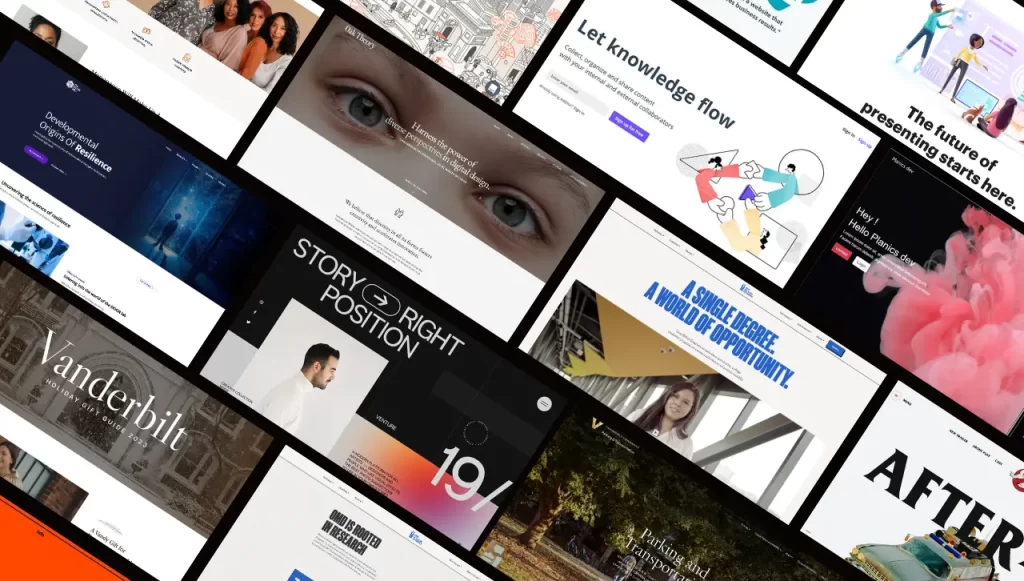
The landscape of web design has experienced rapid and profound changes over the past few years. As technology advances at an unprecedented pace and user expectations evolve, the industry continually shifts toward more sophisticated, inclusive, and engaging digital experiences. From aesthetic innovations to accessibility breakthroughs, understanding these shifts is essential for anyone aiming to create effective websites today. Whether you’re interested in the history of design trends or looking ahead to what the future holds, exploring this evolution reveals how web design is shaping the digital world of tomorrow.
Web design has undergone a remarkable transformation over the last five years. The rapid pace of technological advancements and shifting user expectations have driven the industry toward new frontiers, continuously shaping web design trends.
From the rise of AI to the growing emphasis on diversity, inclusion, and accessibility, these changes have redefined what it means to create a successful website today.
In this article, we’ll explore the key evolutions we’ve noticed as a web design agency over the past decade, where we were five years ago, and where we think we’re headed.
Wayback Machine: Where We Were 5 Years Ago
Reflecting on the mid-2010s, web design was characterized by a focus on visual appeal and minimalism, often prioritizing aesthetics over functionality or accessibility. Websites commonly featured flat design with clean, straightforward layouts emphasizing simplicity and speed. Bold, large typography—often Helvetica or similar fonts—commanded attention, while vibrant colors ensured visual engagement.
Remember the trend of liquid or smoke-inspired abstract images that graced many sites? Those soothing visuals aimed to create a calming browsing experience, but often lacked the functionality necessary for optimal user engagement.


Image Source: https://additor.io/ (circa 2019)
During this period, mobile-first design was beginning to influence development, but most websites still prioritized desktop experiences, treating mobile optimization as an afterthought. Asymmetrical layouts started to challenge traditional grid systems, adding visual interest and breaking away from uniformity. Whitespace was generously used to foster clarity and calmness, while custom illustrations and micro-interactions brought personality and delight to users’ interactions.
Despite these visually appealing elements, user engagement metrics revealed a disconnect: a significant portion of visitors bounced from websites quickly, indicating that aesthetics alone weren’t enough to retain attention.
According to aggregated data from numerous studies, the average bounce rate from 2018 to 2023 hovered around 55.43%, suggesting that many stylish designs still struggled to effectively engage audiences. (Source: BusinessDIT)
Current Web Design Trends: What 2024 Looks Like
Today, web design emphasizes creating seamless, inclusive, and accessible digital environments. The focus has shifted from purely aesthetic considerations to user-centric features that enhance overall experience. Some of the most prominent trends include:
Dark Mode and Micro-Interactions
Dark mode has become a standard feature, not only because it looks sleek but because it reduces eye strain and conserves device battery life. Micro-interactions—subtle animations that respond to user actions—add layers of interactivity and delight, making browsing more engaging without overwhelming the user. These features work together to improve usability and foster a more personalized experience.

Image Source: dribbble.com/Tomasz Mazurczak
Sustainable Web Design
As environmental concerns grow, sustainable web design has gained importance. This approach involves building websites that are energy-efficient and environmentally friendly by optimizing images, streamlining code, and choosing green hosting services. (Source: Good Firms) The goal is to minimize digital carbon footprints while maintaining high performance standards. For more insights, explore the Green Web Foundation.
Diversity, Inclusion, and Accessibility
A significant shift is underway toward designing websites that respect and reflect diverse audiences. Accessibility has transitioned from a niche concern to a core aspect of web development, with features like keyboard navigation, screen reader compatibility, and high-contrast color schemes becoming standard. According to the U.S. Web Design System, inclusive design not only meets legal requirements but also broadens reach and fosters equity within digital spaces.
Accessibility: A New Standard
The importance of accessible design continues to grow, as highlighted in the State of Digital Accessibility Report 2023-2024 by Level Access. The report indicates that 72% of organizations now have formal accessibility policies, with 85% viewing accessibility as a competitive advantage. Prioritizing features such as color contrast and navigability ensures websites are usable by everyone, regardless of abilities.
These trends demonstrate a broader move toward user-centric design, emphasizing inclusivity and functionality. But one game-changing development stands out—artificial intelligence.
The Elephant in the Design Studio: AI and Web Design
AI is revolutionizing how websites are created and optimized. Just a few years ago, the idea of AI-driven tools tailoring website layouts to individual visitors seemed futuristic. Now, these tools analyze user behavior in real time, offering intelligent suggestions that enhance engagement and retention.
Tasks like image cropping, content optimization, and personalization—once tedious and time-consuming—are now handled efficiently by AI, freeing designers to focus on strategic creativity. This shift not only improves aesthetic quality but also enhances accessibility and user satisfaction.
For businesses, AI-driven web design means more effective websites that convert visitors into loyal customers. As AI capabilities expand, its influence on web development will only intensify, making it an indispensable asset for brands aiming to stay competitive.
The Future of Web Design: Where We Are Headed in 2029
1. The Dominance of AI
By 2029, artificial intelligence is expected to be the cornerstone of web design, automating complex tasks and enabling truly personalized digital experiences. AI tools will not only generate layouts but also optimize accessibility and inclusivity, creating environments that adapt seamlessly to individual needs.
2. Immersive User Experiences
Emerging technologies like augmented reality (AR) and virtual reality (VR) will become commonplace on websites. Imagine virtual try-ons for fashion or 3D walkthroughs of real estate—these immersive experiences will redefine online engagement and interaction.
3. Emphasis on Diversity and Inclusivity
Designing for a globally diverse audience will be non-negotiable. Future websites will dynamically adapt content for cultural nuances, languages, and varying levels of digital literacy, fostering a more equitable online ecosystem.
4. Self-Service Web Design and Professional Expertise
While DIY website builders will empower more individuals to create their own sites, the demand for skilled web designers will remain strong. Advanced customization, branding, and user experience optimization will require professional intervention, ensuring websites stand out in a crowded digital landscape.
Partnering with a Forward-Thinking Web Design Agency
Staying ahead of these trends is vital for brands seeking meaningful engagement across diverse audiences. At Oak Theory, we focus on creating inclusive and innovative digital experiences rooted in diversity, equity, and accessibility. Our mission is to develop websites that resonate deeply with all users, fostering lasting connections and driving success.
Learn more about how to effectively approach web development by exploring this comprehensive guide, or delve into the key steps to achieve impactful web design. To master the critical phases that ensure your site’s success, check out this resource on essential web design stages. Reach out today to discover how we can help you bridge innovation and inclusivity for your digital future.