


Navigating the world of web design packages in 2026 requires a clear understanding of what modern solutions offer, how they can propel your business forward, and which options align best with your unique goals and budget. As digital presence becomes increasingly vital, choosing the right package can be the difference between a captivating, high-performing website and one that fails to engage visitors. This comprehensive guide breaks down the key elements of web design packages today, helping you make informed decisions that will elevate your brand and ensure long-term success.
Understanding Web Design Packages in 2026
In the rapidly evolving digital landscape of 2026, businesses are presented with a multitude of web design packages, each claiming to deliver exceptional online presence. Grasping how these packages are structured, what features they include, and how they differ from one another is crucial for making a strategic investment. These packages are designed to streamline the process, offering bundled services that cover everything from initial concept to ongoing maintenance, allowing businesses to avoid the chaos of managing multiple vendors or custom solutions. Recognizing whether a package suits your industry-specific needs or growth plans can significantly impact your website’s effectiveness and your overall ROI.


What Are Web Design Packages?
Web design packages are comprehensive service bundles that combine essential website components under a single, cohesive solution. Instead of contracting individual services for design, development, SEO, and support separately, these packages provide a unified approach, saving time and simplifying the decision-making process. They typically include predefined features and deliverables, making it easier to compare options and understand exactly what you’re paying for.
Unlike custom-built websites tailored precisely to your business’s unique requirements—which can be more costly and time-consuming—packages strike a balance by offering professional quality, scalability, and convenience. For small to medium-sized enterprises looking to launch or upgrade their online presence efficiently, these solutions are increasingly sophisticated. Popular branding like “Web Pro,” “Web Plus,” or “Web Elite” often denote different tiers, each offering a specific set of features suited to various budgets and needs.
Key Components Included in Modern Packages
Modern web design packages are now more inclusive than ever, reflecting industry standards and client expectations. They often encompass:
- Design: Custom layouts aligned with your brand identity, incorporating logos, color schemes, and UI elements crafted for optimal user engagement and mobile responsiveness.
- Development: Integration with content management systems such as WordPress or Webflow, eCommerce functionality, and interactive features that enhance user experience.
- Optimization: Built-in search engine optimization (SEO), structured data (schema markup), image compression, and techniques to ensure fast page load times.
- Extras: Additional features like hosting services, live chat or chatbots, reputation management tools, social media integration, email marketing setup, and analytics dashboards.
In 2026, accessibility, security, and scalability have become baseline expectations. For instance, many packages now include video production, copywriting, and advanced analytics, reflecting a holistic approach to digital marketing. Industry data indicates that over 80% of businesses prioritize mobile responsiveness and SEO in their web design packages, emphasizing the importance of these features for competitive advantage.
If affordability remains a concern, exploring budget-friendly SEO web design options can help you find packages that deliver value without sacrificing quality.
Types of Web Design Packages (Custom vs. Pre-Built)
Understanding the distinction between custom solutions and pre-built packages is vital when selecting a web design service:
-
Custom Solutions: These are tailor-made websites created from scratch, specifically designed to meet your unique business goals, branding, and functional requirements. They offer complete control over design and features but come with higher costs and longer timelines. Custom packages are ideal for organizations with complex needs, regulatory compliance concerns, or those seeking a distinctive online identity.
-
Pre-Built or Packaged Solutions: These involve selecting from a set of predefined templates and features that can be customized to some extent. They are generally faster and more budget-friendly, making them suitable for startups, small businesses, or organizations that need a quick launch. These packages often include scalable options and ongoing support.
| Solution Type | Advantages | Limitations |
|—|—|—|
| Custom | Unique design, tailored functionality, full control | Higher cost, longer development time |
| Pre-built | Cost-effective, faster deployment, scalable | Limited customization, may require future upgrades |
For example, firms like Arch Web Design specialize in tailored solutions for specific industries, ensuring the package fits unique operational needs. Meanwhile, many providers now include ongoing support and updates within their packages, simplifying maintenance and future upgrades.
Choosing between a custom or pre-built package largely depends on your business’s size, industry complexity, and growth ambitions. Both options can be effective if they come with clearly defined deliverables and support commitments.
Pricing Models & What Determines Cost
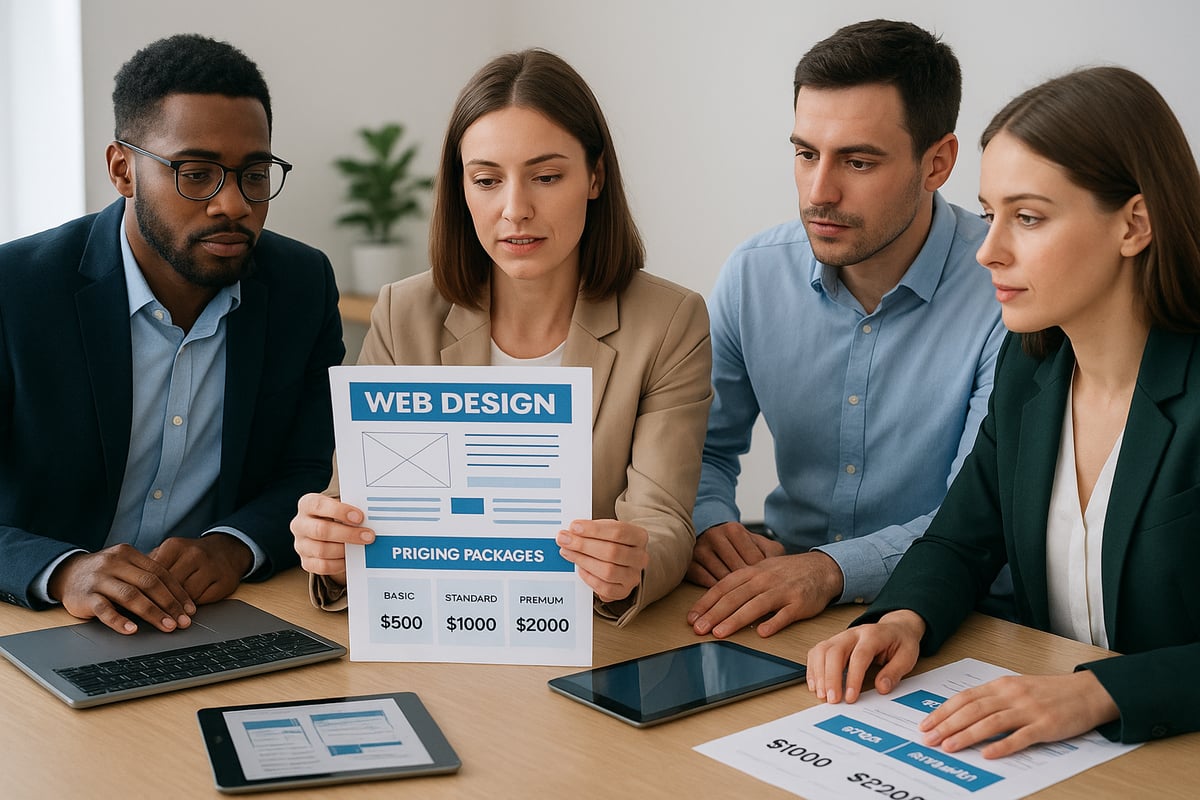
In 2026, transparent and flexible pricing models are key to making informed choices about web design packages. Understanding how costs are calculated helps prevent surprises and ensures your investment aligns with your business objectives.
Common Pricing Structures in 2026
The prevalent pricing models include:
- Fixed-Price Packages: These offer tiered options, such as $3,500, $5,000, or $7,500, each with a defined scope of features and deliverables. They provide predictability and simplicity but may lack flexibility for extensive customization.
- Hourly or Project-Based Rates: Suitable for highly customized or complex projects, billed according to time spent and project scope. They offer flexibility but can be less predictable in total costs.
- Subscription or Retainer Models: Provide ongoing support, updates, and maintenance through monthly or annual fees. This approach ensures your website remains current, secure, and optimized over time.
| Model | Pros | Cons | Best For |
|—|—|—|—|
| Fixed-price | Budget certainty, straightforward | Less adaptable to changes | Small to medium projects with clear scope |
| Hourly/Project | Flexibility, tailored solutions | Cost unpredictability | Complex or evolving projects |
| Subscription | Continuous support, scalability | Ongoing expense | Businesses requiring regular updates |
Agencies like Foxxr now emphasize transparent pricing, clearly outlining what each tier includes, which helps clients assess value effectively. For detailed industry benchmarks, consult resources like Web Design Package Pricing Insights, which highlight typical costs and deliverables across various tiers.
Factors That Influence Pricing
Several key elements influence the final cost of web design packages:
- Number of Pages: More pages require additional design, development, and content integration efforts.
- Design Complexity: Custom graphics, animations, and advanced UI/UX features increase costs.
- Features and Functionality: eCommerce, booking systems, chatbots, and third-party integrations add to the price.
- CMS Platform: Licensing fees or platform-specific costs (e.g., Webflow, Shopify) impact overall expenses.
- Customization Level: Fully bespoke designs are more expensive than template-based solutions.
- SEO & Marketing: On-page SEO, schema markup, and marketing integrations often incur separate fees.
- Hosting and Maintenance: Some packages bundle hosting and security, while others bill these separately.
Industry data shows that around 60% of small businesses opt for packages under $5,000, but larger enterprises or those with extensive features can expect higher investments.
How to Evaluate Value vs. Cost
Choosing the best web design package involves more than comparing prices. Focus on:
- Return on Investment (ROI): Look for guarantees related to conversion improvements or traffic growth.
- Transparency: Ensure providers clearly specify deliverables, timelines, and revision policies.
- Hidden Fees: Clarify costs for extras like revisions, content creation, or ongoing support.
- Long-term Support: Packages that include maintenance and updates tend to offer better value and stability.
- Scalability: Opt for solutions that can grow with your business, avoiding costly redesigns later.
Prioritize providers who demonstrate a commitment to your success rather than just offering the lowest upfront price.
Essential Features to Look For in 2026
A modern web design package should deliver features that ensure your website is not just visually appealing but also highly functional, accessible, and optimized for growth. Here are the core elements to prioritize:
Must-Have Design & UX Elements
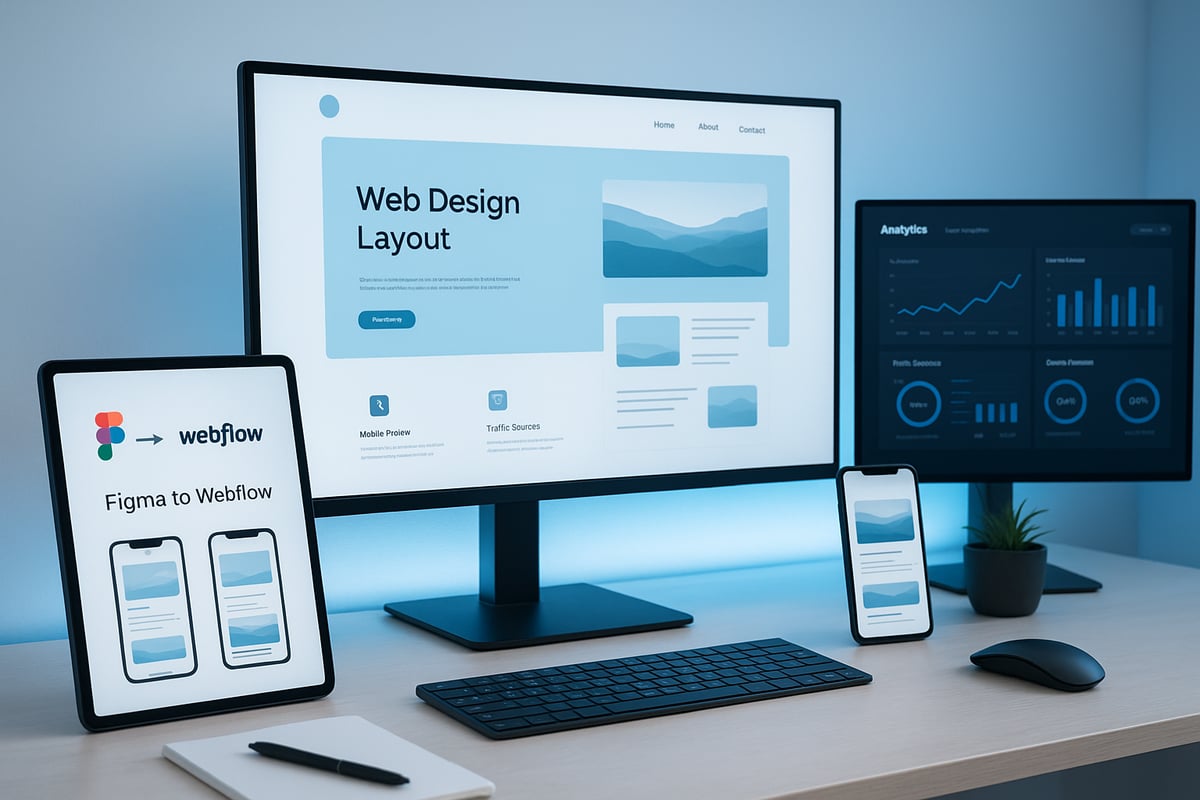
Responsive, mobile-first design is non-negotiable in 2026, given that over 70% of users access websites primarily via smartphones. Your package should include:
- Custom, visually compelling layouts aligned with your branding
- Seamless navigation and accessibility features compliant with WCAG standards
- Interactive elements like animations, sliders, and micro-interactions to engage visitors
- Integration of branding assets, such as logos and color palettes, for consistent identity
- The ability to easily update or scale UI/UX components as your business evolves
Design systems that incorporate UI/UX best practices facilitate future updates, making your website adaptable and user-centric.
SEO & Performance Optimization
A website’s success also hinges on its discoverability and speed:
- Built-in SEO features like keyword optimization, schema markup, and fast loading times (under 2 seconds)
- Compatibility with Google Analytics and Search Console for performance monitoring
- Image optimization, code minification, and CDN support to enhance speed
- AI-powered tools for ongoing search optimization and content recommendations
Effective SEO and performance enhancements directly influence your visibility, user engagement, and conversion rates.
Conversion & Marketing Integrations
Maximizing visitor engagement and conversions requires integrated marketing tools:
- Clear calls to action (CTAs) and optimized forms
- Lead magnets, email capture, and CRM integrations
- Live chat, chatbots, and social media feeds
- Reputation management tools to monitor online reviews
- Features supporting marketing campaigns, such as event calendars or booking systems
These features streamline lead generation and nurture ongoing customer relationships.
Ongoing Support, Maintenance, and Scalability
A website’s launch is just the beginning. Look for packages that include:
- Managed hosting with security, backups, and performance monitoring
- Regular updates, bug fixes, and platform upgrades
- Modular, scalable architecture for future features and content
- Proactive support teams that respond swiftly to issues
Such comprehensive support reduces downtime, enhances security, and ensures your website remains aligned with your growth trajectory.
Step-by-Step Guide: How to Choose the Best Web Design Package
Selecting the ideal web design package involves a strategic process. Follow these seven steps to find the perfect fit for your business in 2026:

Step 1: Define Your Goals and Audience
Clarify your primary objectives—be it branding, lead generation, eCommerce, or community outreach. Understanding your target audience’s preferences and expectations will help you select a package with the right features and design approach.
Step 2: Set Your Budget and Timeline
Determine your maximum budget and desired launch date. Consider whether a one-time investment or ongoing support fits your financial planning. A realistic timeline ensures you allocate enough time for content creation, approvals, and revisions.
Step 3: List Required Features and Services
Create a checklist of must-have functionalities:
- E-commerce capabilities
- Content management system (CMS)
- SEO optimization
- Responsive, mobile-first design
- Additional services like copywriting or branding
This list guides your review process and ensures your chosen package meets essential needs.
Step 4: Research and Compare Providers
Investigate agencies offering web design packages that match your criteria. Review their portfolios, case studies, and client testimonials. Compare transparency in pricing and scope. Use comparison tables to visualize strengths and differences, like this:
| Provider | Industry Focus | Price Transparency | Notable Features |
|—|—|—|—|
| Arch Web Design | SaaS, Nonprofit | High | Conversion-focused design |
| Foxxr | SMB, Enterprise | High | AI integration and video |
Step 5: Request Proposals and Clarify Details
Solicit detailed proposals from your top choices. Ask specific questions about deliverables, timelines, revision policies, and ongoing support. Clear communication now prevents misunderstandings during development.
Step 6: Evaluate Value, Not Just Cost
Assess each proposal’s value by considering the scope, quality, support, and potential ROI. Cheaper options may lack essential features or long-term support. Prioritize packages that align with your strategic goals and offer scalability.
Step 7: Finalize Agreement and Prepare for Launch
Review contracts thoroughly, ensuring all deliverables and support terms are clear. Prepare your content and assets in advance. Establish communication channels and milestones to keep the project on track, ensuring a smooth launch and successful website.
Trends & Innovations in Web Design Packages for 2026
The future of web design packages is shaped by cutting-edge technology and changing user expectations:
-
AI and Automation: AI tools now assist in layout creation, content optimization, and personalization, reducing development time and costs. Agencies incorporate AI-powered search and schema markup into standard packages. Learn more about these advancements in redefining web design education for an AI-driven future.
-
Personalization and Industry-Specific Solutions: Packages tailored for sectors like healthcare, SaaS, or eCommerce ensure compliance and audience relevance, offering a competitive edge.
-
Enhanced UX and Accessibility: Mobile-first, WCAG-compliant designs with immersive features improve user engagement and inclusivity. These upgrades are now standard in premium packages.
-
Transparent Pricing and Guaranteed Results: Agencies increasingly offer clear, tiered pricing with performance guarantees, building trust and ensuring measurable ROI.
Embracing these trends ensures your website remains competitive, adaptive, and aligned with evolving digital standards.
What to Expect After Purchase: Maximizing Your Web Design Investment
Once you’ve selected and launched your web design package, the focus shifts to optimization, maintenance, and growth:
-
The Design and Launch Process: Begins with discovery, followed by iterative design, development, testing, and finally, deployment. Clear milestones and regular feedback ensure alignment with your vision.
-
Ongoing Support and Maintenance: Regular updates, security checks, backups, and platform upgrades are critical. Many packages include managed hosting, reducing your technical overhead.
-
Analytics and Performance Tracking: Post-launch, integrated tools like Google Analytics monitor visitor behavior, conversions, and engagement. Regular reporting enables data-driven improvements.
-
Scaling for Growth: Future-proof, modular designs facilitate easy expansion—adding new features, pages, or integrations as your business evolves. This proactive approach safeguards your investment and sustains competitive advantage.
Understanding these stages ensures you’re prepared to leverage your website fully, transforming it from a digital storefront into a powerful business asset. If you’re ready to explore tailored solutions, contact us for a free consultation and discover how expert web design, hosting, and ongoing SEO can drive your success.