Exploring the best SaaS websites can provide invaluable insights into modern design, user experience, and marketing strategies. Whether you’re building a new SaaS platform or revamping an existing one, studying top-performing websites offers inspiration for creating engaging, trustworthy, and conversion-optimized online presence. In this guide, we’ll highlight standout SaaS websites that exemplify innovative features, compelling visuals, and strategic content, helping you understand what makes a SaaS site truly exceptional.
What Defines a High-Quality SaaS Website?
A premier SaaS website communicates clearly who the product is for and what it offers. It combines a sleek, modern aesthetic with intuitive navigation, ensuring visitors quickly find relevant information. Key elements include a compelling homepage that clearly states the value proposition, dedicated product and use case pages, an about section, and resources such as blogs and guides. Effective SaaS sites also integrate social proof, transparent pricing, and resource hubs to guide users through the buyer journey seamlessly.
Furthermore, outstanding SaaS websites leverage SEO best practices, structured content, and engaging visuals to attract organic traffic and foster trust. For example, top sites often feature dedicated comparison pages and resource centers that educate visitors and establish authority in their niche.
Noteworthy SaaS Websites That Set the Standard
Here are some of the most influential SaaS websites to draw inspiration from, each exemplifying different aspects of excellent design and strategy.
1. Adaline
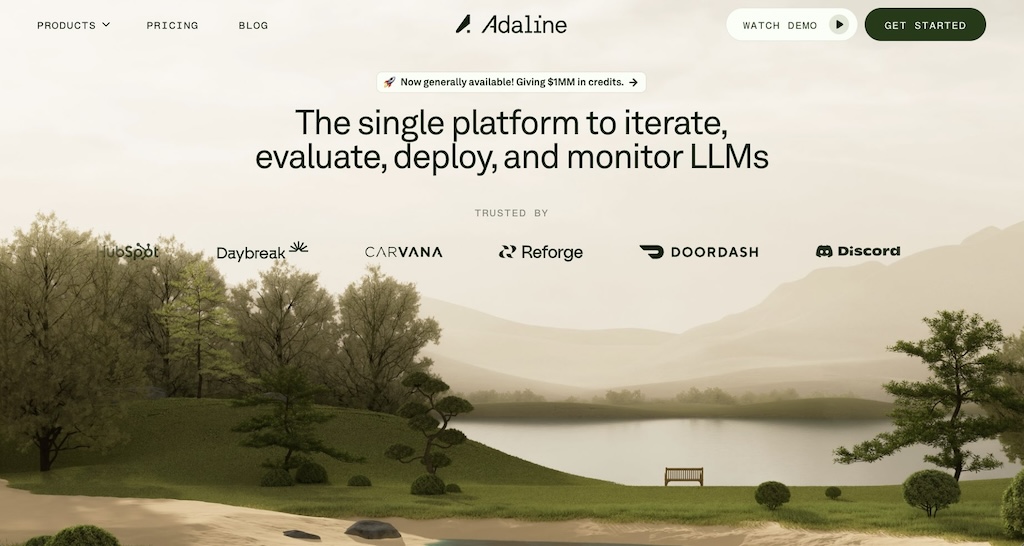
Adaline’s site is a bold example of immersive, creative design. As an end-to-end platform for AI development teams, their website employs captivating parallax scrolling and environmental themes that immediately engage visitors. The navigation is minimal yet purposeful, guiding users effortlessly to core sections like features, pricing, and resources. Their transparent pricing tiers are laid out clearly, fostering trust and helping prospects make informed decisions without the need for contact.
The blog content emphasizes in-depth technical insights, appealing to a sophisticated audience. Every element, from visuals to copy, creates a cohesive brand experience that pushes creative boundaries while remaining professional. For companies aiming to combine innovation with clarity, Adaline is a prime template.
2. Ghost

Originally a simple CMS alternative, Ghost has evolved into a full media and newsletter platform. Their website exemplifies minimalism paired with functionality. The straightforward navbar provides easy access to use cases, resources, and support, while their resource hub and ‘Start here’ guides help new users get onboarded smoothly.
Their transparent pricing structure features clear tiers with interactive sliders, allowing visitors to understand costs relative to usage, which enhances trust. For content-driven SaaS products, Ghost’s site demonstrates how simplicity and clarity can effectively support conversion.
3. Ramp

Ramp, a corporate credit card provider, showcases a clean, airy web design that effectively communicates its value for enterprise clients. The navigation emphasizes their key features and use cases, guiding visitors toward tailored solutions. Their resource section and blog are well-structured to support SEO and thought leadership.
While their pricing isn’t openly displayed, the site encourages visitors to request more information, a strategy often suitable for high-value B2B offerings. It highlights the importance of trust and professionalism in SaaS marketing for large organizations.
4. ClickUp

As a comprehensive project management tool, ClickUp’s website is designed for SEO and user engagement. The navigation categorizes features, use cases, and resource pages, making it easy for diverse audiences to find relevant content. Their blog features articles with detailed tables of contents, providing valuable insights and boosting organic traffic.
Their footer consolidates important links, including comparison pages that rank well in search results, showcasing the power of strategic content placement. Clear, tiered pricing helps users choose plans confidently, illustrating best practices in SaaS pricing layout.
5. Copilot

Copilot offers a client portal SaaS for service providers. Its website emphasizes simplicity, with a compelling headline and supporting visuals that rapidly communicate core benefits. Social proof, feature highlights, and demo videos build credibility.
The navigation is straightforward, covering features, use cases, and resources. Blog articles follow a clean style with clear headings, and their pricing page features a simple, transparent breakdown of plans. This approach demonstrates how clarity and ease of use can enhance conversion rates.
6. Welcome

Welcome specializes in virtual events and webinars. Their site exudes a modern, elegant aesthetic. The homepage features a prominent “how it works” video, instantly conveying value. Their pricing page emphasizes enterprise features, with an FAQ section addressing common questions—an excellent strategy for reducing friction and building trust.
This site illustrates how premium branding combined with clear messaging can position SaaS products as high-end solutions.
7. Spline

Spline, a 3D design tool, uses playful, interactive visuals on its homepage to demonstrate capabilities. The clean navigation and resource hub with documentation encourage engagement. Their minimalistic design aligns with their target audience of designers and developers seeking creative tools.
This example shows how visual storytelling can effectively showcase SaaS features and attract passionate users.
8. Webflow

Webflow is a no-code website builder for designers and marketers. Its site combines a sleek aesthetic with educational content, including a blog with thought leadership articles. The pricing page is detailed, reflecting the platform’s flexible plans.
Their navigation and resource sections are optimized for SEO and user experience, making it a prime example for SaaS websites focused on empowering users with design flexibility.
9. Butter

Butter simplifies team meetings with a colorful, engaging website. The homepage showcases client logos for social proof, with a straightforward navbar linking to features, pricing, and resources. Their pricing page is transparent, with clear tiers and an FAQ to address common questions, boosting conversion.
Design-wise, Butter balances fun and professionalism, demonstrating how personality can enhance SaaS branding.
10. Juno

Juno provides employee benefits solutions. Their site employs vibrant colors and clear messaging. The homepage features customer logos, enhancing credibility. The navbar includes essential links, though resource categorization could be clearer.
Their simple, transparent pricing with feature checklists makes it easy for HR teams to evaluate offerings quickly. For inspiration on straightforward SaaS design, Juno offers a lot to learn.
11. Tranch

Tranch, a finance SaaS, uses playful visuals and bright colors to make expense financing approachable. The homepage emphasizes core benefits with minimal clutter. The FAQ page is particularly well-structured, addressing common concerns through collapsible categories.
While their blog and pricing pages are limited, their clear messaging and engaging design make it a noteworthy example for fintech SaaS.
12. Pipe

Pipe enables startups to access financing through their platform. The site’s minimal design effectively communicates product benefits, social proof, and a prominent CTA. Their navigation offers key sections, though subtle drop-down indicators could improve clarity.
The straightforward homepage exemplifies how simplicity can support complex financial SaaS platforms.
13. Decodable

Decodable provides a serverless data platform with a sleek, dark-themed design that appeals to developer audiences. The homepage highlights core features with engaging visuals. The blog and documentation sections are well-structured, aiding user onboarding and education.
Their clear pricing tiers and resource-rich content exemplify SaaS best practices for technical audiences.
14. SellX

SellX simplifies scaling sales teams. Its homepage uses bold typography and social proof, encouraging visitors to explore further. The pricing page transparently shows features for each plan, helping enterprises see value immediately. The straightforward design and clarity make it a strong example for B2B SaaS pricing.
15. Gumroad

Gumroad empowers creators to sell digital products easily. Their playful, accessible site emphasizes community and inclusivity. The pricing model is revenue-based, which is clearly explained on their page, removing purchase friction. This innovative approach aligns perfectly with their brand and target audience.
How to Build an Outstanding SaaS Website
Creating a high-performing SaaS website involves strategic planning, clear messaging, and user-centric design. Platforms like Webflow are ideal for building such sites due to their flexibility and robust features, enabling teams to craft custom, SEO-optimized pages that convert visitors into customers. For detailed guidance, check out these tips for writing a compelling website redesign RFP.
Additionally, understanding what essential elements to include can make or break your site. For example, ensuring your product pages contain detailed feature descriptions, use case scenarios, and clear calls-to-action is critical. To help with this, consider reviewing key components to include in your life sciences website brief.
By analyzing these examples and implementing best practices, you can craft a SaaS website that not only attracts visitors but also drives conversions and builds lasting trust.
Final Tips for SaaS Website Success
- Prioritize clarity in your messaging and pricing.
- Use engaging visuals and interactive elements to tell your product story.
- Optimize for SEO with well-structured content and dedicated resource pages.
- Incorporate social proof and testimonials to build credibility.
- Design a clean, modern UI that aligns with your brand identity.
Your next step is to start designing with purpose—your SaaS website is the digital storefront that can elevate your business to new heights.
Creating a standout SaaS website is no small task, but with inspiration from these top examples and strategic planning, your platform can achieve remarkable results.