Landing pages are a fundamental component of modern digital marketing strategies, designed with specific goals to convert visitors into leads or customers. Whether you’re aiming to promote a product, gather contact information, or drive sales, understanding the nuances of effective landing pages can significantly enhance your marketing outcomes. This comprehensive guide explores what landing pages are, their benefits, best practices for design and optimization, various types, and real-world examples to inspire your next campaign.
What Is a Landing Page? Definition and Core Characteristics
A landing page is a standalone web page created with a singular, focused objective in mind—be it promoting a product, capturing leads, or encouraging a purchase. Unlike a typical website homepage that offers broad navigation and extensive information, landing pages are streamlined to guide visitors toward a specific action, minimizing distractions and emphasizing the primary goal.
While websites serve as comprehensive platforms providing detailed insights into a business’s offerings, landing pages are tailored marketing tools that align closely with targeted campaigns. For example, a landing page used in conjunction with paid advertising campaigns or PPC ads is designed to deliver a consistent message, matching the marketing creative to enhance user experience and boost conversion rates. These pages often feature minimal navigation options, concentrating user attention on the call-to-action (CTA) and related content.
Key features of landing pages include:
- Clear, focused objectives.
- Minimal distractions and navigation.
- Consistent design with marketing campaigns.
- Use of compelling headlines, visuals, and persuasive copy.
In contrast, traditional websites offer comprehensive information about the company, products, and services, with complex menus and internal links to facilitate exploration. Understanding these distinctions helps in selecting the right approach based on your marketing goals.
Benefits of Using Landing Pages in Your Marketing Strategy
Implementing dedicated landing pages can bring numerous advantages to your marketing efforts:
Analyzing Your Audience
Landing pages enable detailed tracking of visitor interactions through analytics tools. By monitoring visitor behavior, form submissions, and engagement metrics, you gain valuable insights into your audience’s preferences and behaviors. Utilizing A/B testing on various elements—such as headlines, images, and CTAs—further refines your understanding and guides data-driven optimization. For example, testing different headlines can reveal which messaging resonates most effectively, leading to higher conversion rates. To enhance your analysis, consider exploring resources like how to get more web design work for your freelance web design business accessally.
Effective Lead Generation
Landing pages are highly effective tools for capturing leads. By crafting engaging content with clear, compelling CTAs, offering incentives such as discounts or free resources, and optimizing forms for ease of use, you can convert visitors into potential customers. Incorporating lead capture forms strategically and optimizing them for mobile devices ensures higher submission rates. Search engine optimization (SEO) also plays a vital role; ensuring your landing pages are discoverable increases your reach and potential lead flow. For tips on scaling your agency’s success, see mastering success as a web design agency owner.
Improved Marketing Reach
Well-designed, targeted landing pages can significantly extend your marketing reach. By tailoring content to specific audience segments and optimizing for search engines, your pages become more visible and engaging. This targeted approach ensures that your message reaches the right people at the right time, increasing the likelihood of engagement and conversions. Exploring the applications of JavaScript in web development can also enhance your landing pages’ interactivity and user experience—more on this in exploring the versatile applications of javascript in modern web development.
Designing High-Converting Landing Pages: A Proven Template
Creating a landing page that converts requires strategic design and content placement. The following elements are essential for maximizing conversions:
Headline
Your headline must grab attention immediately, clearly conveying what the visitor will gain. Use compelling, benefit-driven language that directly addresses your audience’s needs or desires. A strong headline sets the tone and encourages further engagement.
Benefits & Features
Highlight how your product or service solves problems or fulfills needs through a concise benefits and features section. Address common user concerns and emphasize value propositions to build trust and interest.
Form
Design your forms to be user-friendly, with minimal fields necessary to reduce friction. Use encouraging, action-oriented language to motivate submissions. Ensure the form is optimized for mobile devices to capture leads from all users effectively.
Social Proof
Build credibility by including testimonials, reviews, trust badges, or case studies. Social proof reassures visitors about the quality and reliability of your offering, increasing the likelihood of action.
Images & Videos
Use relevant, high-quality visuals to enhance appeal and communicate your message more effectively. Videos can be particularly impactful in demonstrating products or sharing success stories, making your landing page more engaging.
Call-to-Action (CTA) Button
Your CTA should be prominent, action-oriented, and aligned with your campaign goal. Whether it’s “Download Now,” “Register Today,” or “Get a Free Quote,” the CTA guides visitors toward completing your desired action.
Types of Landing Pages and Their Uses
Different objectives require different types of landing pages. Here are some common formats:
Lead Generation Landing Page
Designed to collect user information via forms, converting visitors into potential leads. The collected data can be nurtured to develop long-term customer relationships. For example, offering a free ebook in exchange for contact details.
Clickthrough Landing Page
Primarily used in e-commerce to encourage visitors to click through to a product or sales page. These pages pre-sell a product and serve as a bridge to the purchase process, increasing the likelihood of conversion.
Sales Landing Page
Focused on driving purchases directly, these pages provide comprehensive product information, persuasive copy, and a clear CTA to buy. They aim to reduce friction and facilitate immediate sales.
Event Landing Page
Promotes upcoming events, webinars, or conferences, and collects registrations. Effective event landing pages include details about the event, benefits of attending, and a registration form.
Squeeze Landing Page
Designed to “squeeze” contact information from users, often through the exchange of an email address for a lead magnet—such as an exclusive resource or discount.
Coming Soon Landing Page
Builds anticipation and gathers early interest before a product or service launch. These pages often feature countdowns and teaser content to foster excitement.
Six Best Practices for Effective Landing Pages
Implementing these design principles can significantly improve your conversion rates:
Clutter-Free Design
Keep your layout simple and focused. Position critical elements—headline, unique selling proposition, and CTA—above the fold to ensure visibility. Avoid overcrowding the page, which can distract visitors and dilute your message.
Limited Navigation
Minimize navigation links and internal options to prevent visitors from leaving prematurely. A streamlined, distraction-free environment helps guide users towards the primary goal, increasing conversion potential.
Benefit-Oriented Content
Craft copy that emphasizes benefits rather than just features. Clearly articulate how your product or service addresses specific problems or improves the user’s situation, resonating with their needs and motivations.
Mobile-Friendly Experience
Ensure your landing page is optimized for all devices, including smartphones and tablets. Responsive design and optimized load times are essential in reaching the increasing number of mobile users.
Streamlined Forms
Keep forms short and straightforward. Use encouraging language to motivate completion and optimize form layout for mobile devices to maximize submissions.
Search Engine Optimization
Leverage SEO best practices using tools like Zoho LandingPage’s Content Assistant and SEO Assistant to incorporate relevant keywords into your content and meta tags. Regularly analyze your pages for improvements to enhance visibility in search engine results.
Optimizing Landing Pages for Higher Conversions
Experiment with A/B Testing
Test different versions of your landing page elements—headlines, images, CTAs, layouts—to determine what resonates best with your audience. Data-driven insights allow you to refine your approach continually, boosting overall conversion rates.
Personalize User Experience
Deliver tailored content based on user segments or behaviors. Dynamic personalization can include changing headlines, images, or offers to match visitor interests, making the experience more relevant and increasing the likelihood of conversion.
Inspiring Landing Page Examples
Visual examples can spark ideas for your campaigns:
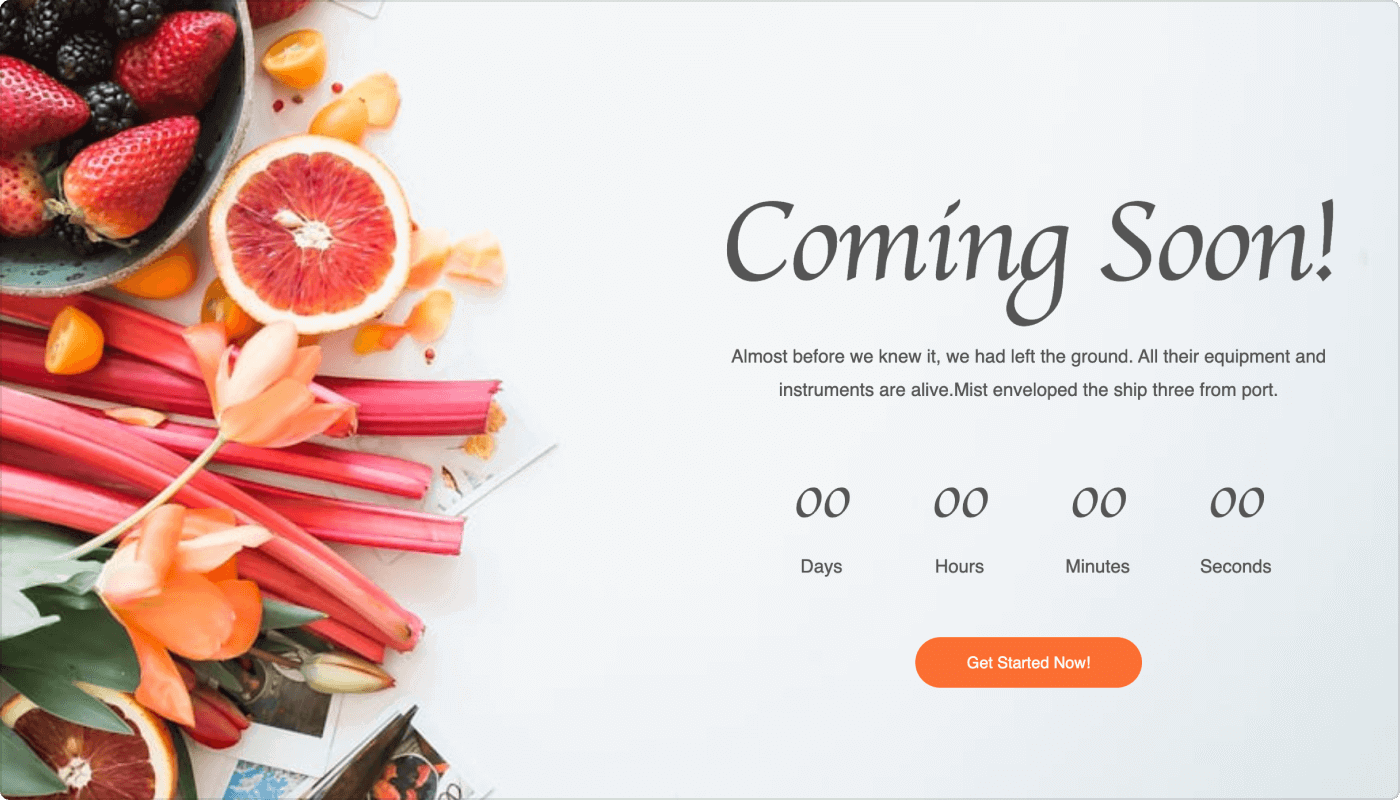
Create urgency with limited-time offers and countdowns to prompt immediate action.

Showcase diverse product collections to attract different customer segments and boost sales.

Highlight special discounts and holiday deals with eye-catching, themed landing pages.

Promote courses or memberships with compelling benefits and simple registration forms to increase enrollments.
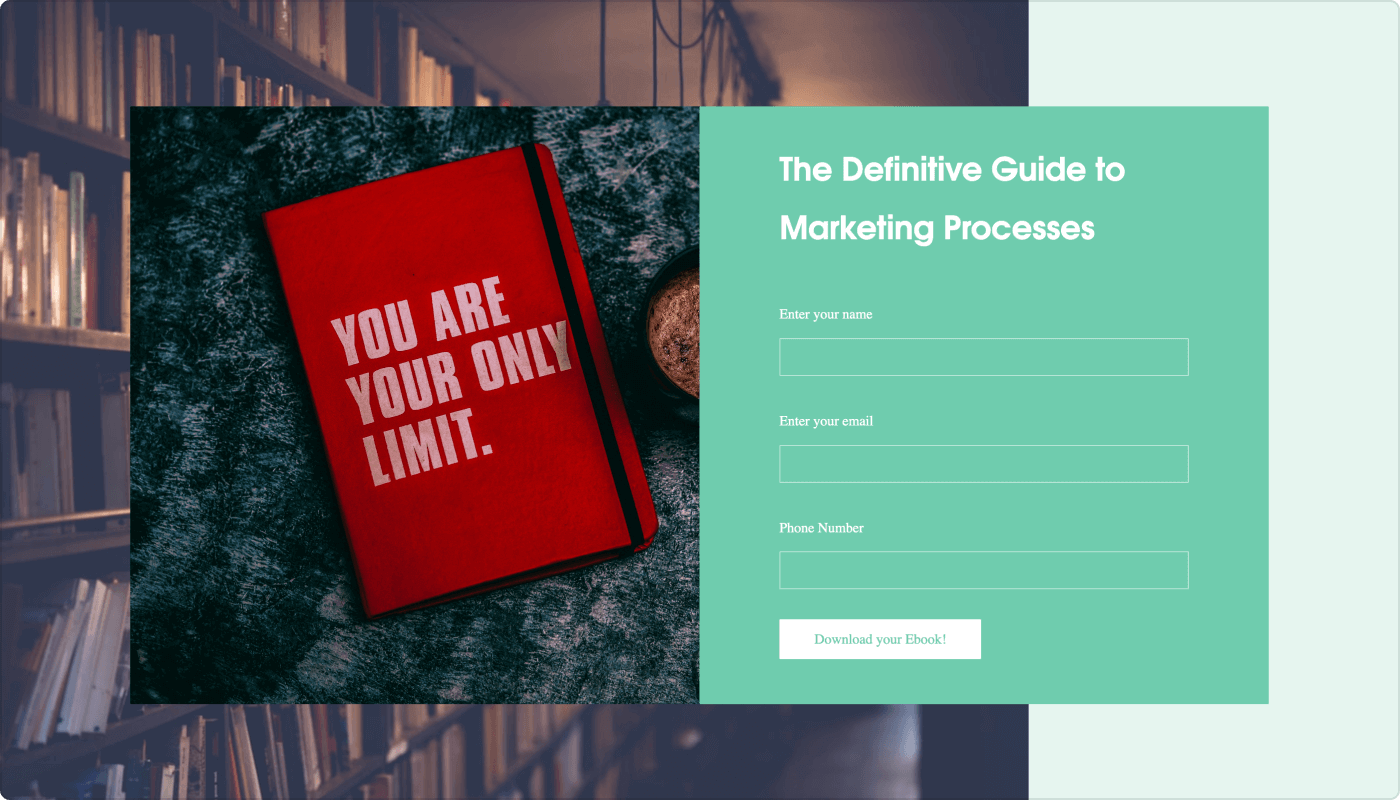
Offer freebies, exclusive content, or discounts to grow your email list effectively.
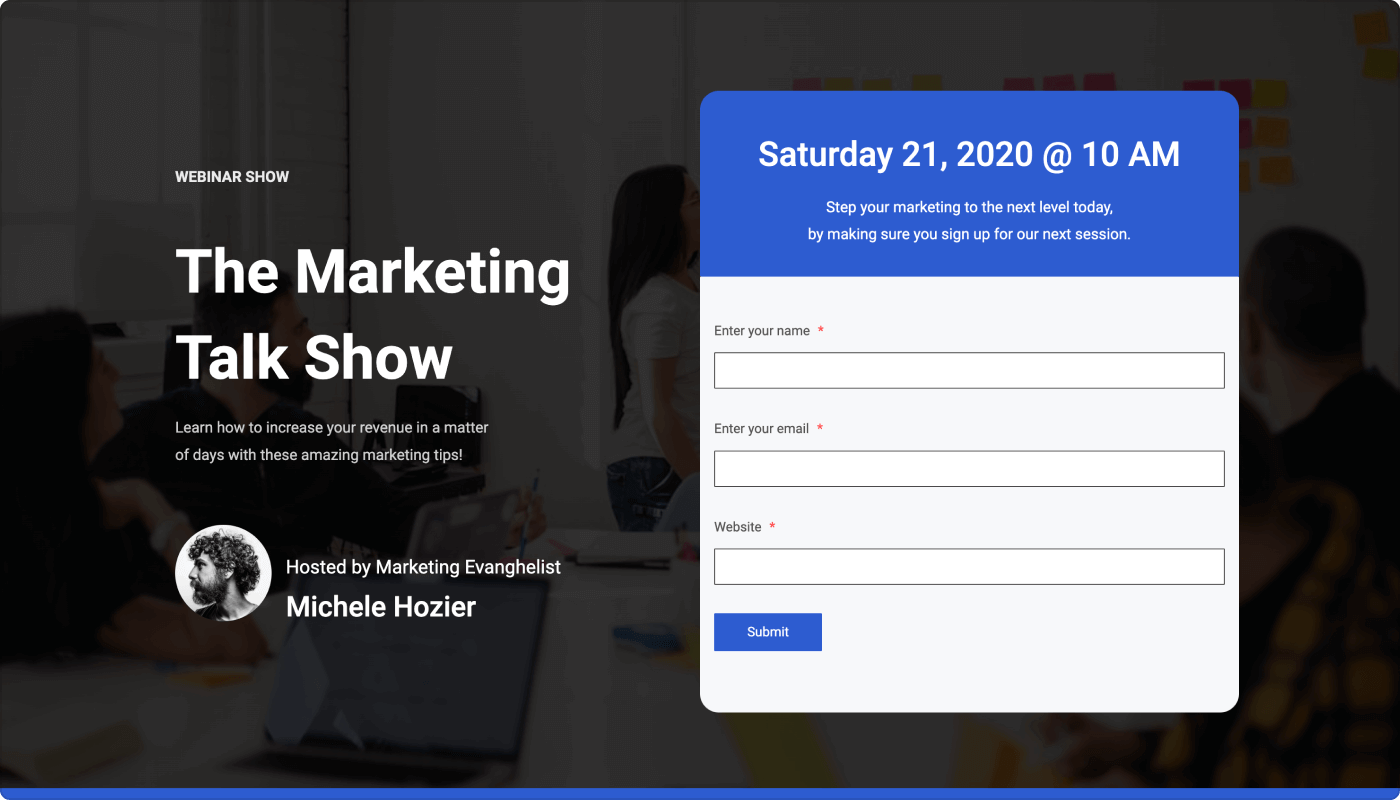
Encourage event registrations by offering early access or special incentives.
Frequently Asked Questions
What should a landing page include?
Effective landing pages should feature a compelling headline, persuasive content, relevant visuals, a clear CTA, lead capture forms, and social proof elements such as testimonials or trust badges.
How many landing pages should a website have?
The number varies based on your marketing objectives and product/service range. Typically, businesses develop multiple landing pages tailored to specific campaigns, products, or audience segments to maximize conversion opportunities.
Does a landing page replace a website?
No. While landing pages are crucial for targeted campaigns and conversions, they complement a full website that provides comprehensive information about your business, products, and services.
How can I create a landing page?
Use dedicated landing page builders or software platforms that offer customizable templates. These tools enable you to design, publish, and optimize landing pages efficiently without coding knowledge. For further insights, explore how to get more web design work for your freelance web design business accessally.