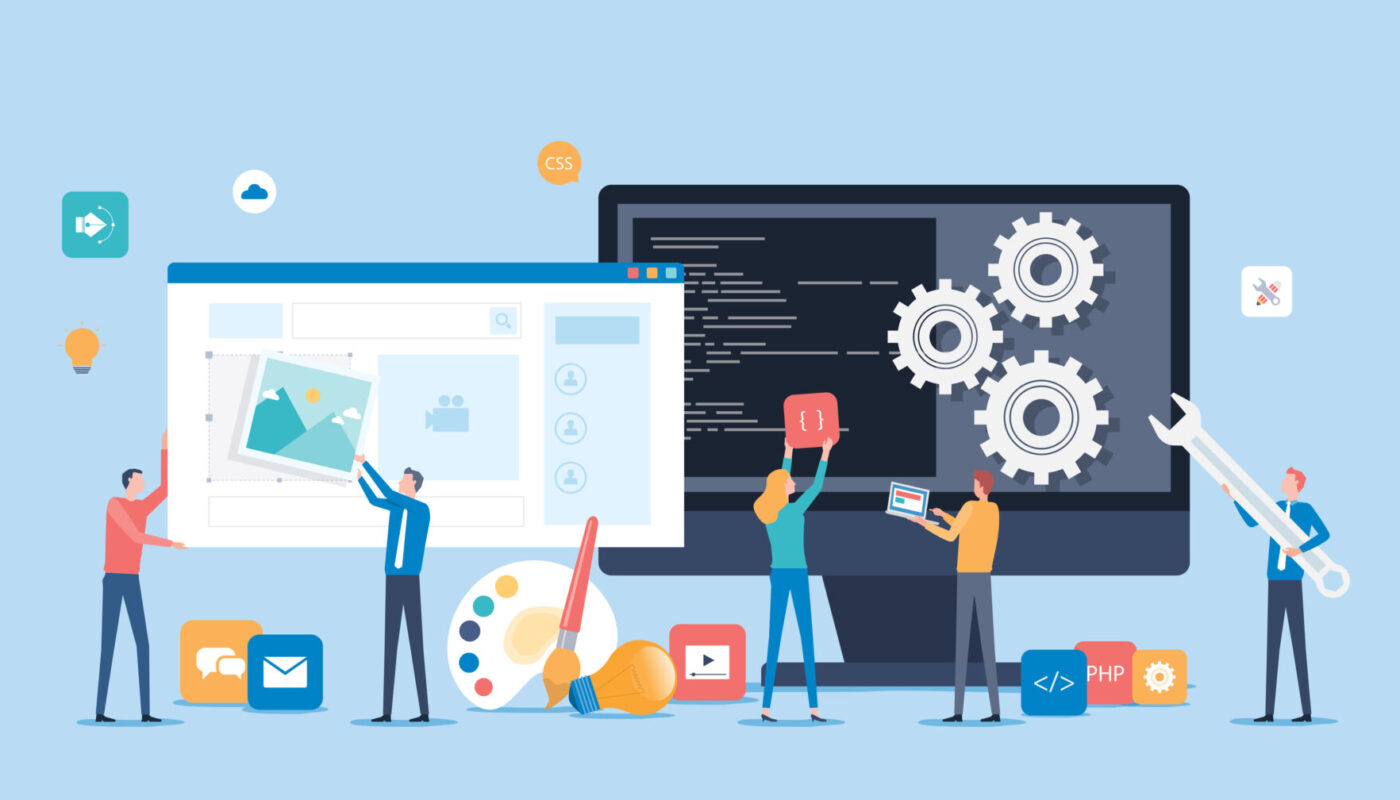
Creating a successful website involves more than just aesthetic appeal or technical functionality; it requires a clear understanding of the distinct roles that design and development play in the process. While these two aspects are closely intertwined, recognizing their individual contributions helps organizations set realistic expectations, communicate effectively with their web teams, and ultimately achieve a digital presence that is both visually compelling and technically sound.
Many people often use the terms “website design” and “website development” interchangeably, but they actually refer to different phases of the web creation process. Clarifying this distinction ensures that your project stays on track and aligns with your goals. Whether you’re planning a brand-new site or refreshing an existing one, understanding what each discipline entails will help you make informed decisions and choose the right professionals for each task.
What Is Website Design?
Website design is primarily concerned with the visual aspect and user experience of your site. It involves translating your brand identity into a digital framework that is both aesthetically pleasing and easy to navigate. A well-designed website not only captures attention but also guides visitors seamlessly through your content, increasing engagement and conversions.
Designers focus on elements such as:
- Structuring page layouts to facilitate intuitive navigation
- Developing branding elements like color schemes, typography, and logos
- Selecting images and utilizing negative space for visual balance
- Creating a hierarchy of information through typography
- Designing interactive components and flow to enhance usability
The end goal is to craft a unified visual experience that aligns with your brand values and supports your site’s purpose.
Tools and Output Formats
Web designers typically start with wireframes—basic sketches outlining layout structures—and progress to high-fidelity mockups using tools like Figma, Adobe XD, or Sketch. These mockups demonstrate how each page will look across desktop and mobile devices, including placement of buttons, forms, and calls to action.
Design also encompasses user experience (UX) and user interface (UI) considerations, which influence how visitors find information, how pages transition, and how the site adapts to various screen sizes. A thoughtful design ensures visitors can intuitively interact with your content, reducing bounce rates and increasing overall satisfaction.
What Is Website Development?
While design defines what a website looks like, development involves turning that visual plan into a fully functioning digital product through coding and technical infrastructure. Development ensures your website operates smoothly, loads quickly, and performs reliably across different devices and browsers.
Developers handle tasks such as:
- Converting static design files into responsive HTML and CSS code
- Implementing dynamic features with JavaScript and frameworks
- Setting up content management systems (like WordPress or Drupal) or custom platforms
- Building and integrating databases and APIs for complex functionalities
- Ensuring cross-browser compatibility and mobile responsiveness
- Optimizing site speed, security, and accessibility
Front-End and Back-End Development
Development is often divided into:
Front-end development: The part of the website users see and interact with—buttons, animations, menus, and layout adjustments. Front-end developers use HTML, CSS, and JavaScript to bring the visual design to life.
Back-end development: The behind-the-scenes processes that manage data, serve content, and handle user requests. This includes managing servers, databases, and server-side scripting.
Some developers specialize exclusively in one area, while full-stack developers possess expertise in both front-end and back-end technologies, enabling them to oversee entire projects.
Where Design and Development Intersect
Although design and development require different skill sets, their collaboration is essential for a successful website. The most effective projects involve ongoing communication between designers and developers from the initial planning stages through launch.
Key areas where they overlap include:
- Responsive design: Designers craft layouts for various devices, but developers ensure these adapt correctly at every screen size.
- Interactive features: Designers specify hover states and animations, which developers implement with CSS and JavaScript.
- Accessibility: While designers consider contrast and focus indicators, developers incorporate necessary code such as alt text and ARIA labels to support users with disabilities.
In essence, design provides the vision, and development turns that vision into a functional, user-friendly website.
Why Differentiating Design from Development Matters
Understanding the distinction between website design and development is crucial for effective project planning and resource allocation. It allows you to:
Scope and Budget Accurately
Design-only projects, such as visual refreshes, typically require less time and cost compared to comprehensive rebuilds that involve extensive coding. Conversely, development-heavy initiatives—like integrating complex functionalities or migrating platforms—demand different skill sets and longer timelines. Clarifying your needs helps prevent budget overruns and misaligned expectations.
Communicate Clearly
Expressing your requirements precisely—such as saying, “We need design support” versus “We need full development”—ensures your team or vendor understands your scope. This clarity facilitates smoother collaboration and reduces misunderstandings during each phase.
Select Appropriate Partners
Some agencies specialize solely in creative design, while others focus on technical development. Recognizing your project’s needs enables you to find a partner with the right expertise, whether for a straightforward design refresh or a complex web application.
How M&R Integrates Design and Development
At M&R, we believe in a collaborative approach where design and development are integrated from the outset. Our team of brand strategists, designers, and developers work together to create websites that are not only visually aligned with your brand but also perform at optimal levels.
This integrated process ensures:
- Brand-consistent design that accurately reflects your identity
- Performance-optimized builds that prioritize speed, security, and ease of maintenance
- Responsive teamwork between creative and technical professionals throughout your project
Whether you’re planning a minor update or a complete website overhaul, we help synchronize your visual and functional goals for maximum impact. Reach out to us for a consultation and discover how to move your online presence forward with confidence.
Let’s craft a website that truly stands out. Contact us today: 478-621-4491
Additional Insights
For a comprehensive understanding of effective web project planning, explore resources such as guides on crafting a solid website design proposal or tips on developing a well-structured request for proposal. Properly defining your project scope ensures you receive proposals that align with your vision and budget, making the entire process more efficient and successful.