Entering the world of digital services can seem daunting, especially when considering how to expand your offerings efficiently. White label web design presents a strategic solution, enabling you to deliver professional websites under your brand without the need for extensive in-house resources. This approach not only streamlines your workflow but also opens new avenues for growth, allowing you to focus on client relationships and marketing while trusted partners handle the technical development. As the global IT outsourcing market continues to grow at an impressive rate—projected to expand at a CAGR of 11% by 2028—understanding how white label services work can give you a significant competitive advantage. Whether you’re an agency looking to diversify your portfolio or an entrepreneur aiming to scale rapidly, mastering the nuances of white label web development can be a game-changer.
What is a White Label Web Design?
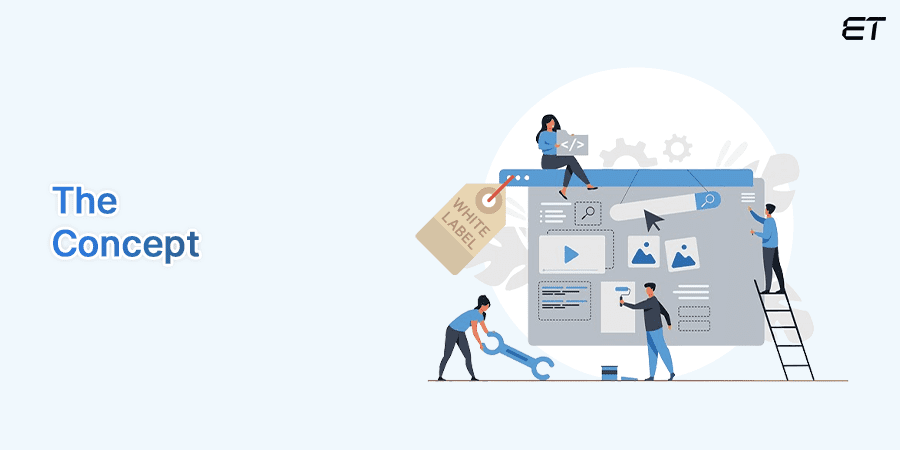
At its core, white label web design involves creating websites that are devoid of any branding or identification linked to the development firm. The term “white label” originates from the concept of a blank product or service that can be customized with a client’s branding. Essentially, it’s like a blank tag—no manufacturer’s name or logo—allowing resellers to brand the final product as their own.
In the context of web development, a white label website is built by a service provider without any visible affiliation to the creator. The client or reseller then applies their branding, presenting the finished site as their own. This process enables agencies, consultants, or freelancers to expand their offerings without investing heavily in in-house technical expertise or infrastructure.
How White Label Web Design Works
Imagine you partner with a white label web development company. Your client, a furniture retailer, needs an e-commerce website to showcase and sell their products. Instead of building the site yourself, you outsource the project to the white label provider. They assign a dedicated team to develop a customized website based on your specifications. Once completed, you apply your branding and deliver the finished product to your client.
This model offers several advantages:
- Cost Efficiency: You avoid the expenses associated with hiring and maintaining an in-house development team.
- Time Savings: Rapid deployment is possible since the technical work is handled by specialists.
- Focus on Core Business: You can concentrate on client acquisition, relationship management, or marketing strategies, leaving technical execution to experts.
By leveraging such services, your business can scale more effectively, entering new markets or increasing service capacity without the overhead of expanding your internal team.
The Advantages of White Label Web Design
White label web development simplifies the process of expanding service offerings, especially for agencies or freelancers. Although it shares similarities with traditional IT outsourcing, white label services are specifically tailored for reselling finished products under your brand. This distinction is critical for businesses aiming to maintain brand consistency and control over customer relationships.
1. Strategic Business Expansion

Growing a web design department in-house can be costly, requiring investments in skilled developers, UI/UX designers, quality assurance teams, content creators, SEO specialists, and digital marketers. Additionally, infrastructure and software licenses add to expenses. Partnering with a white label agency allows you to bypass these costs—paying only for the services you need, when you need them. This flexible model lets you focus your resources on marketing and customer acquisition, effectively scaling your business without the burden of operational overhead.
2. Access to Specialized Skills On Demand

The technology landscape in web development is continuously evolving, with numerous frameworks and coding languages. It’s impractical for a small or midsize firm to hire experts in every domain. White label providers offer a pool of specialized professionals experienced across various frameworks and technologies, giving you the flexibility to deliver diverse projects without expanding your internal team. This approach enhances your reputation as a comprehensive web solutions provider.
3. Broadening Your Portfolio Effortlessly

Expanding your service offerings is essential for marketing agencies and consultants aiming to attract larger clients. Building an in-house web development team can be time-consuming and costly. White label partnerships enable you to quickly add professional websites to your portfolio under your brand, demonstrating versatility and attracting new business opportunities without the need for specialized in-house talent.
4. Accelerated Project Delivery

Because dedicated developers at white label agencies focus solely on project execution, turnaround times are significantly reduced. They handle all technical complexities, from choosing the optimal tech stack to coding and testing. Meanwhile, your team can concentrate on managing client relationships or executing marketing campaigns. This seamless collaboration results in faster project completion and happier clients, giving your business a competitive edge.
How to Choose the Best White Label Web Design Partner
Selecting the right white label provider is crucial for ensuring quality and longevity. With numerous options available, a systematic approach can help you identify a reliable partner aligned with your business goals.
Conduct Thorough Research

Begin by exploring both online and offline channels. Attend industry events, trade shows, or B2B conferences to network directly with potential vendors. Online, platforms like Clutch.co provide verified reviews and ratings of web development agencies. Use these resources to evaluate factors such as industry experience, team size, certifications, and the quality of their portfolios. Agencies that invest in thought leadership—through blogs, white papers, and case studies—are often more reliable.
Establish Clear Communication

Once you shortlist potential partners, initiate detailed discussions. Clear, transparent communication is a hallmark of a trustworthy provider. Clarify project scope, timelines, code ownership, confidentiality agreements, and post-launch support. Conduct meetings to assess their responsiveness and professionalism. Ensuring alignment in work culture and expectations minimizes misunderstandings and sets the foundation for a successful partnership.
Clarify Pricing and Value

Understanding the cost structure and expected ROI is essential. Ask for detailed quotes, and be cautious of hidden fees or additional charges. The goal is to balance cost with quality; the cheapest option may compromise on standards. Define your primary objectives—whether lead generation, expanding service lines, or increasing profitability—and select a partner that aligns with these goals. You might also request a trial period to evaluate their performance before committing long-term.
Final Thoughts
White label web design unlocks new opportunities for growth by allowing you to deliver professional websites without the need for extensive in-house development. This approach enhances your service portfolio, accelerates project delivery, and reduces operational costs. To maximize its benefits, conduct comprehensive research, communicate transparently, and focus on value. With the right partner, your business can thrive in a competitive digital landscape.
For tailored solutions and expert guidance, Team ET is ready to assist you in simplifying your white label web design journey. Reach out today to discuss your specific needs and start expanding your digital offerings.
Frequently Asked Questions
1. Is white labeling legally permissible?
Yes. White labeling is a legal business practice. To ensure compliance, it’s essential to sign clear agreements that specify resale rights and intellectual property ownership, allowing you to make the most of your white label websites without legal complications.
2. What common issues might arise with white label partnerships?
One significant challenge is quality control; maintaining consistent standards across projects can be difficult. Other issues include hidden costs, dependency on external providers, and limited customization options. Choosing reputable agencies and establishing clear expectations helps mitigate these risks.
3. Is engaging in white label web development ethical?
Absolutely. When executed transparently and with reputable partners, white label services enable you to deliver high-quality solutions to your clients while maintaining integrity. Honesty about the partnership and clear communication with clients are key.
4. What does white labeled product development involve?
This process entails acquiring pre-developed or existing products from a manufacturer or provider and branding them as your own. It’s a cost-effective way to offer new products or services without starting from scratch.
5. How can white-labeled IT products assist my business?
White-labeled software or services can be resold under your brand, allowing rapid deployment and customization with minimal effort. This strategy accelerates your ability to serve multiple clients efficiently.
6. Can you give examples of white label website builders?
Platforms like Mono Solutions, WebWave, Simvoly, and Dorik are popular options that enable you to create and sell websites under your brand without exposing the underlying technology, facilitating quick deployment and reseller opportunities.