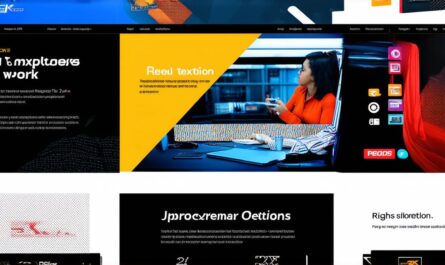
Web design refers to the process of creating the visual layout, aesthetic appeal, and overall user experience of websites. It encompasses a wide range of skills and disciplines, including graphic design, interface design, user experience (UX) design, and front-end development. In essence, web design is about crafting websites that are not only visually engaging but also functional, accessible, and easy to navigate. As of 2025, the importance of web design continues to grow, driven by the increasing reliance on digital platforms for commerce, communication, and entertainment. A well-designed website can significantly impact a business’s online presence, brand perception, and user engagement.
Understanding the Elements of Web Design
Web design involves several core components that work together to create an effective website:
| Element | Description | Importance |
|---|---|---|
| Layout | The arrangement of visual elements on a page, including headers, footers, sidebars, and content areas. | Ensures content is organized logically and aesthetically, facilitating easy navigation. |
| Color Scheme | The selection of colors used throughout the website to evoke specific emotions and brand identity. | Enhances visual appeal and improves readability, influencing user perception. |
| Typography | The style, size, and spacing of text elements on the site. | Critical for readability and conveying the site’s personality. |
| Images and Graphics | Visual elements that support content, branding, and aesthetic appeal. | Capture attention, explain concepts, and evoke emotions. |
| NAVIGATION | The menus, links, and pathways that help users find information. | Facilitates user flow and improves usability, reducing bounce rates. |
| Responsive Design | Design that adapts seamlessly to various devices and screen sizes. | Essential in 2025, with over 60% of web traffic coming from mobile devices (source: Statista). |
| Content | The text, images, videos, and other media presented on the site. | Provides value to visitors, supports SEO, and drives engagement. |
| Interactivity | Features like forms, buttons, animations, and other elements that engage users. | Enhances user experience and encourages interaction. |
The Evolution of Web Design in 2025
Web design has undergone significant transformations over the past two decades. From static pages with basic HTML and CSS to highly interactive, dynamic websites powered by advanced frameworks and AI-driven tools, the landscape continues to evolve. In 2025, several key trends shape web design:
- AI and Automation: AI tools like ChatGPT and DALL-E are integrated into design workflows, enabling faster prototyping and personalized user experiences.
- Voice User Interfaces (VUIs): With the rise of voice assistants, websites increasingly incorporate voice navigation and commands.
- Augmented Reality (AR) and Virtual Reality (VR): E-commerce and entertainment sites feature immersive AR/VR experiences, enhancing customer engagement.
- Minimalism and Flat Design: Clean, simple interfaces focus on usability and aesthetic elegance, reducing clutter.
- Dark Mode and Customization: User preferences for dark themes and personalized interfaces are standard features.
Why Web Design Matters in 2025
A well-executed web design directly influences several critical aspects of online success:
1. User Experience (UX)
Good web design ensures that visitors can navigate your site effortlessly, find information quickly, and perform desired actions. According to a 2024 report by Forrester, a seamless UX can increase conversions by up to 400%. Poor design, conversely, leads to frustration and high bounce rates.
2. SEO Performance
Search engines favor websites with clear structure, fast load times, and mobile responsiveness. Google’s algorithms heavily factor in user engagement signals, which are directly impacted by design quality. As of 2025, optimizing for mobile-first indexing is standard practice.
3. Brand Credibility and Trust
First impressions matter. A professional web design enhances credibility, making visitors more likely to trust your brand. According to a 2023 survey, 75% of consumers judge a company’s credibility based on its website design.
4. Competitive Advantage
In crowded markets, standout design differentiates your business. Innovative visual elements, engaging interfaces, and personalized experiences can set you apart from competitors.
Tools and Technologies in Modern Web Design
The tools used in web design have become more sophisticated, allowing designers to craft complex and beautiful websites efficiently. Key technologies include:
| Tool/Technology | Description | Use Cases |
|---|---|---|
| Adobe XD / Figma | Design and prototyping tools for creating UI/UX mockups. | Wireframing, interactive prototypes, collaborative design. |
| Bootstrap / Tailwind CSS | Frameworks for responsive, mobile-first front-end development. | Rapid development of responsive websites. |
| React.js / Vue.js | JavaScript frameworks for building dynamic interfaces. | Single-page applications, interactive features. |
| AI-powered Design Tools | Tools leveraging AI to generate design options and optimize layouts. | Automated color schemes, layout suggestions, content generation. |
Best Practices for Effective Web Design in 2025
Implementing best practices helps ensure your website remains competitive and user-friendly:
- Prioritize Mobile Responsiveness: Over 60% of global web traffic is mobile, making responsive design non-negotiable.
- Optimize for Speed: Aim for load times under 3 seconds; Google’s PageSpeed Insights provides actionable recommendations.
- Focus on Accessibility: Ensure your site is usable by everyone, including individuals with disabilities, by following WCAG guidelines.
- Use High-Quality Content: Engage visitors with relevant, well-structured, and multimedia-rich content.
- Implement Clear Calls-to-Action (CTAs): Guide users towards desired outcomes with prominent, compelling CTAs.
- Maintain Consistent Branding: Use uniform colors, fonts, and tone throughout the website.
- Leverage Data and Analytics: Use tools like Google Analytics to monitor user behavior and refine your design accordingly.
Impact of Web Design on Business Metrics
Effective web design directly correlates with key performance indicators (KPIs) such as conversion rates, customer retention, and revenue. Recent statistics highlight this:
| Metric | Impact of Good Web Design | Data/Statistics |
|---|---|---|
| Conversion Rate | Increases significantly with intuitive design. | Up to 200% higher conversions reported on well-designed landing pages (source: Unbounce, 2024). |
| Bounce Rate | Reduces with engaging and fast websites. | Sites with optimized design see bounce rates reduced by 30-50%. |
| Customer Trust | Built through professional aesthetics and usability. | 75% of consumers judge credibility based on website quality (source: Blue Corona, 2023). |
| SEO Rankings | Improved with better UX and technical optimization. | Websites with responsive design rank higher on Google. |
Future Trends in Web Design
Looking ahead, web design in 2025 will continue to evolve. Anticipated trends include:
- AI-Driven Personalization: Tailoring content and experiences based on user behavior and preferences in real-time.
- Advanced Motion Design: Using subtle animations and micro-interactions to enhance engagement without overwhelming users.
- Inclusive Design: Ensuring websites are usable by diverse populations, considering factors like language, culture, and abilities.
- Progressive Web Apps (PWAs): Combining the best of websites and mobile apps for seamless, app-like experiences.
- Voice and Gesture Controls: Incorporating voice commands and gesture-based navigation for hands-free interaction.
For those interested in keeping up with the latest in web design, resources like UX Collective, Smashing Magazine, and AIGA provide valuable insights and tutorials.
In conclusion, web design in 2025 is a complex, dynamic field that blends creativity with technology to create engaging, accessible, and high-performing websites. Staying abreast of emerging trends, tools, and best practices is essential for businesses and designers aiming to succeed in the digital landscape.