Typography is a vital element of design that shapes how we perceive and interact with written content. Effective typography enhances readability, conveys brand personality, and sets the overall tone of digital and print media. Mastering the principles of typography enables designers to create visually appealing and user-friendly interfaces, whether for websites, logos, posters, or apparel. Understanding the nuances of font selection, layout, and style can significantly impact the success of your visual communication.
The Significance of Typography in Design
Typography is the art of arranging type to make written language legible, readable, and visually engaging. It plays a crucial role in user experience by guiding the viewer’s eye, emphasizing key messages, and establishing a consistent aesthetic. Good typography not only improves aesthetic appeal but also influences how users interpret and respond to content. For comprehensive insights into how web design impacts SEO and page speed, visit how does web design affect seo and page loading speed.
Differentiating Between Font and Typeface
| Aspect | Typeface | Font |
|———|————–|——-|
| Definition | The design of a complete set of characters | A specific size, weight, and style of a typeface |
| Example | Arial, Times New Roman | Arial 12pt Bold |
| Usage | Describes the overall design | Implements a typeface in particular styles and sizes |
Understanding this distinction helps in selecting appropriate typography for various contexts.
Types of Typography Styles
Typography styles are diverse, each serving unique purposes in design.
Serif Fonts
Serif fonts are characterized by small lines or strokes attached to the ends of their letters. They are the oldest style, originating from carved stone inscriptions, where serifs helped guide the eye along the text. Serif fonts are often used in print media like newspapers, books, and magazines due to their classic and formal appearance.
Example: Times New Roman
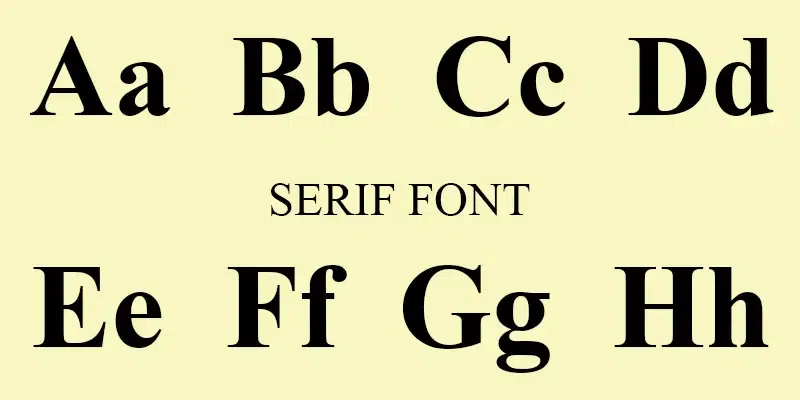
Common serif styles include:
- Old Style
- Transitional
- Modern
- Slab Serif
- Clarendon
- Glyphic
- Didone
- Tuscan
- Contemporary
Sans-Serif Fonts
The term “sans” means “without” in French, indicating that these fonts lack serifs. They offer a clean, minimalistic look and are widely used for digital interfaces, headings, and branding. Sans-serif fonts first gained popularity in the 15th century and are favored for their modern aesthetic.
Example: Helvetica
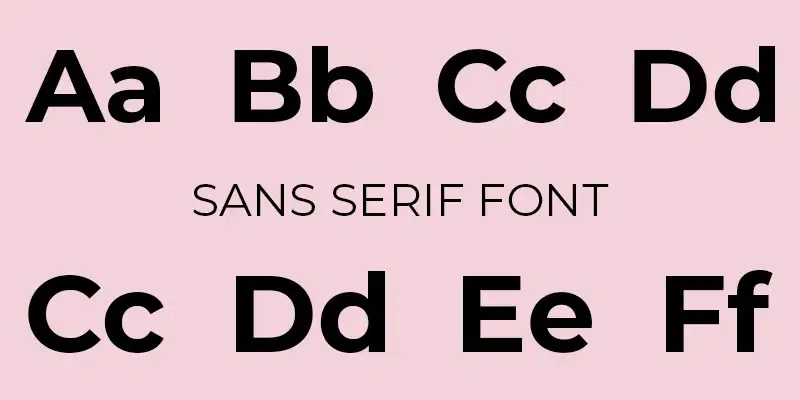
Major styles include:
- Grotesque
- Neo-Grotesque
- Humanist
- Geometric
- Transitional
- Display
- Monospaced
Script and Handwritten Fonts
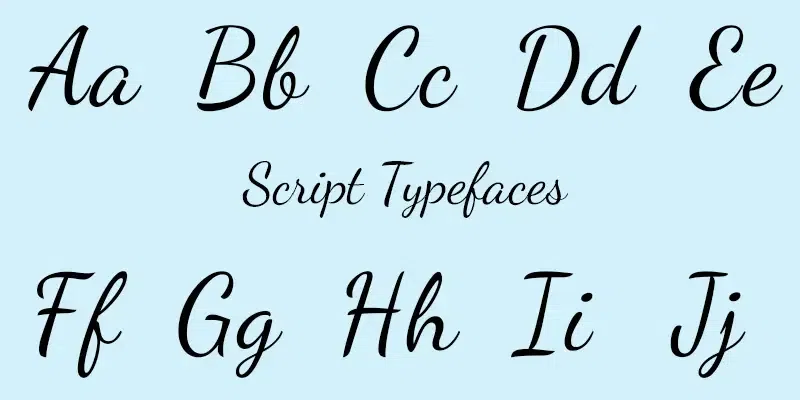
Script fonts mimic the fluid strokes of handwriting, ranging from elegant calligraphy to casual, informal styles. Formal scripts are ornate and suitable for invitations and certificates, while casual scripts add a personal touch for branding and advertising.
Display and Decorative Fonts
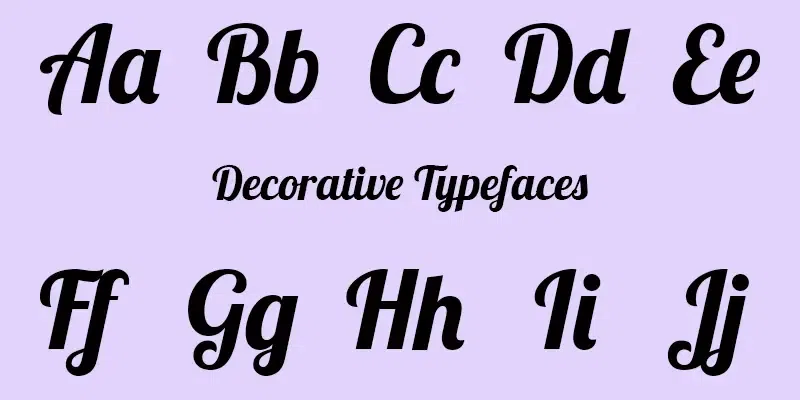
Designed for impact, display fonts are highly stylized and ideal for headlines, logos, and branding rather than body text. They evoke specific moods—retro, modern, playful—and help create memorable visual identities.
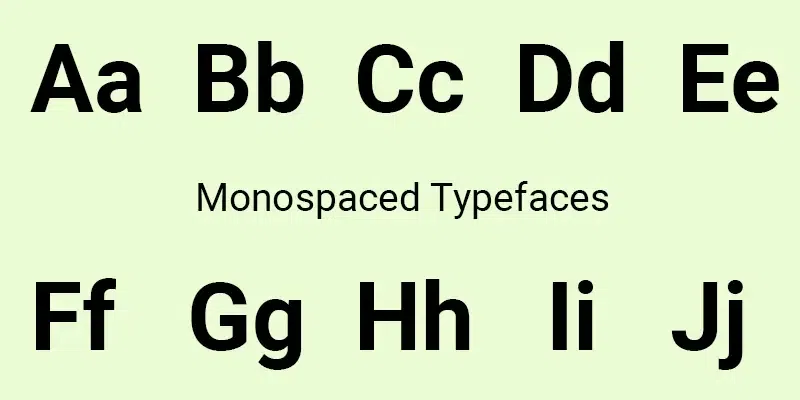
Monospaced Fonts
In monospaced fonts, each character occupies the same width, reminiscent of typewriters. They are essential in coding environments and for aligning tabular data, offering clarity and a mechanical aesthetic.
Key Properties of Typography
Understanding fundamental properties helps in designing effective text layouts.
- Baseline: The imaginary line on which most characters sit, used to align text uniformly.
- X-height: The height of the lowercase letter “x” in a font, affecting readability.
- Ascender: The part of a letter that extends above the x-height (e.g., “f”).
- Descender: The part of a letter that extends below the baseline (e.g., “p”).
- Font Size: The overall size of the text, typically measured in points or pixels.
- Letter Spacing (Tracking): The space between individual characters, affecting legibility.
- Line Spacing (Leading): The vertical distance between lines of text, impacting readability.
For more on typography properties, visit typeface and font differences.
Popular Typography Fonts
When designing websites or apps, certain fonts are favored for their versatility and clarity:
- Inter
- Space Grotesk
- Work Sans
- DM Sans
- Satoshi
- Open Sans
Choosing the right font aligns with your brand identity and aids in creating a cohesive visual experience.
Selecting the Appropriate Font for Your Brand
To pick the best font:
- Reflect your brand personality: Formal, playful, modern, or classic.
- Prioritize readability: Ensure clarity across devices and sizes.
- Maintain versatility: Use fonts that adapt well to different mediums.
- Ensure compatibility: Test across browsers and platforms.
- Aim for uniqueness: Distinguish your brand while aligning with your values.
Best Practices for Effective Typography
Implement these guidelines to ensure your typography enhances your design:
- Maintain visual balance: Match font styles with other visual elements.
- Limit font usage: Use no more than two fonts to avoid clutter.
- Create contrast: Use different weights, sizes, or colors to differentiate text.
- Manage line length: Keep lines between 50-75 characters to improve readability.
- Utilize plugins: Tools like Adobe XD or Figma plugins (e.g., Count Text, Font Fascia) can enhance efficiency.
- Adjust line height: Keep line spacing between 120% and 180% for clarity.
- Use readable font sizes: Typically, 16-17 pixels for body text.
- Optimize for mobile: Scale headings appropriately for smaller screens.
Common Typography Mistakes to Avoid
Avoid these pitfalls to ensure your text remains accessible and attractive:
- Uneven rag (text margin): Maintain clean text blocks to prevent awkward spacing.
- Poor font selection: Choose fonts that match your message’s tone.
- Overusing fonts: Stick to a maximum of two fonts; vary properties instead.
- Long line widths: Limit lines to around 90 characters to enhance readability.
- Inconsistent hierarchy: Use size, weight, and spacing to establish clear visual hierarchy.
Conclusion
Typography is more than just choosing fonts; it influences how users perceive and engage with your content. Well-executed typography improves both visual appeal and usability, making your message more effective. By applying best practices and understanding different font styles, you can craft interfaces that are both beautiful and functional. For further insights on how design choices impact website performance, explore how does web design affect seo and page loading speed.