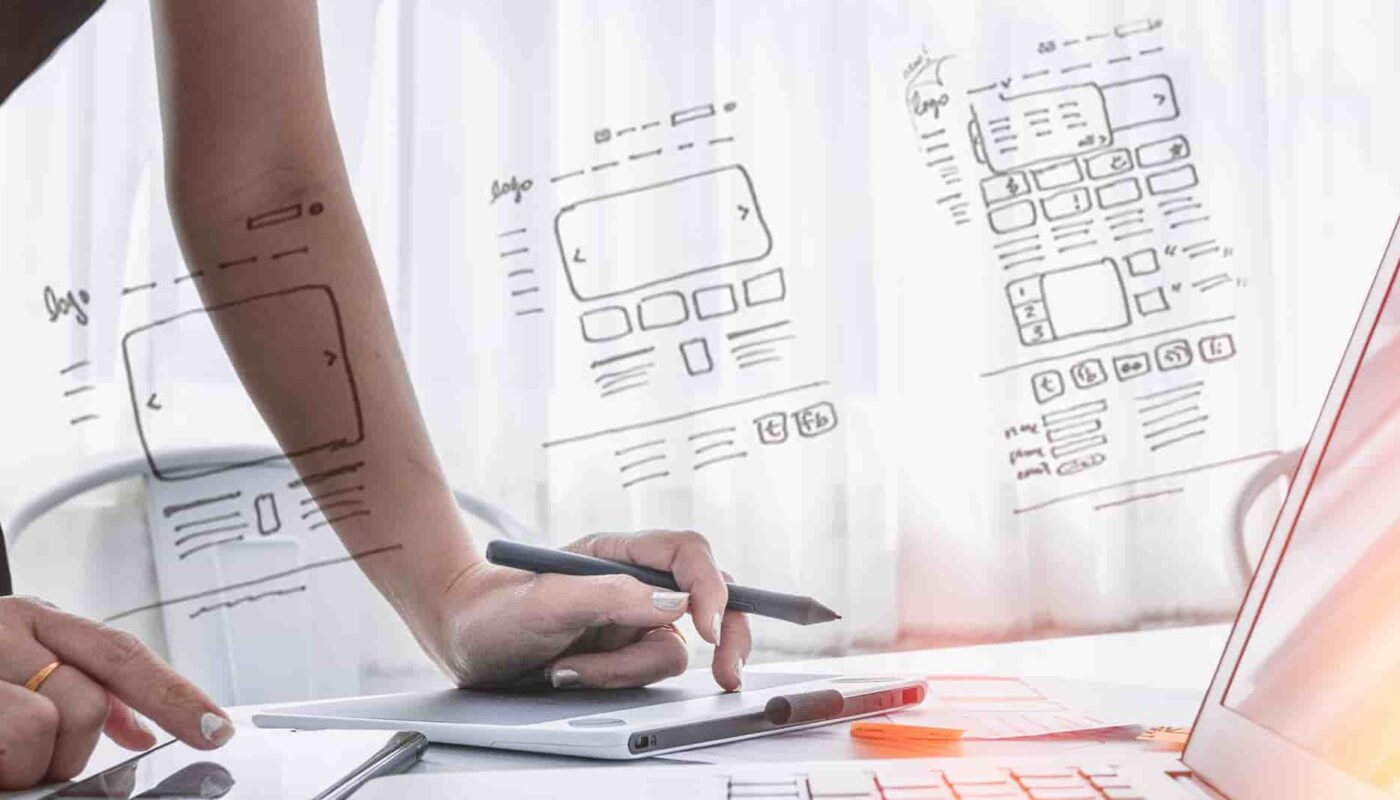
Embarking on a career in web design offers exciting opportunities as the digital landscape continues to expand at an unprecedented pace. With the rapid growth of online businesses and mobile technology, becoming a professional web designer can be both fulfilling and lucrative. As industries evolve, so do the skills and knowledge necessary to succeed in this dynamic field. Whether you’re starting fresh or transitioning from another profession, understanding the essential steps, skills, and certifications needed will set you on the right path toward a thriving career in 2025.
While formal education can be beneficial, many successful web designers have built their careers through self-learning, hands-on experience, and continuous skill development. This guide provides a comprehensive overview of the skills, tools, and strategies to help you excel as a web designer in the coming years.
What Does a Web Designer Do?
Web designers are responsible for creating visually appealing, user-friendly websites and web pages. Their work involves planning layout structures, selecting color schemes, typography, and integrating multimedia elements such as images, videos, and sound. They combine artistic design with technical skills to produce engaging digital experiences.
Beyond aesthetics, web designers often collaborate with clients to understand their needs, translate ideas into prototypes, and refine designs based on feedback. They may also handle website maintenance, updates, and hosting responsibilities. Understanding the core functions of a web designer helps clarify what skills to develop and how to position yourself for success.
10 Essential Tips for Aspiring Web Designers
While a formal degree can open doors, many web designers have succeeded with various educational backgrounds, from associate degrees to high school diplomas. The key lies in mastering critical skills, building a strong portfolio, and staying current with industry trends. Here’s what you need to focus on:
1. Understand Web Design Foundations
Web design principles revolve around effective information presentation. This includes understanding proportions, grid systems, color theory, typography, and layout techniques. Success hinges on knowing how to create designs that are visually attractive and intuitive to navigate. Learning the fundamentals of design theory will enable you to craft websites that engage users and communicate messages effectively. To deepen your understanding of visual communication, explore resources on typography and design best practices.
2. Develop Coding Skills
Proficiency in programming languages is vital for web designers aiming for flexibility and control over their projects. Having a solid grasp of HTML, CSS, and JavaScript allows you to turn designs into functioning websites, avoiding limitations posed by drag-and-drop builders. This knowledge also empowers you to troubleshoot, customize, and optimize your sites for performance. Consider exploring the differences between various website development tools by comparing WordPress vs Dreamweaver to find the best fit for your workflow.
3. Master Web Design Tools
Familiarity with industry-standard software streamlines your workflow. Graphic design tools like Adobe Photoshop, Figma, and Sketch enable you to create mock-ups and visual assets efficiently. Additionally, understanding Content Management Systems (CMS) such as WordPress, Joomla, or Drupal helps you implement and modify websites quickly. Hands-on experience with these tools boosts your productivity and marketability.
4. Learn About Search Engine Optimization (SEO)
Optimizing websites for search engines enhances visibility and attracts more visitors. A good web designer should understand SEO best practices, including keyword integration, site structure, and fast loading times. Incorporating SEO from the start ensures that your designs are not only beautiful but also discoverable. To stay ahead, stay informed about advanced techniques in website optimization.
5. Focus on User Experience (UX)
Creating websites that are easy to navigate and responsive across devices is critical. UX principles guide you in designing interfaces that keep users engaged and ensure they find information effortlessly. Responsive design, fast load times, and accessibility are key factors in delivering a seamless user experience. Adhering to these principles increases client satisfaction and your reputation as a designer.
6. Practice Prototyping
Prototyping involves creating interactive mock-ups of your websites before development. This process allows clients to visualize the final product and provide feedback early on. Using HTML, CSS, and JavaScript, prototypes can be made more realistic, facilitating smoother revisions. Developing strong prototyping skills will improve your workflow and client communication.
7. Monitor Performance Metrics
Designing a website is just part of the job; analyzing how it performs is equally important. Familiarity with analytics tools like Google Analytics helps you understand user behavior, engagement, and conversion rates. Using these insights, you can refine your design strategies to enhance overall effectiveness and meet client goals.
8. Stay Updated with Industry Trends
Web design is a constantly evolving field driven by technological advancements. Regularly following industry news, participating in online communities, and attending networking events keeps you informed about emerging trends, tools, and best practices. Staying current ensures your skills remain relevant and competitive.
9. Build a Robust Portfolio
Showcasing your work through a professional portfolio demonstrates your skills to potential clients and employers. Include a variety of projects such as full websites, prototypes, templates, and creative designs. Consider creating your own website to serve as a live demonstration of your abilities and to attract new opportunities.
Additional Skills for Web Developers
Beyond core design skills, certain technical and soft skills enhance your career prospects. Mastering basic coding, graphic design, and understanding project management bolster your versatility. Strong communication skills facilitate collaboration with team members and clients, while effective time management ensures timely project delivery. These competencies prepare you for a range of roles, from front-end developer to UX specialist.
Work Environment and Salary Expectations
Web designers work in diverse settings—freelance, in-house corporate teams, or agencies. According to the Bureau of Labor Statistics, approximately 18% of web designers are self-employed. Salaries vary based on experience, location, and specialization, with the median annual wage around $77,200. Top earners can make over $146,000 per year, especially with advanced skills and certifications.
Top Web Design Certifications for 2025
While a degree can accelerate your entry into the industry, certifications can significantly boost your credibility and earning potential. Certifications in design software or digital marketing demonstrate expertise. For example:
-
Adobe Certified Expert: Validates proficiency with Adobe tools essential for graphic and web design. Preparing for this certification involves hands-on experience and reviewing exam guides.
-
Google Mobile Web Specialist: Recognizes skills in mobile-friendly website development, performance optimization, and coding efficiency. The exam costs $99 and includes multiple attempts.
-
General Assembly Bootcamp: Offers intensive training in front-end development, equipping students with practical skills in HTML, CSS, and JavaScript. Completing such programs can open doors to various digital careers.
Relevant Web Design Positions
The knowledge gained from certifications and training opens opportunities in related roles such as:
- Front-End Developer
- UX Designer
- Product Manager
- Mobile App Developer
- Graphic Designer
- SEO Specialist
- Multimedia Programmer
These positions allow you to leverage your skills across different aspects of digital development and design.
Conclusion
Entering the web design field requires a blend of technical expertise and creative flair. While the journey may seem challenging, the rewards are substantial given the industry’s rapid growth and demand. Developing a strong skill set, building a compelling portfolio, and staying current with technological advancements will position you for success in 2025 and beyond.
The New England Institute of Technology offers comprehensive programs that prepare students for careers in web development and digital design. Our associate degree curriculum covers essential skills like visual communication, digital photography, and computer graphics, equipping graduates for roles as web developers, graphic artists, or multimedia designers. Further education options, including bachelor’s degrees, allow students to master cross-media content delivery and create standout portfolios for job placement.
Start your journey today by exploring educational opportunities or contacting us for more information at 401-467-7744.