Understanding the Basics of A/B Testing
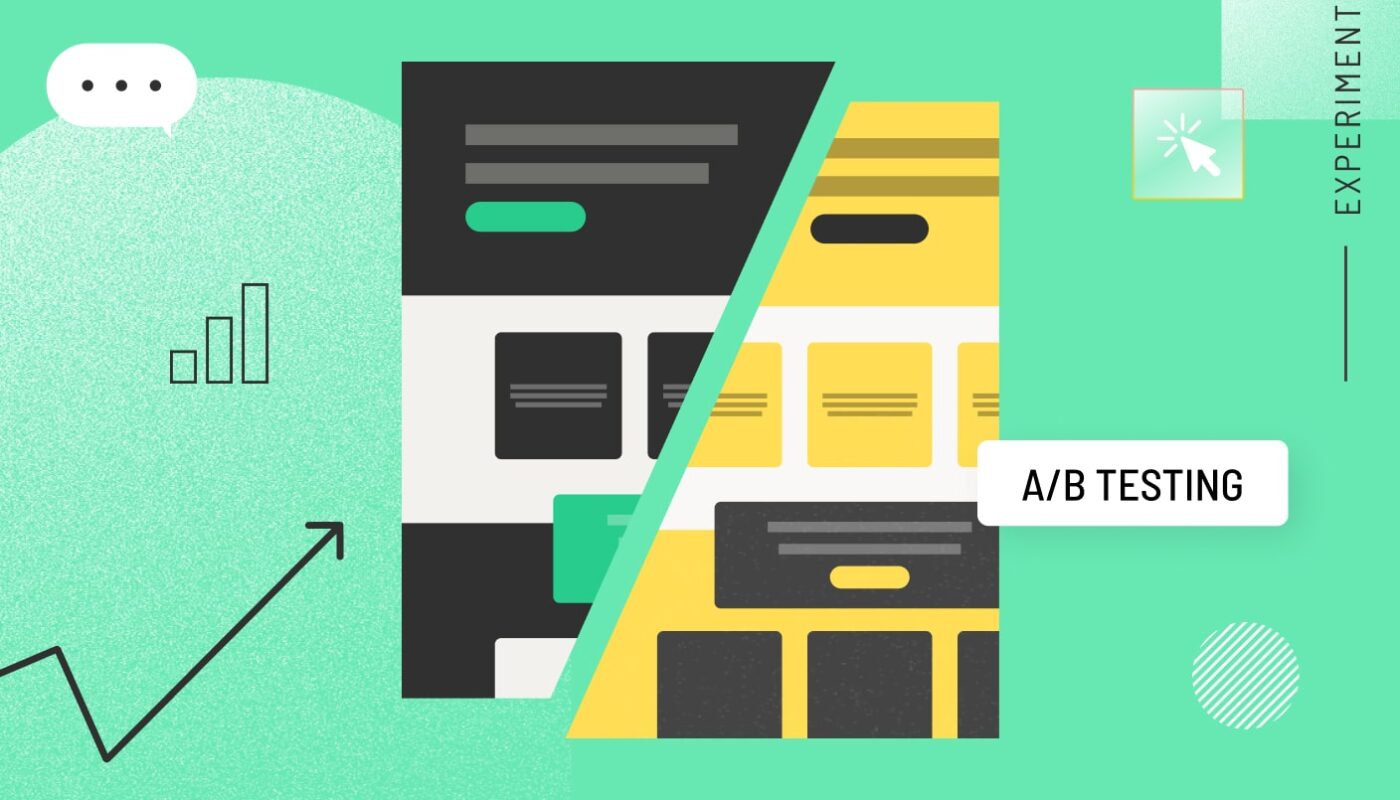
A/B testing, also known as split testing, involves comparing two versions of an asset to determine which performs better. Marketers frequently use this method to optimize landing pages, emails, and digital ads by identifying what works best and refining their strategies accordingly.
How Does A/B Testing Work?
- Set Your Goal: Define what you want to achieve—such as higher conversions or increased engagement.
- Choose Your Variable: Select a single element to test, like a headline, button color, or pricing.
- Create Variants: Develop a different version of your asset with one altered element.
- Set Up Your Test: Use an A/B testing tool to randomly split your audience, ensuring each segment sees only one version.
- Run the Test: Launch and let it run until you gather enough data for statistically significant results.
- Analyze Results: Compare performance metrics based on your initial goals.
- Implement the Winner: Roll out the best-performing version to your entire audience.
- Iterate: Use insights from the test to inform future optimizations.
Why Is A/B Testing Important?
The core advantage of A/B testing is enabling data-driven decision-making. As marketing budgets tighten, removing guesswork becomes crucial. Concrete data helps justify strategies, making arguments more compelling and reducing reliance on intuition. Ultimately, A/B testing provides the evidence needed to refine marketing efforts effectively.
For a deeper understanding of how web design impacts marketing success, consider exploring what are the best web design agencies in Erie PA.
12 Core Benefits of A/B Testing
Let’s explore how A/B testing can elevate your marketing efforts across various dimensions.
1. Improve Conversion Rates
A primary benefit of A/B testing is boosting conversion rates. For example, if your landing page currently converts 2%, testing different headlines, layouts, or calls to action can reveal what elements encourage more visitors to take action. Continuous iteration can significantly increase your conversion rate, turning more visitors into customers.
2. Enhance User Experience
A/B testing allows you to experiment with design elements—hero images, color schemes, content placement, and more—to improve overall user experience (UX). Better UX leads to higher engagement and conversions because visitors find your site easier and more enjoyable to navigate.
Key principles for optimal design include:
- Create Focus: Guide visitors toward a single goal.
- Build Structure: Use visual hierarchy to direct attention.
- Maintain Consistency: Ensure your messaging aligns across channels.
- Showcase Benefits: Highlight what users gain.
- Draw Attention: Use contrasting colors and compelling CTAs.
- Design for Trust: Incorporate social proof.
- Reduce Friction: Make interactions seamless.
3. Increase ROI on Marketing Campaigns
A/B testing helps optimize existing campaigns—like emails, ads, or landing pages—to generate more value from your efforts. For instance, testing different email subject lines or content variations can improve open and click-through rates, ultimately increasing conversions and ROI.
4. Inform Decision Making
Reliable data from A/B tests empowers teams to make informed choices rather than relying on gut feelings. This evidence-based approach leads to more effective strategies and resource allocation.
5. Reduce Bounce Rate
Testing different versions of your landing pages—such as headlines, images, or layout—can identify what keeps visitors engaged. For example, replacing a generic headline with a benefit-focused one may decrease bounce rates and encourage visitors to explore further.
6. Increase Engagement
By experimenting with content types—like videos versus articles—you can discover what resonates most with your audience. A/B testing helps refine content strategies to maximize user engagement and retention.
7. Improve Customer Satisfaction
Optimizing each touchpoint—top of funnel, product pages, checkout, post-purchase—via testing enhances the customer journey. Better experiences foster loyalty, encourage repeat business, and increase satisfaction levels.
8. Mitigate Risks
Introducing new branding, features, or offers can be risky. A/B testing provides a controlled environment to evaluate changes with smaller audiences before broader deployment, reducing potential negative impacts.
9. Guide Product Development
Feedback from A/B tests informs product improvements. Testing new features or designs with users helps identify what resonates, enabling better development decisions and smoother rollouts.
10. Personalize Marketing Strategies
Segmenting audiences based on attributes like location or behavior allows for tailored content. Incorporating insights from A/B tests enhances personalization efforts, leading to more relevant messaging and higher engagement.
11. Fine-Tune Pricing Strategies
Testing different price points or value propositions helps determine what maximizes revenue without alienating customers. Effective pricing tests focus on perceived value rather than just the numbers.
12. Gain a Competitive Edge
Continuous testing enables your business to stay ahead by discovering what elements differentiate you from competitors. Optimizing website design, ads, and strategies ensures you remain relevant and effective.
Real-World A/B Testing Examples
Looking for inspiration? Many marketers have successfully leveraged A/B testing to drive results. From optimizing landing pages to refining ad creative, these stories demonstrate the tangible benefits of a data-driven approach.