Looking to elevate your skills as a web designer? Here are 13 actionable tips to foster your creative growth and refine your craft.
Whether you’re just starting out or have built countless websites, continuous improvement is key to staying ahead in web design.
1. Embrace Simplicity in Color Schemes
With an abundance of vibrant shades available, it’s tempting to use bold colors freely. However, overusing multiple hues close together can create visual chaos that distracts from your content.
Opt for a streamlined color palette paired with neutral backgrounds. This approach allows accent colors—such as call-to-action buttons or menu highlights—to truly stand out and draw attention. Sometimes, a simple white, black, or subtle neutral background is all you need.
Example:
Made in Webflow, Emi Styles’ bridal hair website demonstrates how a minimalistic color scheme exudes calmness and order. To enhance your color choices, explore color theory for better decision-making.
2. Select and Edit Images Thoughtfully
Images significantly impact your website’s aesthetic and user experience. Poorly shot or blurry photos can undermine even the most stunning designs. Generic stock images may also make your site feel uninspired.
Use high-quality photos and invest time in cropping and editing. Adjust saturation, warmth, contrast, or apply filters to harmonize images with your overall design. Ensure that each image aligns with the content context; an unrelated photo can confuse visitors.
Pay attention to file formats—JPGs are typically better for photographs, while PNGs suit graphics with transparency. Proper optimization improves load times and overall site performance.
3. Master SEO Basics
While web design is your craft, understanding SEO can significantly enhance your work’s visibility. Key areas include:
- Proper use of header tags (
<h1>,<h2>,<h3>) - Creating descriptive and SEO-friendly URLs (slugs)
- Optimizing images for faster loading, reducing bounce rates
For a comprehensive overview, check out what are the best web design agencies in erie pa, which offers insights into integrating SEO with design practices.
4. Prioritize Responsive Design

With diverse devices accessing your website—from desktops to smartphones—your design must adapt seamlessly. Responsive design ensures a consistent, user-friendly experience regardless of screen size, avoiding over-reliance on complex animations that may not perform well on all devices.
Learn more about creating accessible designs in our Intro to Responsive Design.
5. Maintain Consistent Typography
Just like reading a well-edited book, users expect uniformity in web content. Consistent font sizes, line spacing, colors, and weights across pages improve readability and professionalism.
Create a style guide to standardize typography and use tools like Webflow’s Style Manager to keep track of text styles, ensuring a cohesive look throughout your site.
6. Incorporate Diversity and Inclusion
Visitors come from varied backgrounds, abilities, and identities. Designing with inclusivity in mind involves choosing imagery and illustrations that represent different ethnicities, genders, ages, and abilities.
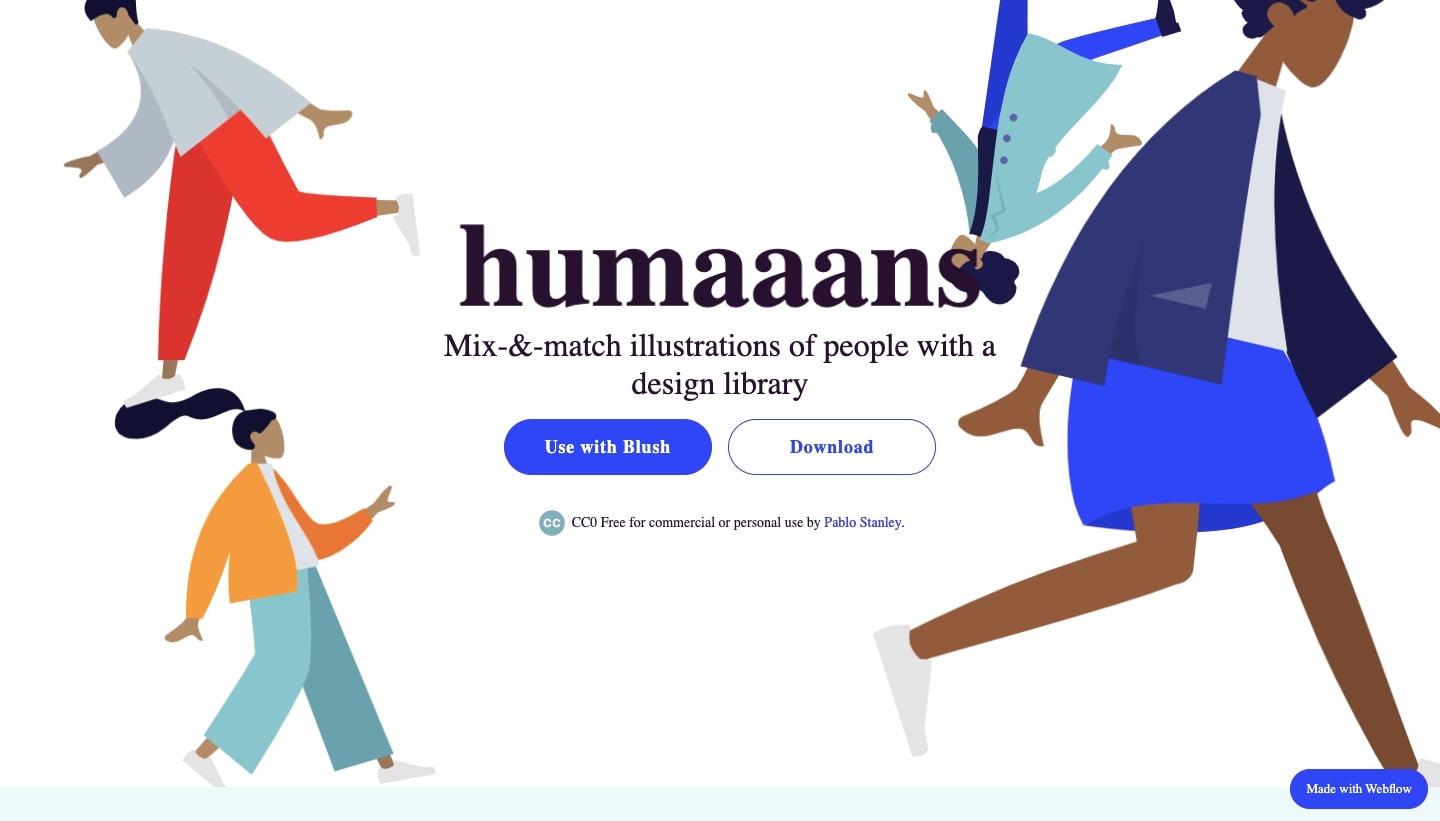
Tools like Pablo Stanley’s Humaaans library make it easy to add diverse characters, fostering a welcoming environment for all users.
7. Define Your Unique Designer Identity
Web designers often possess multifaceted skills—UI, UX, branding, and more. However, specializing in areas that excite you helps you stand out.
Identify the types of clients or industries you enjoy working with—tech startups, restaurants, or e-commerce. Develop a personal aesthetic that reflects your style, whether minimalistic, abstract, or experimental. This clarity in your identity simplifies your portfolio, LinkedIn profile, and outreach efforts.
Visual Examples:
(Insert a selection of your own or inspiring designer images to showcase your style.)
8. Mentor and Collaborate

Becoming a mentor not only helps others grow but also sharpens your critique skills. Analyzing someone else’s work deepens your understanding of design principles and enhances your ability to evaluate your own projects critically.
9. Build a Portfolio with Case Studies
While often overlooked, case studies provide in-depth insights into your design process. They demonstrate your problem-solving skills, approach, and growth over time.
Detailed case studies help visitors understand your methodology and give you a record of your progress. They highlight your strengths and areas for improvement, making your portfolio more compelling.
10. Learn Fundamental Web Design Principles

Understanding core principles like visual hierarchy, Gestalt theory, the golden ratio, and color theory provides a strong foundation for your design decisions.
Explore resources on 10 effective web design principles every designer should know to deepen your knowledge and improve your work.
11. Seek Constructive Feedback
While positive affirmations are nice, honest critique is essential for growth. Clearly communicate what kind of feedback you need, providing context about your project goals.
Ask questions such as:
– Is the content well-organized?
– Does the UI make sense?
– Is the visual hierarchy effective?
– Are there usability issues?
– Is the design responsive?
– Does it engage visitors?
Remember to gather input from diverse perspectives—marketers, writers, friends—to enrich your understanding.
12. Stay Inspired
Avoid stagnation by regularly exploring exceptional web designs. Follow platforms like Awwwards, Behance, Dribbble, and the Webflow Showcase. Follow your favorite designers on social media to stay updated with fresh ideas and trends.
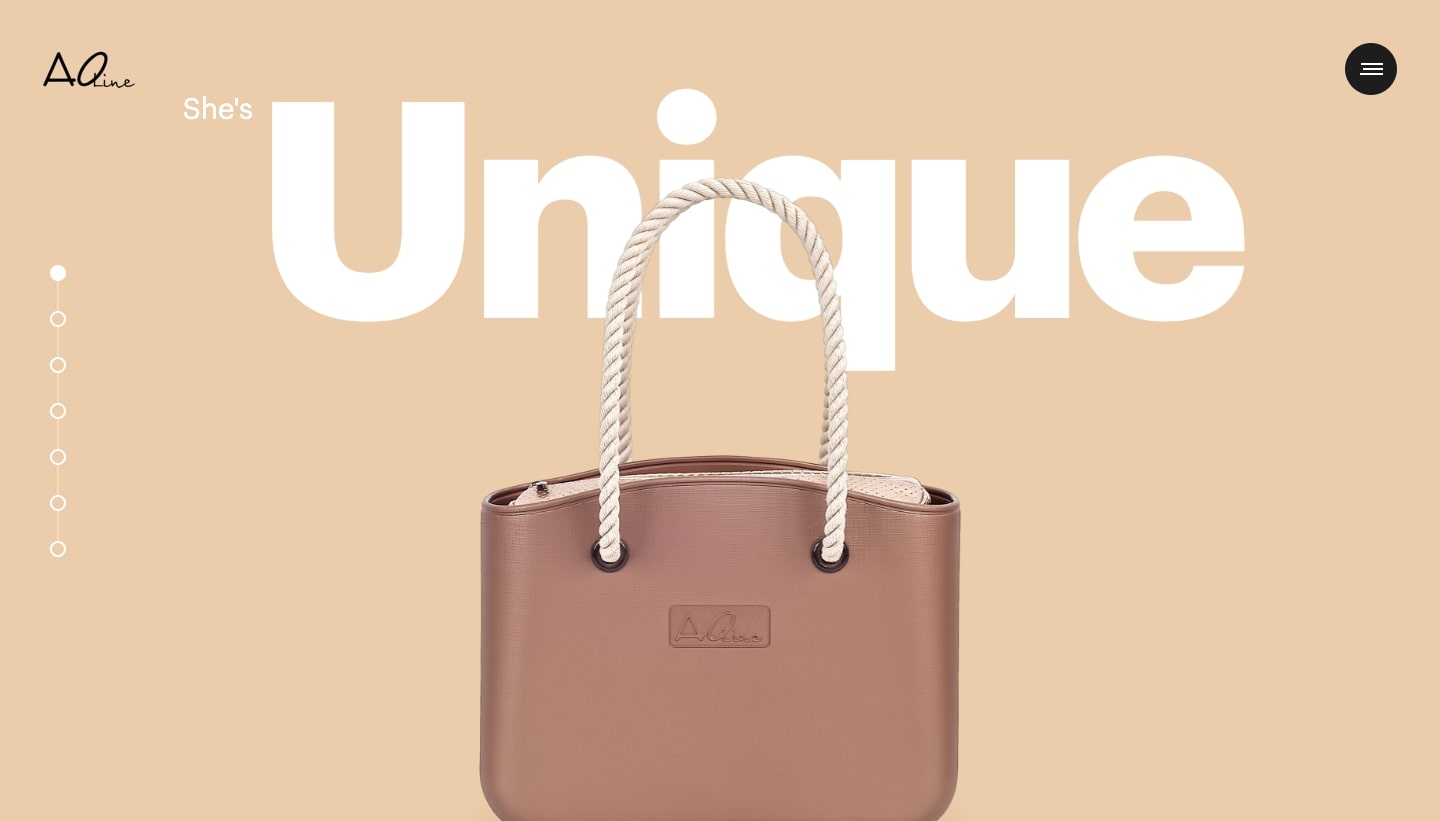
AOline, with its unique handbag concept, is just one example of the innovative work showcased in the Webflow community.
13. Experiment with Unconventional Projects
Push your boundaries by creating experimental or boundary-pushing designs. Reimagine existing websites or craft entirely new, unconventional concepts. Stepping outside your comfort zone fosters growth and new perspectives.
Remember, not every experiment will be perfect—and that’s okay. Personal projects are your safe space to fail and learn without pressure.
Keep Learning and Growing
Web design is an ever-evolving field. Staying curious and continuously acquiring new skills keeps your work fresh and exciting. How do you stay updated? Share your techniques in the comments!