Understanding what a taxonomy is and how it integrates into the broader landscape of user experience (UX) and information architecture (IA) is crucial for practitioners seeking to organize content effectively. Taxonomies serve as the backbone of semantic structuring, enabling more precise content retrieval, improved navigation, and richer user interactions. In this discussion, we will explore the fundamental principles of taxonomies, differentiate them from related structures, and outline practical steps for their development and maintenance.
Taxonomies, often referred to as controlled vocabularies in information science, are deliberately designed systems that define a limited set of terms used to describe content with consistency and clarity. They function as structured metadata schemas that facilitate efficient content classification and retrieval. The core idea is that content creators attach predefined terms to digital assets—such as pages, articles, or products—using a controlled vocabulary that remains consistent across the platform. This controlled approach prevents ad hoc or inconsistent tagging, ensuring reliability and ease of search.
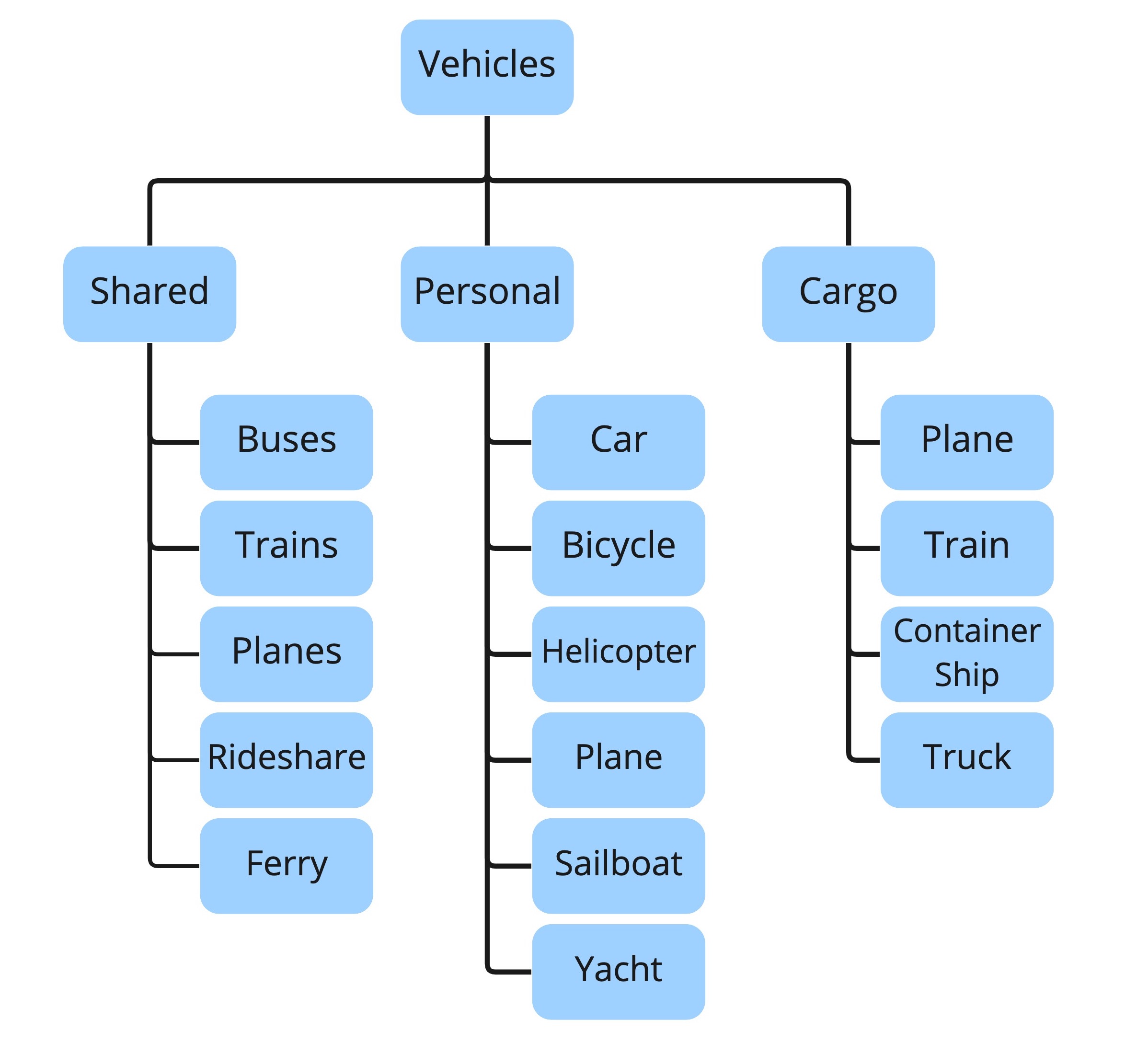
A typical taxonomy is a closed list of acceptable terms arranged hierarchically, allowing for clear parent-child relationships among concepts. For example, a website about vehicles might organize vehicle types from broad categories like “Land Vehicles” down to specific models such as “Electric Cars.” An illustrative hierarchy could be visualized as a simple tree diagram, as shown in this example. Each content item is tagged with one or more of these terms, simplifying backend management and enhancing user navigation. Unlike navigation menus, which are designed for user interaction, taxonomies operate behind the scenes as metadata layers that support various IA functions.
It is important to distinguish between taxonomies and the navigation structures users interact with daily. Navigation menus, site maps, and content hierarchies are visible to users and aim to match their mental models. Conversely, taxonomies provide a more technical, conceptual organization that underpins the IA. They describe how content concepts relate to each other, often independent of the actual user interface. For example, while the navigation may showcase a simplified menu, the underlying taxonomy might involve detailed classifications used for search filtering or content recommendations.
Types of Organization Models in IA
Information architecture encompasses various models that organize content at different levels. These include:
- Navigation: The visible menus, links, breadcrumbs, and accordions that guide users through the site. Navigation is considered a frontstage element, directly visible to users.
- IA Structure: The comprehensive map of all site content and how it connects internally. Often called a site map, it resides behind the scenes, guiding content placement and structural decisions.
- Taxonomies: Hierarchical metadata systems that categorize content concepts, facilitating precise retrieval and connections across content types.
- Content Models: Descriptions of different content types, their attributes, relationships, and metadata, which help in structuring data internally.
In practice, these models intersect but serve distinct purposes. For instance, a navigation menu may display a subset of the IA, while the taxonomy provides the detailed conceptual framework that supports search facets and related content. As noted by information architects, understanding how these layers interact is vital for designing scalable and maintainable systems.
Taxonomies also act as metadata schemas describing content elements—such as pages, articles, or products—and establishing relationships among them. This mapping of concepts enables advanced functionalities like faceted search, where users can filter results by multiple attributes simultaneously. For example, a library catalog might allow users to filter books by genre, author, publication year, and format, all driven by a robust faceted taxonomy. For further insights, see this overview of masterful card UI components.
Another important facet involves controlled vocabularies like thesauri and ontologies. These structures extend the capabilities of simple taxonomies by incorporating associative relationships (e.g., related terms) and more complex semantic mappings. Thesauri, for example, manage synonyms and related concepts—crucial for comprehensive search results. An example includes linking “RFP,” “Proposal,” and “Statement of Work” as related terms, ensuring search completeness. For understanding how ontologies support complex knowledge modeling, especially in scientific or technical contexts, review this resource.
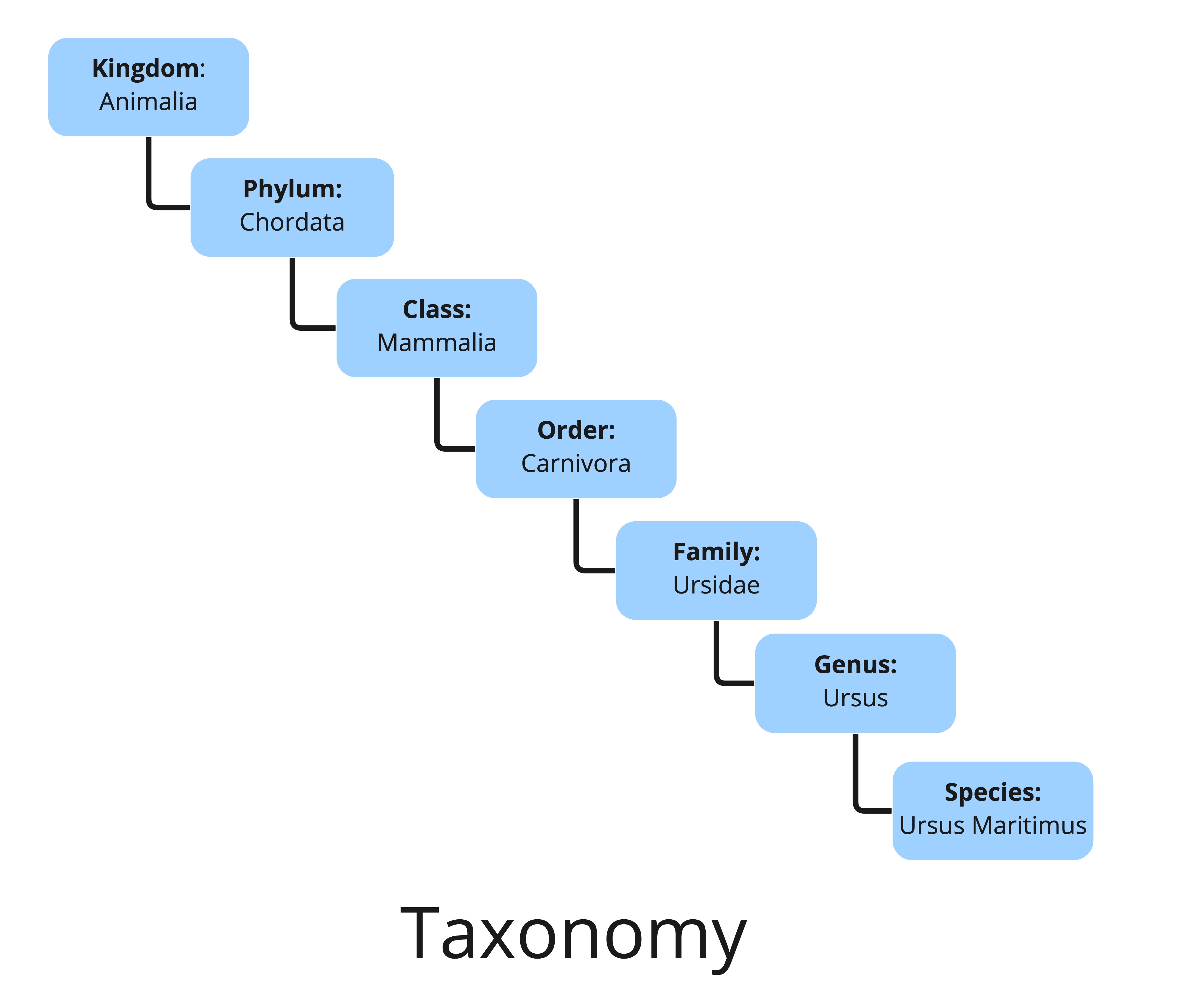
Ontologies go even further, supporting detailed and multidimensional relationships among concepts, like habitat, conservation status, or properties of biological species, as illustrated in this taxonomy example. These structures are typically developed by teams of specialists but are essential for domains requiring precise knowledge mapping.
Building a Taxonomy
Developing a taxonomy involves systematic steps, starting with a thorough inventory of existing content. Begin by auditing your current assets—analyzing keywords, metadata, and content topics. If an industry-standard taxonomy exists, leverage it; for instance, exploring resources like BARTOC.org can provide valuable starting points. When creating your own, identify key concepts from your content, user data, and stakeholder input, ensuring these concepts are relevant and comprehensive.
Establish clear relationships among concepts, deciding on hierarchical structures—what is broader or narrower—and related associations. For example, you might define “Digital Marketing” as a parent concept with child topics like “SEO,” “Content Strategy,” and “Social Media.” During this process, select preferred terms that are intuitive and meaningful to users, balancing internal jargon with user-friendly language. This step might involve consulting with subject-matter experts and conducting user research.
Implementing the taxonomy requires tagging content consistently, which often necessitates training and guidelines for content managers. Automated classification tools can assist but will need ongoing refinement. The taxonomy must be maintained over time, with regular reviews to add, update, or retire terms, ensuring it remains aligned with evolving content and user needs.
For a detailed methodology, see the guidelines on developing effective websites and strategies for positioning yourself for a successful web design career.
Summary
Taxonomies serve as the unseen, yet vital, backbone of well-structured digital environments. They enable precise content classification, facilitate advanced search features, and support content relationships that improve user experience. When managed diligently, they complement visible navigation systems and contribute to the overall effectiveness of information architecture, ultimately helping users find what they need quickly and efficiently. Proper taxonomy development and ongoing governance are essential to maintaining a scalable and user-centric digital presence.
References
Dean Allemang, James Hendler. 2011. Semantic Web for the Working Ontologist (2nd. Ed.). Morgan Kauffman, Waltham, MA.
Heather Hedden. 2016. The Accidental Taxonomist (2nd Ed.). Information Today, Medford, NJ.
International Organization for Standardization. (2011). Information and documentation — Thesauri and interoperability with other vocabularies — Part 1: Thesauri for information retrieval (ISO Standard No. 25964-1:2011). Retrieved from https://www.iso.org/standard/53657.html
Mary Whittaker and Kathryn Breininger. 2008. Taxonomy Development for Knowledge Management. In World Library and Information Congress: 74th IFLA General Conference and Council, 10-14 August 2008, Québec, Canada.