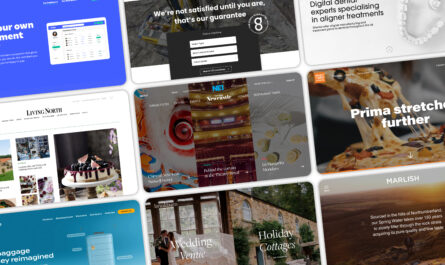
Exploring the right resources can significantly elevate your web development skills and understanding of design principles. Whether you’re just starting out or looking to refine your expertise, a well-chosen book can provide invaluable insights into the fundamentals and advanced techniques of web design. From mastering user experience to understanding the importance of visual aesthetics, these books serve as essential guides in the ever-evolving world of web development.
As you delve into this list, consider how foundational design principles underpin effective website creation. For instance, understanding how graphic elements influence user engagement is crucial; you can explore the importance of visual design in web development. Additionally, staying current with SEO best practices ensures your website reaches a broader audience, which is why familiarizing yourself with top agencies in Europe can be beneficial, such as through the leading SEO firms in the region.
In the realm of user engagement, showcasing testimonials effectively can make a significant difference. Learning how to display compelling client feedback is a skill that enhances credibility. Furthermore, creating intuitive and visually appealing UI designs is essential; discovering strategies for engaging web application interfaces can elevate your projects.
Below is a curated collection of influential books that cover various aspects of web design, from coding fundamentals to aesthetic principles:
Top Web Design Books to Enhance Your Skills
1. “Don’t Make Me Think, Revisited: A Common Sense Approach to Web Usability”
This classic emphasizes intuitive navigation and user-centered design, making it a must-read for anyone aiming to improve website usability.
2. “Responsive Web Design”
Learn how to craft flexible, mobile-friendly websites that adapt seamlessly to different devices, ensuring an optimal user experience across platforms.
3. “HTML and CSS: Design and Build Websites”
A comprehensive guide to the core technologies of web development, perfect for beginners eager to understand the building blocks of the web.
4. “HTML5 for Web Designers”
Explore the latest standards in web markup, enabling you to utilize advanced features like multimedia and semantic elements effectively.
5. “The Principles of Beautiful Web Design”
Discover the fundamentals of aesthetic design, including color theory, layout, and visual hierarchy, to create visually appealing websites.
6. “Learning Web Design: A Beginner’s Guide to HTML, CSS, JavaScript, and Web Graphics”
This book offers a broad overview for newcomers, covering essential skills needed to develop engaging websites from scratch.
7. “CSS3 For Web Designers”
Master the latest CSS techniques for creating stylish, responsive, and interactive web pages that captivate users.
8. “Mobile First”
Focus on designing for mobile devices first, ensuring that your websites are accessible and functional on smartphones and tablets.
9. “Designing With Web Standards”
Adopt best practices for writing clean, accessible, and future-proof code that adheres to web standards.
10. “Designing for Emotion”
Learn how to evoke emotional responses through thoughtful design, enhancing user engagement and satisfaction.
11. “Bulletproof Web Design”
Develop resilient websites that can withstand various scenarios, ensuring consistent performance and appearance.
12. “Web Form Design”
Understand how to create user-friendly forms that improve conversion rates and reduce frustration.
13. “The Design of Everyday Things”
Explore cognitive psychology principles behind effective design, applicable beyond web development to physical and digital products alike.
14. “JavaScript and jQuery”
Enhance interactivity on your sites by mastering JavaScript and popular libraries like jQuery.
15. “Design Is a Job”
Gain insights into the professional landscape of web design, including workflows, client relationships, and industry standards.
16. “The Elements of User Experience”
Learn about designing websites centered around user needs, balancing aesthetics, functionality, and usability.
17. “100 Things Every Designer Needs to Know About People”
Understand human psychology to design interfaces that resonate with users and meet their expectations.
18. “The Elements of Content Strategy”
Plan and organize web content effectively to support your design and improve user engagement.
19. “CSS: The Missing Manual”
Deepen your understanding of CSS with practical tips and techniques for sophisticated styling.
20. “Handcrafted CSS”
Create resilient, maintainable CSS with best practices that ensure your designs are bulletproof.
21. “Letting Go of the Words”
Improve your web writing skills to craft content that communicates clearly and drives action.
22. “Information Architecture for the Web”
Structure large websites logically to enhance navigation and user experience.
For those eager to advance further, understanding modern UI design principles is crucial. Explore 11 innovative approaches to crafting compelling web application interfaces to stay ahead in this dynamic field. Whether you’re sharpening your coding skills or honing your visual design sensibility, these books provide a solid foundation and inspire creative growth in web development.