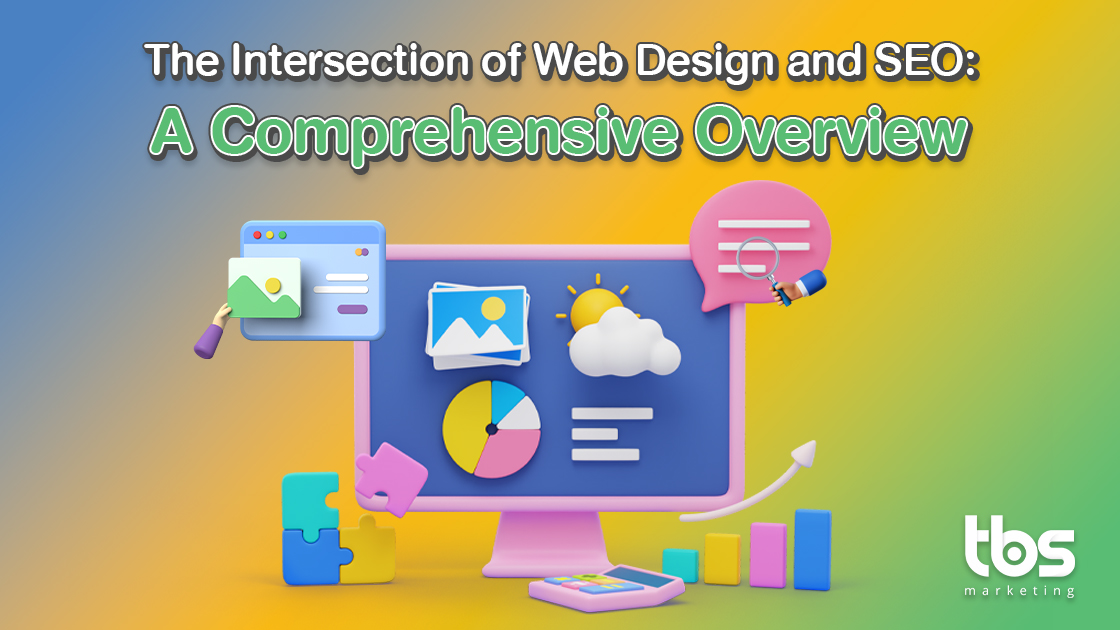
Creating an effective website today requires more than just eye-catching visuals; it demands a strategic integration of design and search engine optimization (SEO). When these elements work together seamlessly, your site not only attracts visitors but also ranks higher in search engine results, leading to increased visibility, traffic, and conversions. This comprehensive overview explores the essential relationship between web design and SEO, offering insights into how to optimize both for optimal performance.
Understanding Web Design SEO
Web Design SEO refers to the deliberate blending of aesthetic and functional website elements with SEO best practices. The goal is to craft visually appealing websites that are also highly optimized for search engines. This dual focus ensures that your website is engaging for users while being easily discoverable by search crawlers. When executed correctly, this approach results in higher organic traffic, improved search rankings, and enhanced user engagement. For more on the specifics of growth-driven web design, visit this resource.
How Web Design Influences Search Engine Optimization
The relationship between web design and SEO is profound. Search engines like Google assess various design-related factors to determine a website’s ranking. These include mobile responsiveness, site structure, navigation ease, and overall user experience. Websites that provide a seamless, intuitive experience tend to perform better in SERPs.
Mobile responsiveness, in particular, plays a critical role; statistics reveal that over 55% of web traffic originates from mobile devices, and approximately 92.3% of internet users access the web via smartphones. Consequently, a mobile-friendly design is imperative for SEO success. Ensuring your site adapts to different screen sizes not only improves user experience but also aligns with search engine ranking criteria.
Enhancing your website’s speed is equally vital. Slow-loading sites frustrate users and lead to higher bounce rates, negatively impacting SEO. Techniques such as image optimization, leveraging browser caching, and minimizing heavy scripts can significantly improve load times and, by extension, your rankings.
Key Elements of SEO-Integrated Web Design
Effective SEO in web design hinges on several core principles:
- Responsive Design: Guaranteeing your website functions flawlessly across all devices and screen sizes.
- Clear Navigation and Site Structure: Building an intuitive hierarchy improves crawlability and user flow.
- Content Strategy: Developing content that aligns with user intent, incorporating relevant keywords, multimedia, and engaging formats.
- Metadata and Tags: Proper use of title tags, meta descriptions, header tags, and schema markup guides search engines and enhances visibility.
Incorporating these elements creates a website that is both user-friendly and optimized for search engines. For a deeper dive into modern web development techniques, exploring the versatile applications of JavaScript can be beneficial.
Prioritizing User Experience (UX) in Web Design for SEO
User experience is a cornerstone of successful web design SEO. A site that is visually appealing yet difficult to navigate will deter visitors, regardless of its aesthetic quality. Conversely, a user-centric design fosters trust, encourages longer visits, and boosts engagement metrics—all positive signals to search engines.
Implementing thoughtful layouts, clear navigation menus, and engaging visuals enhances UX. Typography, color schemes, and imagery should be chosen with care to create an inviting environment. According to HubSpot, effective web design can substantially increase user engagement and online revenue.
Partnering with experienced professionals ensures your website’s UX is optimized at every stage. For affordable and professional web design solutions in Orlando, explore here.
Content Optimization and Web Design
Integrating SEO with web design extends beyond visual elements; it involves meticulous content optimization. This includes strategic keyword placement in text, meta tags, and headers, as well as high-quality content marketing—such as articles, infographics, and videos—that establish authority and trustworthiness in your niche.
Utilizing keyword research tools helps organize content effectively, making your site more understandable to search engines. Engaging content aligned with Google’s E-E-A-T (Experience, Expertise, Authoritativeness, Trustworthiness) guidelines builds credibility and attracts organic traffic.
At TBS Marketing, professional content writers leverage AI tools to craft optimized content that delivers value and cost efficiency. To learn more about our content strategies, contact us today.
The Critical Role of Website Speed in SEO
Page load times directly influence both user experience and search rankings. Slow websites increase bounce rates and decrease conversions. To improve speed, focus on image optimization, efficient coding, and minimizing scripts. Techniques like browser caching and content delivery networks (CDNs) can further enhance load times.
Advanced SEO Techniques in Web Design
Beyond foundational practices, several advanced strategies can elevate your SEO efforts:
- Image Optimization: Reducing file sizes and using descriptive alt text to improve load times and rank in image searches.
- Schema Markup: Implementing structured data to help search engines better understand your content and enhance your listings.
- Accessible Design: Ensuring your site accommodates all users, including those with disabilities, which can positively impact engagement and SEO.
The Influence of Aesthetics on SEO
While not a direct ranking factor, the visual appeal of your website influences user behavior. An attractive site can reduce bounce rates and promote longer engagement, indirectly improving SEO. A well-designed website fosters trust and credibility, encouraging visitors to explore further.
Building SEO into the Web Design Process
Integrating SEO from the beginning of your web development ensures that optimization is not an afterthought. This proactive approach involves conducting keyword research, planning content, and establishing technical foundations during the design phase. Such foresight simplifies ongoing optimization efforts and leads to better overall performance.
For comprehensive technical guidance, resources on growth-driven web design provide valuable insights into building adaptable, SEO-friendly websites.
Continuous Optimization and Monitoring
SEO is an ongoing process. Regularly reviewing website analytics, updating content, and refining technical elements are essential for maintaining and improving search rankings. Keeping abreast of algorithm changes and user behavior trends ensures your site remains competitive.
Leveraging Paid Advertising
While organic SEO yields long-term benefits, paid advertising can deliver immediate traffic boosts. Platforms like Google Ads and social media channels enable precise targeting based on demographics, interests, and keywords. Combining paid campaigns with your SEO efforts can accelerate your online growth. TBS Marketing specializes in creating targeted ad strategies to complement your organic efforts.
Conclusion
Merging web design and SEO is vital for establishing a compelling online presence. A well-designed website that is optimized for search engines not only attracts visitors but also converts them into loyal customers. Success depends on a holistic approach—focusing on user experience, strategic content, technical excellence, and ongoing improvements. Partnering with experts in web design and SEO ensures your website performs at its best, driving traffic, generating leads, and fostering long-term growth.