Creating an interactive website is like designing a captivating digital playground where visitors are invited to explore, participate, and connect. In today’s competitive online environment, simply having a static site no longer suffices. To truly stand out, your website needs to offer real-time, dynamic experiences that foster engagement and build lasting relationships with your audience. This guide will walk you through the essential concepts, practical steps, and best practices to craft a compelling interactive platform, whether you’re a seasoned developer or a newcomer using no-code tools.
Imagine your website as a vibrant space that encourages users to participate actively rather than passively browse. Just as memorable conversations with friends involve mutual interaction, a well-designed interactive site invites visitors to engage through visual elements, forms, multimedia, and real-time updates. These features not only make your site more attractive but also significantly enhance user experience, leading to increased retention and conversions.
In the realm of web design, elements like UI (user interface), well-crafted forms, multimedia content, animations, and real-time functionalities are the building blocks of interactivity. For example, a thoughtfully designed layout with appealing color schemes and intuitive navigation keeps visitors exploring longer. Interactive forms facilitate essential actions like signing up or providing feedback, while multimedia elements such as videos and interactive maps draw users deeper into your content.
Animations and transitions breathe life into your website, making interactions more engaging. Take inspiration from platforms like Airbnb, where hover effects animate listings, creating a sense of exploration. Such visual cues guide users seamlessly through your site, encouraging them to discover more. Additionally, features like parallax scrolling, subtle sound effects, and animated icons add layers of depth and personality, transforming a simple page into an immersive experience.
Real-time updates are indispensable for eCommerce and booking sites, providing instant information on stock levels, prices, or availability. This immediacy builds trust and helps users make confident decisions, ultimately boosting sales and customer satisfaction. Interactive elements like sliders, pop-ups, progress bars, and gamification techniques turn routine browsing into an engaging activity, fostering deeper connections with your brand.
Leveraging social media integration further amplifies engagement, as the average internet user spends over two hours daily on these platforms. Incorporating share buttons or live feeds can encourage visitors to spread your content, creating organic growth. Even if you’re not a developer, modern no-code platforms like Ceros make it easy to embed interactive features through drag-and-drop interfaces, requiring only your creativity and a clear understanding of your brand goals.
Before building your site, define your objectives and identify your target audience. Clarify what you want your website to achieve—whether increasing sales, enhancing brand awareness, or collecting user feedback—and tailor your interactive features accordingly. Developing detailed user personas helps you understand your visitors’ needs, preferences, and pain points, guiding your design choices.
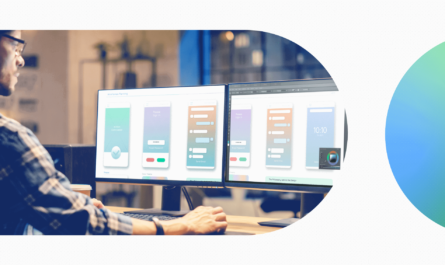
Planning your website’s layout through wireframes acts as a blueprint, mapping out the user journey and interaction points. Collaborate with stakeholders early to gather feedback, ensuring your design is both functional and appealing. When selecting a no-code builder, consider your specific needs, available templates, customization options, and support resources. Platforms like WordPress or Wix also support interactive plugins, making it straightforward to add engaging elements without coding.
Once your design is ready, customize your chosen template by incorporating your brand colors, logos, and typography. Developing a cohesive style guide ensures consistency across all marketing channels, reinforcing your brand identity. As you embed interactive features such as quizzes, animated infographics, or interactive product showcases, follow best practices to optimize usability and accessibility.
Thorough testing is critical to identify and fix issues before launch. Conduct usability tests with real users, verify responsiveness across devices, and check all links and functionalities. Tools like automated testing platforms can streamline this process. After ensuring everything runs smoothly, optimize your site to improve load speeds, reduce bounce rates, and enhance overall performance.
Launching your website involves registering a memorable domain, selecting reliable hosting, and connecting everything through a control panel. Once live, monitor user interactions and gather feedback to refine and evolve your site continually. Remember, a successful interactive website is never truly finished—it adapts and improves based on user behavior and technological advancements.
The power of interactive web design extends beyond aesthetics; it transforms passive visitors into active participants. Platforms like Ceros exemplify how dedicated tools enable you to craft compelling experiences without extensive coding knowledge. Embracing such technology not only elevates your website’s appeal but also boosts conversion rates and customer loyalty.
Explore the possibilities, experiment with different features, and keep learning about best practices in web design. For further insights, consider reviewing resources such as web design principles or strategies to attract more clients in the digital space. With dedication and creativity, your website can become a powerful tool for engagement and growth.