


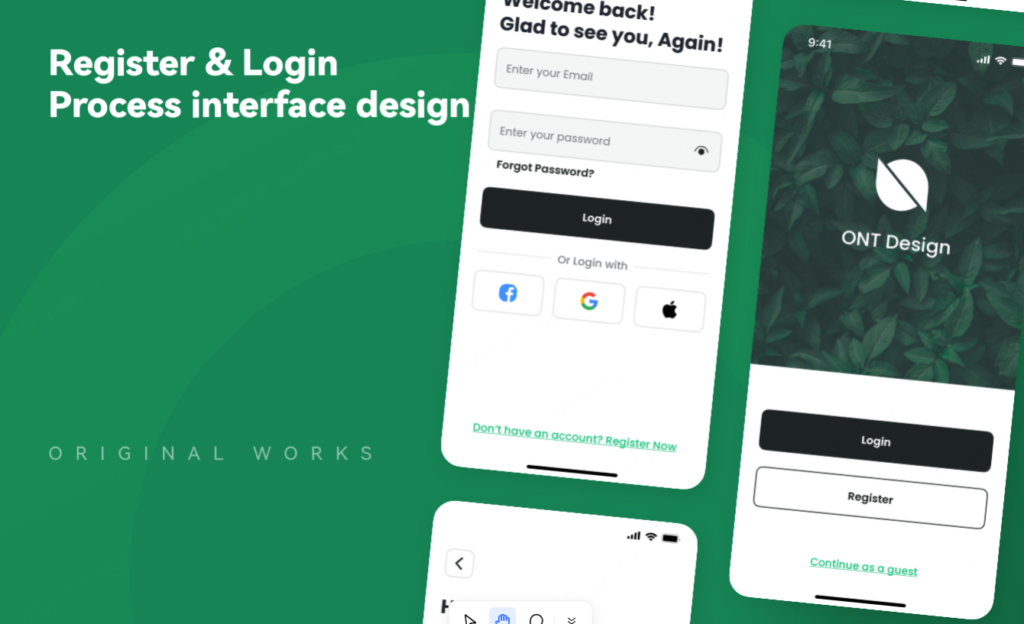
Creating an engaging and efficient web interface is fundamental to the success of any online platform. It acts as the digital storefront that welcomes visitors and guides them through your content or services. A well-designed interface not only captures attention but also ensures users can navigate effortlessly, leading to higher satisfaction and increased conversions. Understanding the core principles of web interface design and its significance can transform a basic website into a powerful tool that resonates with users and elevates your brand’s reputation.
Decoding Web Interface Design: What’s the Deal?
Web interface design, often abbreviated as web UI design, focuses on crafting the visual and interactive elements that users directly engage with on a website or web application. This includes layout, color schemes, typography, buttons, and interactive features. But beyond aesthetics, effective interface design emphasizes usability—making sure that users can perform their desired actions smoothly and intuitively. Think of it as organizing a kitchen where everything is in its proper place; utensils are accessible, and the workflow is logical, which makes cooking easier. Similarly, a well-structured web interface enables users to accomplish tasks with minimal effort.
For example, when designing an e-commerce platform, the goal is to streamline the process of browsing products, adding items to the shopping cart, and completing the checkout. Proper placement of buttons, logical categorization of products, and appealing color choices all contribute to a frictionless shopping experience. Achieving this balance between style and functionality requires a blend of artistic design and strategic planning.
Why Web Interface Design is a Big Deal
Key to a Great User Experience
Imagine browsing a messy kitchen where ingredients are scattered everywhere. Frustrating, right? The same applies to a poorly designed website. An intuitive web interface allows visitors to navigate effortlessly, find what they need quickly, and enjoy their interaction. When users have positive experiences, they are more likely to return and recommend your site to others. Building this relationship is akin to fostering customer loyalty—an essential component of long-term success.
Accessibility for All: A Must-Have
Designing for accessibility is no longer optional; it is a necessity. An inclusive web interface adheres to guidelines like the Web Content Accessibility Guidelines (WCAG), ensuring that people with disabilities can use your site without barriers. For instance, providing text alternatives for images or ensuring sufficient contrast enhances usability for everyone. Accessibility also reflects your brand’s commitment to inclusivity and social responsibility, expanding your reach to a broader audience. For further insights into making websites more accessible, you can explore this comprehensive guide.
Brand Image and Credibility: Your Online Reputation
Your website’s interface is a visual representation of your brand. A polished, cohesive design can elevate your credibility and leave a lasting impression. Luxury brands, for example, often utilize elegant typography and sophisticated layouts to convey exclusivity. Conversely, a disorganized or outdated interface can undermine trust and deter potential customers. First impressions matter—just as in face-to-face interactions—your site’s appearance influences perceptions of professionalism and reliability.
Conversion Rates: Turning Visitors into Customers
Effective interface design directly impacts your ability to convert visitors into customers or subscribers. Complex or confusing UI elements can cause users to abandon their tasks. On the other hand, a clean, straightforward design guides users seamlessly toward desired actions, such as completing a purchase or signing up for a newsletter. Clear calls-to-action and intuitive navigation act like signposts, helping users reach their goals efficiently.
Standing Out in the Crowd: Your Competitive Edge
In a digital landscape filled with countless websites, standing out is vital. An innovative and well-executed web interface can distinguish your brand from competitors. Think of it as a vibrant billboard amid a sea of dull signs—attention-grabbing and memorable. A unique design not only attracts visitors but also enhances brand recognition and loyalty.
Designing a Web Interface: A Step-by-Step Guide
Know Your Audience
Before diving into design, it’s crucial to understand who your users are. What are their needs, preferences, and pain points? This is similar to tailoring a suit to fit perfectly—you need to know the measurements. Conduct user research, gather feedback, and create personas to inform your design decisions. A user-centered approach ensures your website aligns with your audience’s expectations.
Define Your Information Architecture
Consider the structure of your website as a detailed map guiding visitors through various sections and pages. Clear architecture helps users find information effortlessly and reduces confusion. Think of it as a building directory—without it, visitors might get lost. Developing a logical hierarchy and sitemap simplifies navigation and enhances overall usability. For insights into structuring your website effectively, refer to this authoritative resource.
Create a Design System
A design system functions like a toolkit, ensuring visual consistency across your website. It includes standardized elements such as buttons, fonts, colors, and layout patterns. Consistency fosters familiarity, making your site easier to use and more professional-looking. Just as using the same tools for a project creates harmony, a unified design system enhances user trust and brand cohesion.
Use Visual Hierarchy
Visual hierarchy directs the user’s attention to the most important elements first. Use size, color, contrast, and placement to emphasize key information—much like headings and subheadings in a book guide your reading. Effective hierarchy ensures users quickly grasp the purpose of each section and navigate intuitively through your site.
Test and Refine
Design isn’t complete until it’s tested with real users. Gather feedback through usability testing, observe how users interact with your site, and make necessary adjustments. This iterative process is similar to tasting a dish before serving—it helps you perfect the flavor. Regular testing ensures your interface remains effective and adaptable to user needs.
Best Practices in Web Interface Design
Simplicity is King
As the saying goes, less is more. A simple, clutter-free design makes your website more approachable and easier to navigate. A well-maintained garden path exemplifies simplicity—no obstacles, just a clear route forward. Avoid unnecessary elements that distract or confuse users, focusing instead on essential features that support usability.
Responsive Design: A Must in the Mobile Age
With the proliferation of smartphones and tablets, your website must adapt seamlessly to various screen sizes. Responsive design ensures optimal viewing experiences across devices—like a chameleon that changes its appearance to fit its environment. This flexibility increases engagement and reduces bounce rates.
Consistency is Key
Uniformity across your website’s components—colors, fonts, button styles—creates a cohesive experience. Consistency builds trust and helps users feel comfortable navigating your site, much like uniforms foster team unity. Use style guides and design systems to maintain this uniformity.
Clear Navigation: No More Getting Lost
Navigation should be straightforward and intuitive. Users should always know where they are and how to reach their destination. Think of it as a well-marked trail—guiding explorers without confusion. Clear menus, logical structure, and familiar icons facilitate easy movement through your website.
Accessibility First
Prioritize accessibility by adhering to established standards such as WCAG. An accessible website welcomes everyone, including those with disabilities, and demonstrates social responsibility. Creating an inclusive digital space is not only ethical but also broadens your audience and market reach.
Wrapping It Up
Mastering web interface design involves understanding its fundamental principles, applying best practices, and continually refining your approach. By leveraging tools like custom web development, you can craft interfaces that are not only visually appealing but also highly functional and accessible. Remember, a successful web interface balances aesthetics with usability, ensuring visitors enjoy a seamless experience that encourages engagement and loyalty. Start designing interfaces that leave a lasting impression and set your brand apart in the digital realm.