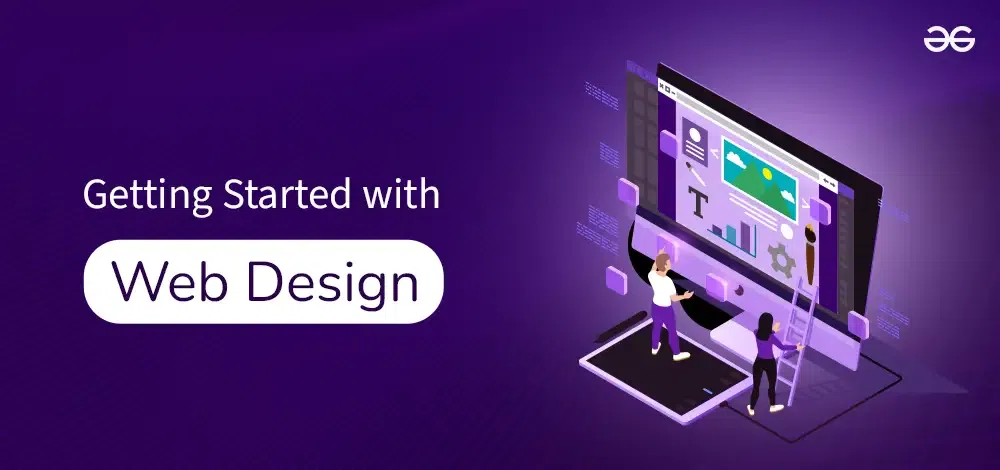
Embarking on a journey to become a web designer can be both exciting and challenging. Like any skill, mastering web design involves understanding foundational concepts, practicing consistently, and staying updated with the latest trends and tools. Whether you’re just starting out or looking to sharpen your skills, this guide provides a clear roadmap to help you navigate the world of web design with confidence and purpose.
Web design is a dynamic field that blends creativity with technical expertise. From crafting visually appealing layouts to ensuring seamless functionality across devices, a web designer’s role is crucial in shaping the digital experiences users encounter daily. To excel, aspiring designers must develop a solid understanding of core principles, learn to use essential tools effectively, and implement best practices in UI/UX design, color theory, and responsive development. Along the way, gaining practical experience through projects and building a compelling portfolio are vital steps toward establishing a successful career.
This guide will walk you through the fundamental aspects of web design, from understanding its core concepts to exploring advanced techniques like creating engaging UI designs and integrating effective testimonials. Whether you’re aiming to work for top European SEO agencies or design captivating web applications, acquiring these skills will set a firm foundation for your growth in the industry.
What Is Web Design?
Web design encompasses the process of creating websites and web pages that are both visually attractive and highly functional. It aims to deliver an intuitive, engaging, and user-friendly experience by carefully combining elements like layout, color schemes, typography, and imagery. The goal is to communicate a message clearly and facilitate user interactions efficiently.
A well-designed website balances aesthetic appeal with technical performance, ensuring that visitors can navigate effortlessly while the site effectively conveys its intended purpose. As the digital landscape evolves, web design increasingly integrates technical skills with creative insights to produce websites that not only meet but often surpass user expectations.
How to Learn Web Design
To become proficient in web design, a structured approach is essential. Follow these key steps to develop your skills systematically:
1. Understanding the Basics
Begin by mastering the foundational concepts that underpin web design. These include layout structuring, navigation systems, typography, imagery, and visual elements. A solid grasp of visual hierarchy, grid systems, and interface design principles will serve as the backbone of your future work.
Developing familiarity with these fundamentals creates a reliable base upon which you can build more complex skills. Additionally, understanding how to craft content and utilize visual hierarchy effectively will enhance your ability to design engaging and intuitive websites.
2. Understanding UI/UX Design
Once comfortable with the basics, delve into User Interface (UI) and User Experience (UX) design. UI design focuses on creating visually appealing interfaces that facilitate user interactions, while UX design centers on optimizing the overall experience of users as they navigate your website or app.
UI/UX are interconnected disciplines that require understanding user needs, designing accessible interfaces, and ensuring that the interaction flow is seamless. Prioritizing user-centered design helps create solutions that are not only attractive but also functional and accessible to all users. To deepen your knowledge, explore authoritative resources on web design principles.
3. Understanding Design Principles
Mastering core design principles is vital for creating aesthetically pleasing and effective websites. These include:
- Balance: Achieving visual harmony by distributing elements evenly.
- Alignment: Proper placement of elements to create order.
- Proximity: Grouping related items to show their connection.
- Repetition: Reinforcing consistency through repeated visual cues.
- Contrast: Differentiating elements to highlight important areas.
- Accessibility: Designing for all users, including those with special needs.
Developing an understanding of these principles enables you to craft cohesive and professional designs. For a comprehensive overview, review web design principles.
4. Color Theory
Color significantly influences perception and emotional response. Color theory involves choosing appropriate color palettes that convey the right message and evoke desired emotions. Proper use of colors can enhance readability, create visual harmony, and strengthen branding.
Misusing colors might lead to miscommunication or confusion. A solid grasp of color theory allows you to select palettes that reinforce your design goals and improve user engagement. To learn more, explore color theory in web design.
5. Typography
Typography is the art of arranging type to make written language legible, readable, and visually appealing. Good typography enhances user experience by making content easy to consume and aesthetically pleasing.
Choosing the right fonts, sizes, and spacing can greatly impact how your website is perceived. Well-executed typography creates a lasting impression and guides users naturally through your content. For further insights, see typography in web design.
6. Choosing the Right Tools
Selecting appropriate design tools is crucial for efficiency and quality. Popular options include:
- Adobe Photoshop
- Figma
- Adobe Illustrator
- Canva
- Sketch
- Wix
- Adobe InDesign
- Adobe After Effects
- Affinity Designer
These tools empower you to create prototypes, mockups, and animations, streamlining your workflow. The choice depends on your specific needs, budget, and familiarity with each platform.
7. Responsive Design
Responsive design ensures your website functions seamlessly across various devices and screen sizes. With the majority of users accessing websites via smartphones and tablets, adapting your design to different viewports is no longer optional—it’s essential.
Implementing responsive design involves flexible layouts, scalable images, and media queries. Learning how to develop responsive websites will significantly improve user experience and increase engagement. For more, visit responsive web design.
8. Practice & Building a Portfolio
Hands-on practice is the most effective way to learn web design. Start by creating your own projects or volunteering to design for startups or non-profits. Building a diverse portfolio showcases your skills and helps attract potential clients or employers.
Share your work on professional networks like LinkedIn and Twitter to gain visibility and feedback. Consider registering on freelancing platforms such as Upwork to find real-world projects. Continuously refine your skills, update your portfolio, and stay active in the design community to establish a successful career.
9. Learning Basic Coding
While web designers aren’t expected to code extensively, understanding fundamental programming languages like HTML, CSS, and JavaScript enhances your ability to communicate with developers and troubleshoot issues. Basic coding knowledge allows you to better translate your designs into functional websites and ensures your visual concepts are feasible.
Resources are available for learning these languages online, making it easier than ever to acquire essential technical skills. Discover more about how coding influences web design.
10. Considering Formal Education or Courses
Structured learning through online courses, bootcamps, or degree programs can accelerate your development. These educational avenues offer comprehensive curricula, mentorship, and industry insights that self-study might lack. Formal education can also provide certifications that bolster your professional credibility.
Explore reputable platforms offering web design courses to find options suited to your learning style and career goals.
Conclusion
Getting started in web design involves a clear understanding of fundamental principles, continuous practice, and staying adaptable to new tools and trends. Focus on mastering the core concepts of design, user experience, and coding, while building a strong portfolio to showcase your skills. The field of web design is highly in demand, with opportunities expanding as more businesses establish their online presence.
Remember, success in web design hinges on a combination of technical knowledge, creativity, and persistent effort. Keep learning, experimenting, and engaging with the design community. For further inspiration and resources, consider exploring the importance of graphic design, and stay updated on industry best practices to ensure your skills remain sharp and relevant.