Web graphic design plays a crucial role in crafting visually compelling and user-friendly websites. It combines artistic creativity with technical functionality to produce digital spaces that are both attractive and effective in communicating a brand’s message. As the online landscape continues to evolve rapidly, understanding the core concepts and modern trends in web graphic design is essential for designers, developers, and businesses aiming to establish a strong digital presence.
This guide explores the fundamentals of web graphic design, from its historical development to current best practices, emphasizing how strategic visual elements and technical skills converge to create engaging web experiences. Whether you are designing a corporate website, an e-commerce platform, or a personal portfolio, mastering these principles can significantly enhance your site’s effectiveness and user engagement.
Web Graphic Design
Web graphic design involves the strategic application of visual design principles specifically tailored for online platforms. It aims to create websites that are not only aesthetically pleasing but also highly functional and accessible. In this field, designers balance artistic elements—such as color schemes, typography, and imagery—with technical considerations like layout responsiveness and accessibility standards. The goal is to craft interfaces that attract visitors and guide them smoothly through content, encouraging interaction and conversion.
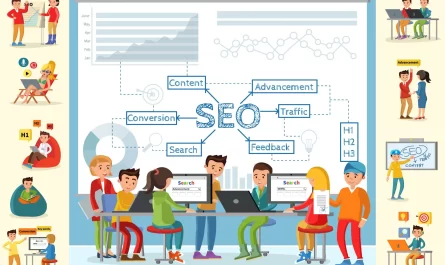
Effective web graphic design also incorporates search engine optimization (SEO), which enhances a website’s visibility in search engine results. SEO integration ensures that visual content and layout choices align with search engine algorithms, making websites more discoverable. As digital marketing tools and user preferences continue to evolve, web designers must stay updated with current best practices, including mobile-first design and accessibility compliance.
Modern web design has transitioned from static pages to dynamic, interactive experiences. This shift is driven by advancements in programming languages like HTML, CSS, and JavaScript, which enable designers to incorporate sophisticated animations, responsive layouts, and multimedia content. For instance, exploring examples of above-the-fold content can provide insights into how to immediately engage visitors when they land on a webpage.
Fields of Study
Web graphic design intersects several disciplines, including:
- Graphic Design
- Digital Media
- Web Programming Languages
Each field contributes unique skills essential for creating compelling websites. Graphic design provides the visual aesthetics, digital media encompasses multimedia elements, and programming languages like HTML, CSS, and JavaScript add interactivity and responsiveness.
Abstract
At its core, web graphic design involves applying graphic design techniques to develop websites that effectively communicate messages while being visually appealing. Designers must strike a balance between marketing objectives and aesthetic considerations, ensuring that visual elements support overall site goals. Incorporating SEO strategies into design enhances the likelihood of a webpage being discovered by users searching for relevant content.
Designing for the Web
Web design is a specialized subset of graphic design that emphasizes creating websites optimized for digital environments. It combines visual aesthetics with technical functionality, often involving the integration of logos, branding elements, and promotional graphics. Search engine optimization (SEO) plays a pivotal role here, as it ensures that web pages rank higher in search results, increasing organic traffic. For example, well-structured content combined with strategic keyword placement can significantly improve visibility.
Designers often incorporate branding assets such as logos—either as iconic symbols or stylized logotypes—and may use combination marks that fuse both. These elements aid in establishing brand recognition and consistency across digital platforms. Typography also plays a vital role; selecting appropriate fonts enhances readability and complements the overall design aesthetic. Proper typography techniques help create a clean, accessible, and visually engaging user interface.
Web Design Functionality
Most websites serve dual purposes: providing information and promoting a brand or cause. To achieve this, effective design employs recognizable visual identifiers like logos and brand marks. Logos can be iconic symbols representing an organization or a distinct logotype with stylized text. Combining these elements into a cohesive identity supports brand recognition and trust.
Beyond aesthetics, usability is paramount. Clear navigation, legible typography, and intuitive layout facilitate user engagement. Designers employ techniques such as responsive design—ensuring websites adapt seamlessly across devices—and careful typography choices to enhance readability.
SEO remains integral; elements like keyword-rich content, internal linking, and optimized images help search engines understand and rank the website effectively. Integrating SEO into the design process boosts visibility and attracts targeted traffic. For further insights on creating engaging visual content, see examples of above-the-fold content.
Development of Web Design Techniques
The evolution of web design has been shaped by technological innovations over the decades. Beginning in the 1990s with the advent of HTML, designers started structuring webpage content with static elements. The introduction of HTML tables allowed layouts to become more organized, enabling richer visual experiences.
JavaScript emerged in 1995, transforming static pages into interactive platforms. It enabled features like image galleries, drop-down menus, and dynamic responses to user actions. Flash, introduced in 1996, allowed for animated and multimedia content, although its limited browser support reduced its long-term utility.
A significant milestone was the development of tableless web design, which relies on CSS (Cascading Style Sheets) to separate content from presentation. CSS, first introduced in 1996, allows for greater flexibility, cleaner code, and easier maintenance. Languages like PHP, developed in 1994, further enhanced interactivity by enabling server-side content generation, user data collection, and dynamic page updates.
In recent years, the release of HTML5 and CSS4 has expanded multimedia support and improved compatibility across devices. Web design today often involves a combination of these technologies, along with JavaScript frameworks and database systems like MySQL, to create complex, interactive, and mobile-responsive websites. For practical guidance, consider consulting tips for crafting an effective website redesign.
User-Generated Web Design
The rise of content management systems (CMS) such as WordPress has revolutionized web graphic design. Launched in 2003, WordPress provided accessible tools for users to create and manage websites without extensive coding knowledge. Its popularity has grown to the point where it powers approximately half of all CMS-based websites globally, enabling a broad audience to participate in web development.
Other platforms like Squarespace, Wix, and Weebly further democratize website creation, offering pre-designed templates and drag-and-drop interfaces. These tools often utilize wireframes—visual blueprints that outline the placement of content without initial interactivity—allowing users to customize layouts easily.
This user-driven approach supports a more inclusive and diverse web landscape, where individuals and small businesses can establish an online presence swiftly. As web design continues to shift towards user-generated content, understanding how to leverage these platforms effectively is increasingly valuable for aspiring designers and entrepreneurs.
Bibliography
Allanwood, Gavin, and Peter Beare. User Experience Design: Creating Designs Users Really Love. New York: Fairchild, 2014. Print.
Cezzar, Juliette. “What Is Graphic Design?” AIGA. Amer. Inst. of Graphic Arts, 2016. Web. 16 Mar. 2016.
Hagen, Rebecca, and Kim Golombisky. White Space Is Not Your Enemy: A Beginner’s Guide to Communicating Visually through Graphic, Web & Multimedia Design. 2nd ed. Burlington: Focal, 2013. Print.
Malvik, Callie. “Graphic Design vs. Web Design: Which Career Is Right for You?” Rasmussen College. Rasmussen Coll., 25 July 2013. Web. 16 Mar. 2016.
Schmitt, Christopher. Designing Web & Mobile Graphics: Fundamental Concepts for Web and Interactive Projects. Berkeley: New Riders, 2013. Print.
Williams, Brad, David Damstra, and Hal Stern. Professional WordPress: Design and Development. 3rd ed. Indianapolis: Wiley, 2015. Print.