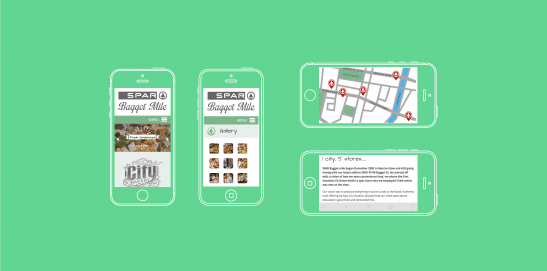
Responsive web design (RWD) has fundamentally transformed how websites are built and experienced across devices. Since its formal introduction by Ethan Marcotte in May 2010, this approach has become essential for creating flexible, user-friendly online environments that adapt seamlessly to various screen sizes and device capabilities. As technology advances and user expectations grow, understanding the history and principles behind responsive design becomes crucial for developers and businesses alike.
Before responsive web design, the standard practice was to create websites tailored specifically for desktop screens, typically around 800 or 1024 pixels wide. Designers would set fixed widths for columns and images directly in the code, which meant that a website optimized for one screen size often appeared awkward or unusable on others. This approach led to a frustrating user experience, especially as a broader range of devices with different screen resolutions emerged. Users were often forced to zoom in, scroll horizontally, or navigate clumsy layouts that didn’t fit their devices.
In the early 2000s, web developers began experimenting with fluid and liquid layouts as solutions to these problems. Unlike fixed-width designs, fluid layouts used relative units like ems and percentages to define element widths, allowing pages to stretch or shrink according to the viewing window. For instance, setting an image to be 15 ems wide or a column to occupy 25% of the screen meant the layout could respond dynamically to different screen sizes. Ems, which are based on the font size, offered some flexibility but could be unpredictable because their size depends on user settings. Percentages, on the other hand, ensured consistent proportions across devices, making the layout adaptable.
However, while fluid and liquid designs improved responsiveness to some extent, they also introduced new challenges. These layouts often resulted in content that was difficult to read or navigate on mobile devices. Since many websites maintained the same layout regardless of device, mobile users had to pinch, zoom, and scroll extensively to access content, leading to a poor experience. This was especially problematic as mobile web access became more common, and users expected quick, easy navigation without cumbersome adjustments.
When mobile devices first gained the ability to access full web pages, users faced significant hurdles. They had to contend with slow load times, awkward zooming gestures, and accidental clicks due to larger fingers pressing small links. The effort required to browse mobile websites often outweighed the benefits, making mobile web access frustrating and sometimes not worth the trouble. Meanwhile, carrying around bulky laptops was equally inconvenient, leaving mobile users in a web browsing limbo.
Marcotte’s groundbreaking paper in A List Apart argued that the future of web design depended on addressing these challenges by adopting a more adaptable approach—what he called responsive web design. RWD employs a combination of flexible widths, flexible images, and media queries—CSS filters that apply different styles based on device characteristics. Google Developers describes media queries as tools that enable CSS to respond to various screen sizes and resolutions, allowing websites to dynamically adjust their layout and content presentation.
These techniques, while individually simple, collectively empower designers to craft websites that work flawlessly across a diverse array of devices. The result is a more consistent, high-quality user experience that isn’t compromised by the device used to access the site. As the number of device types and screen sizes continues to grow, companies that want to succeed online must prioritize such adaptable design strategies.
One key advantage of RWD is that it uses a single URL and codebase, eliminating the need for multiple versions of a website tailored to different devices. This simplifies maintenance, reduces costs, and ensures all users see the same content, whether on a smartphone, tablet, or desktop. For businesses aiming for efficiency and a seamless user experience, this approach is highly beneficial. Additionally, responsive sites automatically detect the device in use and reorganize or reorient content to optimize readability and navigation, ensuring every visitor receives an appropriate and engaging interface.
If you’re considering making your website responsive, it’s important to understand the factors influencing development costs. For insights into pricing, check out this detailed analysis of website design expenses in the UK. Moreover, knowing the overall cost breakdown for website development can help you budget effectively. As web design continues to evolve, the importance of consistency in visual and functional elements remains vital—something well-explained in why consistency matters in digital communication. For those looking to stay ahead in the digital space, exploring the leading Web3 design agencies can provide valuable insights into the future of digital experiences.
In summary, responsive web design is no longer just an option but a necessity in today’s multi-device world. It ensures your website remains accessible, attractive, and functional regardless of how users access it. Embracing this approach not only improves user satisfaction but also enhances your site’s efficiency and effectiveness in reaching a broader audience.