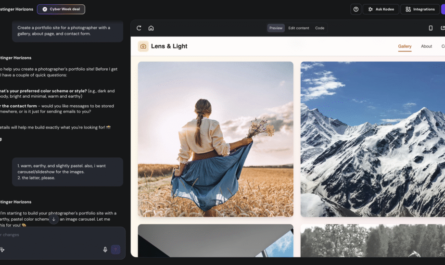
Understanding how AI-powered website builders operate is essential for anyone interested in modern web development solutions. These innovative tools leverage advanced technologies to streamline the creation of professional websites, making the process accessible, faster, and more efficient than ever before. This article delves into the mechanics behind AI website builders, exploring their evolution, core technologies, and the impact they have on digital presence management.
Explanation of AI Website Builders and Their Rising Popularity
AI website builders are sophisticated software platforms that utilize artificial intelligence and machine learning to automate various aspects of website design and development. By analyzing user input, industry standards, and design trends, they generate customized website layouts with minimal manual intervention. Their user-friendly interfaces and rapid deployment capabilities have contributed significantly to their increasing adoption, especially among small businesses and entrepreneurs seeking cost-effective solutions. These tools eliminate the need for extensive coding knowledge, democratizing web development and enabling more individuals to establish a professional online presence.
Historical Background of AI Website Builders
The concept of automating website creation with artificial intelligence is not recent. The first notable AI-driven platform, The Grid, was launched in 2014, introducing the idea of AI automating the design process. Since then, the landscape has expanded with popular options like Wix ADI, GoDaddy’s Website Builder, and Bookmark. These platforms use evolving algorithms and vast data sets to improve accuracy and customization, making AI a central component of modern web development.
A Brief History of AI Website Creation Tools
AI website generators operate by combining user-provided data with sophisticated algorithms to produce tailored website designs. Users typically input details about their business type, industry, aesthetic preferences, and content. The AI then processes this information and applies learned patterns to generate a selection of design options. Key features include drag-and-drop editors, responsive layouts, and automatic SEO optimization, which further streamline the process. This approach has democratized website creation, enabling users without technical backgrounds to launch professional-grade sites quickly and affordably. As the technology matures, its influence on website development continues to grow, promising even more intuitive and personalized experiences.
The Fundamentals of Artificial Intelligence
Defining Artificial Intelligence
Artificial Intelligence (AI) refers to the simulation of human intelligence by machines, enabling them to perform tasks traditionally requiring human cognition. These tasks include learning from data, recognizing patterns, problem-solving, and decision-making. AI encompasses various techniques such as machine learning, natural language processing, robotics, and computer vision, each contributing to the development of smarter automation tools.
Types of AI Systems
AI systems can be classified into several categories based on their capabilities:
- Reactive Machines: Basic AI that responds to specific inputs without memory or learning capabilities.
- Limited Memory AI: Can utilize past experiences to inform decisions but operates within a narrow scope.
- Theory of Mind AI: Advanced systems capable of understanding others’ emotions and intentions, a step toward true social intelligence.
- Self-Aware AI: Hypothetical systems possessing consciousness and self-awareness, currently more theoretical than practical.
Machine Learning in Automating Website Development
AI website builders predominantly rely on machine learning algorithms to automate the creation process. These algorithms are trained on extensive datasets containing examples of website structures, design preferences, and industry standards. As they process more data, they become better at generating relevant and aesthetically pleasing websites aligned with user inputs. For example, platforms like Hocoos and Firedrop demonstrate how machine learning helps in crafting personalized designs by analyzing user behaviors and preferences during the building process.
Examples of Leading AI Website Builders
Several prominent AI website builders are shaping the industry:
- Wix ADI: Uses machine learning to craft personalized website templates tailored to user responses.
- Bookmark: Employs natural language processing to interpret user conversations and generate site designs accordingly.
- Hocoos: A free platform that simplifies website creation without requiring technical knowledge.
- Firedrop: Features a virtual assistant, Sacha, guiding users through design choices and content placement.
These tools exemplify how AI reduces complexity and accelerates website deployment, especially for non-technical users.

The Significance of Data in AI Website Construction
How Data Powers AI Algorithms
Data is fundamental to the effectiveness of AI website builders. It informs the algorithms about user preferences, industry standards, and design trends. By analyzing this data, the AI can generate websites that are not only visually appealing but also aligned with business goals and user expectations. This continuous learning loop enhances accuracy and personalization over time.
Types of Data Utilized
AI-driven web design tools typically rely on diverse data sources, including:
- User Input: Information about business type, products, target audiences, and specific preferences.
- Behavior Analytics: Tracking visitor interactions such as page visits, click patterns, and time spent on various sections.
- Design Preferences: Choices related to color schemes, fonts, and layout styles.
- Competitive Analysis: Reviewing industry-leading websites to identify successful design elements and features.
How Data Guides Website Creation
The algorithms synthesize this data to determine optimal layouts, navigation structures, and visual elements. For instance, analyzing user behavior helps in refining website navigation for better user experience, while input data guides the selection of templates and color schemes. As more data accumulates, the AI becomes increasingly adept at producing websites that resonate with target audiences.
Ensuring Data Quality and Privacy
High-quality data is vital; inaccurate or incomplete information can produce ineffective designs. Equally important is safeguarding user data, especially when sensitive information is involved. Ethical data management practices bolster trust and compliance with regulations like GDPR. Improving data quality and security directly enhances the capabilities of AI website builders, enabling them to deliver more precise and secure solutions.
The Website Creation Workflow in AI Platforms
Step-by-Step Process
AI website builders typically follow a structured workflow:
- User Input: Users provide details about their business, content, and aesthetic preferences.
- Design Generation: The system produces multiple design options based on input data.
- Customization: Users can modify layouts, colors, and content to better suit their needs.
- Content Upload: Users add text, images, videos, and other multimedia elements.
- Optimization & Launch: The platform optimizes the site for search engines and responsiveness before publishing.
Personalized Design Development
AI algorithms analyze user data to craft custom designs that align with personal branding and industry standards. This process ensures that each website is unique and tailored to the user’s goals, enhancing engagement and conversion rates.
Role of User Input and Responsive Design
User input is crucial for guiding AI in creating relevant designs. Additionally, responsive design techniques ensure the website adapts seamlessly across devices, providing an optimal user experience on desktops, tablets, and smartphones. This adaptability is vital as mobile browsing continues to dominate internet access.
AI-Powered SEO Optimization
Enhancing Visibility with AI
AI website builders incorporate SEO tools that automatically generate meta tags, sitemaps, and keyword-rich URLs. These features improve search engine ranking and visibility. For example, d-fsl.org discusses how aligning design and SEO strategies maximizes online impact.
Keyword Integration and Mobile Optimization
Effective keyword research helps align website content with what potential visitors search for, increasing organic traffic. Additionally, AI tools ensure websites are mobile-friendly, which is a critical ranking factor, by leveraging responsive design techniques. This dual focus enhances discoverability and user engagement.
Comparing AI and Traditional Website Builders
Process and Flexibility
Traditional builders often require coding skills and manual customization, offering extensive flexibility but at the cost of time and effort. Conversely, AI builders automate much of the process, providing quick results with less technical input. Platforms like d-fsl.org explore how strategic design choices impact success.
Suitability for Different Projects
AI tools are ideal for small businesses, startups, or individuals seeking a professional site rapidly and economically. Traditional builders may be preferable for complex, highly customized projects requiring intricate coding and design control.
Strengths and Limitations
While AI platforms excel in speed and ease of use, they may lack the depth of customization found in manual development. Understanding project needs helps determine the most suitable approach.

Security Aspects of AI Website Builders
Security Concerns in Web Development
Cyber threats pose significant risks to website integrity and user data. Protecting against hacking, data breaches, and malware is essential for maintaining trust and compliance with legal standards.
How AI Platforms Protect Websites
Built-in security features such as SSL encryption, firewall defense, and automatic updates help safeguard sites. These solutions ensure ongoing protection against emerging threats, often more efficiently than manual configurations.
Comparing Security Measures
AI builders often incorporate standardized security protocols that update automatically, offering advantages over manual security setups in traditional builders. However, some projects may require customized security measures for sensitive or complex sites.
Future Perspectives in AI Website Building
Emerging Technologies and Trends
The future of AI website creation includes innovations like voice-command design, augmented reality previews, and deeper personalization. These advances aim to make website creation even more intuitive and engaging.
Potential Advantages and Challenges
While automation and personalization promise efficiency and tailored experiences, they also raise concerns about data privacy, algorithm biases, and reduced user control. Balancing innovation with responsibility is vital as these tools evolve.
Looking Ahead
As AI technology progresses, website builders are poised to become more intelligent, autonomous, and capable of delivering highly customized online experiences. Such developments will continue to reshape the digital landscape, making presence management more accessible and effective.

Final Thoughts
AI website builders leverage sophisticated machine learning algorithms to automate and personalize website creation, transforming how businesses and individuals establish their digital footprint. Their ability to process vast amounts of data results in websites that are not only visually appealing but also optimized for performance and search visibility. As these tools continue to advance—integrating voice commands, augmented reality, and smarter automation—they hold the potential to revolutionize web development even further.
The key to harnessing this technology effectively lies in understanding its capabilities and limitations. Ensuring data privacy, security, and ethical use remains paramount. With ongoing innovation, AI website builders will likely become indispensable tools for creating impactful, user-centric online experiences.
Explore more about the crucial aspects of web design, SEO, and user experience at d-fsl.org and harmony in web strategies. Embracing these advancements can help you stay ahead in the digital age.
Contact Matchbox Design Group today! Whether you’re seeking a website refresh, increased traffic, or strategic guidance, our team is ready to assist. Fill out the contact form below to start your journey toward a more impactful online presence.