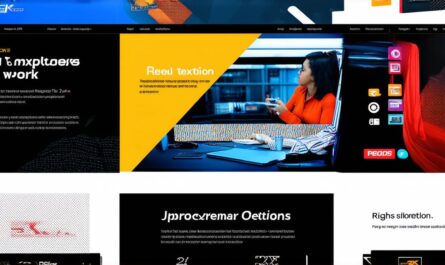
Web design encompasses a broad spectrum of visual and functional elements that create the digital experience users encounter when visiting websites. From simple static pages to complex interactive platforms, web design influences how information is presented, how users navigate, and how engaging the overall user experience is. As of 2025, web design continues to evolve rapidly, integrating new technologies, design trends, and user expectations. Below, we explore various prominent examples of web design, illustrating how different styles and approaches are utilized across industries and purposes.
1. Minimalist Web Design
Minimalism remains a dominant trend in web design, emphasizing simplicity, clean layouts, and focus on essential content. This approach reduces clutter, enhances readability, and ensures fast loading times, which are critical for user engagement and SEO. Examples include:
- Apple (apple.com): Features a sleek, clean interface with ample white space, high-quality product images, and straightforward navigation.
- Dropbox (dropbox.com): Utilizes minimal elements with a clear call-to-action (CTA), making the message direct and compelling.
Statistics show that websites with minimalistic design can increase user engagement by up to 20%, thanks to their clarity and ease of use.
2. Responsive and Mobile-First Design
With over 60% of global web traffic originating from mobile devices in 2025, responsive design has become essential. Mobile-first design prioritizes mobile usability, ensuring sites look and function well on smartphones and tablets before scaling up to desktops. Notable examples:
- Spotify (spotify.com): Offers a seamless experience across devices, with adaptive layouts and touch-friendly elements.
- Airbnb (airbnb.com): Features an intuitive interface optimized for various screen sizes, improving booking conversions.
Implementing responsive design contributes to higher search engine rankings, as Google’s algorithms prioritize mobile-friendly websites.
3. Parallax Scrolling
Parallax scrolling creates a dynamic visual experience by moving background and foreground content at different speeds. This technique adds depth and engagement, often used for storytelling or showcasing products. Examples include:
- Rally (rallyinteractive.com): Uses layered visuals to narrate a story as users scroll, enhancing immersion.
- NASA’s “The Search for Life” (nasa.gov): Combines parallax effects with informative content to captivate viewers.
Research indicates that engaging storytelling through parallax effects can increase visitor time on site by up to 50%.
4. Asymmetrical Layouts & Broken Grids
Breaking away from traditional grid systems, asymmetrical layouts create a modern, edgy aesthetic. They are often used to attract attention and highlight key elements. Examples include:
- Spotify Design (spotify.design): Features bold, asymmetrical layouts that emphasize visuals and interface elements.
- Adidas (adidas.com): Incorporates unconventional grid structures to showcase products dynamically.
This style is particularly effective for brands targeting younger audiences, with 35% of web designers adopting broken grid layouts in 2025 for their distinctive look.
5. Dark Mode & High Contrast Designs
Dark mode has surged in popularity, driven by user preference for eye comfort and battery efficiency on OLED screens. Many websites now offer toggle options. Examples include:
- Twitter (twitter.com): Provides a dark mode option, improving readability in low-light environments.
- GitHub (github.com): Supports dark themes, reducing eye strain for developers and users alike.
Studies show that dark mode increases user satisfaction and reduces bounce rates, especially during extended browsing sessions.
6. Interactive and Microinteractions
Interactivity enhances user engagement by providing immediate feedback, animations, and small interactive elements. Examples include:
- Stripe (stripe.com): Uses subtle microinteractions, such as hover effects and animated buttons, to guide users smoothly through processes.
- Apple’s product pages: Incorporate animated visuals that respond to user interactions, creating a sense of immediacy.
Data indicates that websites with effective microinteractions can improve task completion rates by up to 15%.
7. Bold Typography & Custom Fonts
Typography is a crucial component in establishing brand identity and readability. Many brands opt for bold, distinctive fonts to make a statement. Examples include:
- Spotify (spotify.com): Utilizes bold, large typography to emphasize key messages.
- Mailchimp (mailchimp.com): Uses playful, custom fonts to reinforce its brand personality.
In 2025, the use of custom fonts has increased by 40%, as brands seek unique visual identities that stand out in digital spaces.
8. Use of Video & Rich Media
Integrating videos, animations, and other rich media enhances storytelling and user engagement. Examples include:
- Apple (apple.com): Features product videos that demonstrate features instantly.
- National Geographic (natgeo.com): Uses high-quality videos to tell compelling stories about nature and science.
Websites with embedded videos can increase dwell time by up to 88%, making this a vital trend for 2025.
9. Bold Colors & Gradients
Vivid color schemes and gradient backgrounds have made a comeback, adding vibrancy and energy to websites. Examples include:
- Spotify (spotify.com): Uses bold green gradients to create a lively atmosphere.
- Adobe (adobe.com): Incorporates bright, colorful gradients to enhance visual appeal.
Color psychology shows that bold colors can increase brand recognition by up to 80%.
10. Personalization & User-Centric Design
Modern web design increasingly focuses on personalized experiences based on user data, behavior, and preferences. Examples include:
- Amazon (amazon.com): Presents personalized product recommendations based on browsing and purchase history.
- Netflix (netflix.com): Curates content tailored to user viewing habits, improving retention.
Personalized web experiences can boost conversion rates by up to 30% and improve customer satisfaction significantly.
Summary Table of Web Design Examples
| Design Style | Key Features | Notable Examples | Impact/Statistics |
|---|---|---|---|
| Minimalist | Clean layout, white space, focus on content | Apple, Dropbox | +20% engagement |
| Responsive/Mobile-First | Adaptive layouts, touch optimization | Spotify, Airbnb | Higher rankings, improved UX |
| Parallax | Depth effects, storytelling | NASA, Rally | +50% longer visit duration |
| Asymmetrical | Broken grid, bold visuals | Spotify Design, Adidas | Appeals to younger demographics |
| Dark Mode | High contrast, eye comfort | Twitter, GitHub | Enhanced user satisfaction |
| Interactive Microinteractions | Hover effects, animations | Stripe, Apple | +15% task completion |
| Bold Typography | Large, custom fonts | Spotify, Mailchimp | Brand recognition +80% |
| Rich Media | Videos, animations | Apple, NatGeo | +88% dwell time |
| Vivid Colors & Gradients | Bright hues, energetic backgrounds | Spotify, Adobe | Increased recognition |
| Personalization | Customized content, recommendations | Amazon, Netflix | +30% conversion |
Additional Resources & Trends in Web Design 2025
To stay ahead in web design, it is essential to follow current trends and technological advancements. Resources like Smashing Magazine, A11Y Project, and UX Collective provide valuable insights. Additionally, emerging technologies such as AI-driven design tools, AR/VR integrations, and progressive web apps (PWAs) are shaping the future of web development and design.
As of 2025, integrating accessibility features, optimizing for speed, and ensuring an inclusive user experience remain top priorities in web design strategies. The use of analytics and A/B testing helps refine designs based on real user data, leading to more effective and engaging websites.