Diving into the world of interactive websites opens a gateway to endless possibilities where technology, design, and user engagement converge. These digital experiences do more than just display information—they invite users to participate actively, transforming passive viewers into involved explorers. In today’s competitive online landscape, creating such immersive environments isn’t just a bonus; it’s a necessity for standing out and forging meaningful connections. Whether you’re a developer, designer, or business owner, understanding how to craft compelling web interactions can elevate your online presence and captivate your audience like never before. To deepen your knowledge, consider exploring comprehensive guides on the fundamental steps of web development, which provide valuable insights into building engaging digital platforms.
The best interactive websites
Silk
If you appreciate art but find it challenging to create your own, Silk offers an inspiring solution. This interactive generative art platform allows you to craft symmetrical, colorful designs effortlessly. As you move your mouse across the screen, the website responds by creating intricate, mirrored lines along the center axis, turning simple movements into stunning visual compositions. It’s a perfect example of how interactivity can assist users in producing artwork that might otherwise require advanced skills. Developed using HTML, CSS, and JavaScript, Silk demonstrates how thoughtful coding can transform passive browsing into an artistic experience. You can easily share your creations on social media, and the platform is available both as a web version and a downloadable app, making it accessible anywhere. For those interested in designing websites that foster creative expression, understanding the key stages involved in web creation is essential.
30 Species, 30 Pieces
This site stands out by combining simplicity with powerful messaging. Using only CSS, it presents a compelling visual narrative about endangered animals. Each of the 30 species featured has its own story, accompanied by exclusive videos that deepen awareness of their plight. The graphics are minimalistic yet charming, making the information accessible and engaging. The site’s clean design underscores how even basic coding techniques can be harnessed to create impactful educational tools. It’s an excellent example of how straightforward interactivity can raise awareness without overwhelming users. To understand how to approach designing such engaging content, you might find it useful to explore the fundamental steps to effective web design.
Visit Humboldt
For travel enthusiasts, Visit Humboldt offers an immersive journey through Humboldt County’s scenic destinations. This website transforms exploration into an interactive adventure, allowing users to select locations and pin their favorites on a custom map. The experience is enhanced by videos and background music that evoke the region’s beauty, making the virtual tour feel personal and lively. The design employs intuitive navigation and creative interactivity, setting a high standard for travel websites. Crafting such engaging interfaces requires a solid grasp of the phases involved in web design, which ensures the experience is seamless and memorable.
Hungry Book
Inspired by minimalism and culinary arts, Hungry Book combines art and recipes into an interactive digital experience. Its creative design showcases a variety of kitchen tools and ingredients, allowing users to assemble virtual kitchen sets with ease. The site’s intuitive interface and playful interactions make exploring culinary concepts fun and straightforward. This example highlights how unique visual styles and simple interactivity can effectively communicate ideas and inspire users. When designing such engaging environments, understanding the art of creating effective web interfaces is invaluable.
Fontsmith Variable Fonts
This innovative site presents a dynamic questionnaire that showcases the power of variable fonts. Split into two halves—questions on one side and answers on the other—the design uses vibrant colors and sleek visuals to encourage participation. The simplicity of the layout and the engaging design make it a prime example of how minimalistic yet effective interactivity can be. The mobile version maintains this quality, providing a quick and enjoyable experience that reveals which character from Anton Chekhov’s works you resemble. Such creative uses of web technology demonstrate how interactivity can be harnessed to make even mundane tasks engaging. To learn more about creating impactful digital interactions, check out the essential steps in web design.
Wake it Up
This playful website invites users to “wake up” a virtual character by throwing pillows or playing loud music—all within a 60-second countdown. The challenge encourages quick thinking and spontaneous interaction, making the experience lively and memorable. Such inventive concepts exemplify how gamification and fun challenges can significantly boost user engagement. Developing similar playful interactions requires a solid understanding of the phases involved in web development, ensuring smooth performance and user satisfaction.
Polish Christmas Guide
If you’re a fan of bicycles and interactive displays, this site provides a delightful experience. Cyclemon showcases various bike models through beautifully illustrated series, organized in categories. Users can browse these options via a parallax scrolling interface that makes exploring the collection feel dynamic and engaging. The site combines detailed visuals with smooth navigation, exemplifying how creativity in design can enhance product presentation. For insights into creating such captivating interfaces, reviewing the key steps in web design can be particularly helpful.
Silicon Valley Graveyard
This site offers a nostalgic yet haunting look at failed startups in Silicon Valley. While it primarily involves scrolling through content, the use of animated, wavy text adds a spooky, atmospheric touch that heightens engagement. The presentation style makes the experience memorable, emphasizing storytelling through subtle interactivity. Such creative content delivery demonstrates that even simple scrolling can be elevated by thoughtful animation and design choices. To explore how to craft compelling narratives online, consider the art of effective web design.
ARK: Star Citizen Map
For gamers and space enthusiasts, this interactive map immerses users in a detailed universe for the Star Citizen game. Its futuristic UI design and smooth navigation create a sense of exploring a sci-fi world on your screen. The high-quality visuals and intuitive controls make it a standout example of how interactive maps can enhance user engagement in digital environments. Deepening your understanding of the phases involved in web design can help you develop similar immersive experiences.
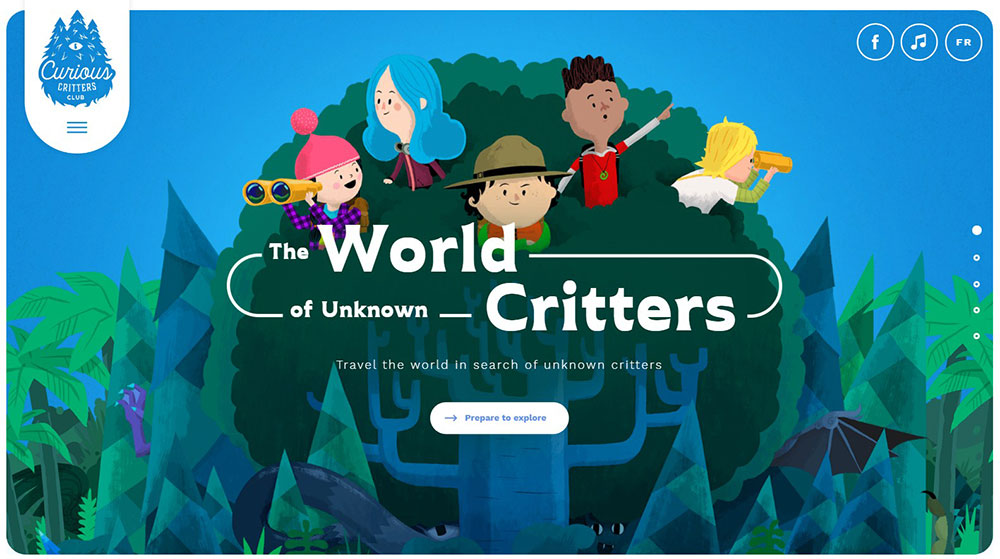
The World Of UnknownCritters
This site transports visitors into a dark sci-fi story narrated through animation and sound. As you explore, you listen to a compelling narrative about a boy obsessed with a mysterious new drink called Spook. The minimalist design and storytelling approach create an eerie, captivating atmosphere. The website’s main attraction is its ability to combine narrative, sound, and visual elements to produce an engrossing experience. To craft such engaging storytelling platforms, it’s beneficial to understand the fundamental steps in web creation.
My Grandmother’s Lingo
This educational site offers a unique interactive language learning experience for Marra, an Australian Aboriginal language. Users can speak into their microphone to practice pronunciation and progress through lessons. This real-time interaction makes language acquisition engaging and accessible. Such innovative use of technology exemplifies how interactivity can transform traditional learning methods. To explore designing effective educational platforms, reviewing the key phases in web design is highly recommended.
Allpress CultureManual
For a taste of playful interactivity, this site features a card game with animated animals and hover effects. Users can click on cards or hover over them to reveal different effects, creating a delightful experience. The site demonstrates how micro-interactions can add charm and personality to a digital environment. Learning to incorporate such subtle yet engaging effects can elevate your web projects. Discover more about this process by exploring the steps involved in effective web design.
Aquatic Macroinvertebrate Collection
This platform functions as a dynamic infographic, presenting statistical data about aquatic macroinvertebrates in an engaging, interactive format. Its creative approach raises awareness on environmental topics while providing a fascinating user experience. Such informative yet interactive content showcases the importance of combining data visualization with user engagement strategies. To deepen your understanding, consider reviewing the phases of web design.
Fishing the Feed
This innovative site allows users to click on different global locations to listen to live radio streams. It’s a captivating way to discover various music genres and radio stations worldwide. The combination of geographical interaction and audio streaming creates an immersive musical journey. Such features exemplify how multimedia integration and interactivity can make browsing a vibrant experience. For further insights into designing engaging multimedia sites, reviewing the steps involved in web development can be valuable.
FAQ on interactive websites
What makes a website interactive?
An interactive website captivates visitors through dynamic content that responds to user actions. Features like animations, videos, and real-time updates help create responsive interfaces that adapt to user input, fostering a high level of engagement. The goal is to craft respondive user experiences that invite exploration beyond static pages.
Why is interactivity important for websites?
Interactivity transforms passive browsing into an active experience, encouraging users to stay longer and engage more deeply. It enhances user experience optimization and helps build stronger connections with visitors. Well-designed interactive elements also support SEO strategies by increasing dwell time and promoting sharing, making the website more memorable and influential.
Can you give some examples of interactive website features?
Features such as web animations, interactive infographics, quizzes, and dynamic forms play a significant role. Responsive design elements, storytelling components, and virtual tours further enhance engagement, turning static content into immersive stories that motivate user participation.
How do interactive websites aid in user engagement?
They stimulate curiosity and participation by providing immediate feedback through interactive elements like sliders, clickable objects, or virtual environments. These features encourage users to explore more content, increasing the time spent on the site and fostering a sense of involvement that static pages simply cannot match.
Which tools are commonly used to create interactive websites?
Web developers often utilize JavaScript libraries like GSAP or Three.js, along with CSS frameworks such as Bootstrap. HTML5 offers rich media capabilities, while UX/UI design tools help craft engaging interfaces. Animation software like After Effects can also be integrated to produce polished effects, resulting in seamless, captivating user experiences.
How does interactivity contribute to SEO?
By encouraging longer visits and higher engagement, interactive websites tend to have lower bounce rates and increased dwell time. They promote more natural linking and sharing, which positively impacts search rankings. Additionally, well-implemented interactivity aligns with user intent, helping sites rank for a broader set of keywords.
What are some challenges faced in creating interactive websites?
Balancing creativity with performance is crucial. Overly complex interactions can slow down load times or cause compatibility issues across devices. Ensuring a consistent experience on mobile and desktop requires careful optimization. The key challenge is integrating engaging features without sacrificing usability or speed.
Can you mention some renowned interactive websites?
Google’s Chrome Experiments showcase innovative uses of web technologies through experimental projects. The New York Times employs interactive storytelling features to enrich journalism. Many brands leverage interactive elements in their marketing strategies to captivate audiences, illustrating the potential of immersive web experiences.
How can one learn to design interactive websites?
Start with online tutorials and courses on web development, focusing on responsive design and interactive programming. Practice building projects using website builders and explore content management systems. Engaging with community resources and following best practices in web design can significantly accelerate your skills.
What trends define the future of interactive websites?
Emerging trends include integration of virtual and augmented reality, providing more immersive experiences. AI-driven personalization will tailor content to individual preferences. The fusion of storytelling, data visualization, and interactive media will continue to evolve, creating more intuitive and engaging digital environments. Websites designed for digital storytelling will increasingly become sophisticated and user-centric.
Conclusion
Examining diverse examples of interactive websites reveals a landscape where creativity and technology collaborate to produce memorable digital experiences. These platforms demonstrate how user experience design can tell stories, foster engagement, and build lasting impressions. As you explore these vibrant interactive platforms, keep in mind that successful web projects blend innovative multimedia integration with responsive, user-focused design principles. Developing such sites involves understanding the latest web animation techniques and leveraging interactive media to enhance storytelling. Tools and trends in web development serve not just as novelties but as catalysts for the web experiences of tomorrow. Let these insights inspire your next project—crafting a digital journey that leaves a lasting impact and elevates your online presence.