Recognizing and understanding good design is an essential skill for any web developer aiming to deliver visually appealing and user-friendly websites. While many focus heavily on coding and functionality, the aesthetic aspect—how a website looks and feels—can significantly influence user perception and trust.
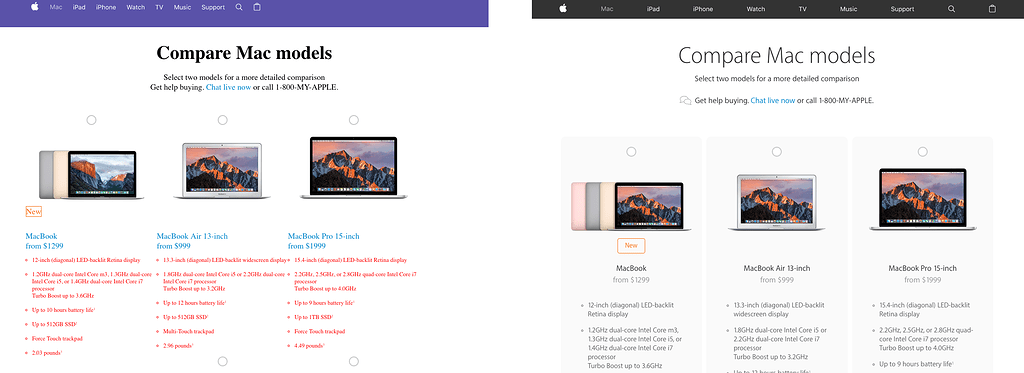
Consider two screenshots of an Apple.com webpage. Both are generated from the same HTML and Javascript code, utilizing identical frameworks and libraries. From a technical perspective, these pages are indistinguishable; even version control diffs reveal no differences. The only contrast lies in their CSS styling: one version features minimal, unpolished styles, while the other showcases the sleek, polished design Apple is known for.
This subtle change in styling profoundly impacts the overall user experience. The plain, poorly styled page might evoke feelings of neglect or a lack of professionalism, suggesting that the company behind it doesn’t care about details. Conversely, the beautifully styled version exudes trustworthiness, attention to detail, and a sense of credibility. These emotional responses influence whether a visitor feels confident enough to make a purchase or share personal information.
For web developers, especially those working with clients, understanding this distinction is crucial. Delivering a site with excellent visual design can make the difference between earning repeat business or damaging your reputation. If your client receives a website that functions perfectly but looks unprofessional, they might hesitate to hire you again, regardless of your technical expertise.
Despite this, many developers prioritize clean code and modern practices—such as ES6, JSLint, HTML5 validation, and workflows involving Babel, Grunt, Sass, and Git—believing that function trumps form. While coding standards and validation are vital, ignoring the importance of aesthetic and user experience aspects can be a costly mistake. As you plan your projects, it’s helpful to refer to guides on crafting effective design briefs, like this comprehensive resource, which emphasizes aligning design goals with client expectations.
Furthermore, adopting contemporary design principles such as material design can elevate the visual appeal and usability of your websites. Beyond aesthetics, understanding the principles of typography—more than just a font, the ins and outs of typography in web design—are vital for creating readable and engaging content that resonates with users.
In summary, cultivating an eye for good design and appreciating how visual elements influence user trust are indispensable skills for web developers. Technical prowess alone cannot guarantee success; a balanced approach that combines solid coding with thoughtful, attractive design will set your work apart and ensure client satisfaction.