Web design remains a vital component of the digital economy, driving online presence and engagement for businesses across the United States. As the industry approaches 2025, rapid technological advancements and evolving consumer preferences continue to shape its landscape. This comprehensive industry analysis explores current market size, growth trends, leading companies, key products and services, regional dynamics, competitive forces, regulatory environment, financial benchmarks, and future projections. Understanding these elements is essential for businesses aiming to stay competitive and capitalize on emerging opportunities in the web design sector.
Industry Statistics and Trends
Market Size and Recent Performance (2015-2030)
Over the past decade, the web design industry has demonstrated steady growth, reflecting the increasing importance of online presence for organizations. Industry revenue has expanded at a compound annual growth rate (CAGR) of approximately 2.3%, reaching an estimated $47.4 billion in 2025. This growth underscores the persistent demand for professional web development, user experience (UX) design, and related digital services. As companies recognize the value of a compelling online interface, investments in web design continue to rise, supporting sustained market expansion.
Trends and Insights
The proliferation of internet access has been a significant driver of industry growth. As of 2024, nearly all Americans—96.0%—report using the internet, a substantial increase from just 52.0% in 2000, according to Pew Research Center data. This widespread adoption has fueled demand for web design services that cater to diverse sectors, including e-commerce, healthcare, education, and entertainment. The rise of mobile browsing and the need for responsive, mobile-friendly websites have also pushed developers to adopt newer coding standards and design practices, further boosting industry revenues.
The expansion of broadband connectivity, coupled with advancements in web technologies and increased online consumer activity, continues to propel the industry forward. The integration of innovative features such as interactive banners, personalized landing pages, and dynamic content has become standard, emphasizing the importance of effective visual communication strategies. For example, businesses seeking to enhance their online advertising often focus on creating impactful web banners—critical elements that attract user attention and convey key messages—by leveraging techniques discussed in resources like maximizing impact with effective website banners.
Industry Outlook (2025-2030)
Looking ahead, the industry is expected to experience continued growth, driven by the ongoing digital transformation across all sectors. Market size is projected to increase steadily as more businesses recognize the necessity of a robust online presence. However, as saturation levels grow—particularly in established markets—revenue growth may slow due to increased competition and market maturity.
Trends and Insights
As digital adoption reaches near-universal levels, nearly every activity—professional, recreational, or social—is becoming interconnected through the internet. For instance, a 2024 survey indicated that 96.0% of U.S. adults are internet users, up from 52.0% two decades earlier. This trend suggests that both consumers and organizations will need to continually update and optimize their online platforms, including websites and landing pages, to meet evolving expectations. The importance of well-designed landing pages, which serve as gateways for conversions and user engagement, cannot be overstated. For best practices, see understanding landing pages definition, best practices, and types.
Market saturation, however, will likely lead to more competitive pricing and innovation. Companies that differentiate themselves through creative design, advanced functionality, and strategic branding will have a competitive edge. The adoption of emerging technologies such as AI-driven design tools and personalized content delivery will further influence future industry dynamics.
Biggest Companies in the Web Design Services Industry in the US
The US market for web design services is characterized by a highly fragmented landscape. No individual company holds more than a 5% market share, indicating a highly competitive environment with numerous small to mid-sized firms. The industry’s low consolidation level reflects its accessibility for new entrants and the diverse range of service providers, from freelancers to large agencies. Moderate barriers to entry, minimal regulation, and the prevalence of nonemployer businesses contribute to this competitive structure, making it an attractive sector for entrepreneurs and startups.
Products & Services Segmentation
Industry revenue is segmented across several core offerings, including custom platform web development, WordPress web development, e-commerce website creation, and web maintenance services. Among these, custom platform development remains the largest segment, driven by the demand for tailored, scalable solutions that meet specific client needs.
Trends and Insights
The internet’s growth has significantly increased the popularity of WordPress, a leading content management system (CMS). WordPress enables companies to build and manage websites without extensive coding knowledge, offering dynamic features and a wide selection of templates. This ease of use has made it the most prevalent CMS among consumers, accounting for more than half of the revenue generated by web design firms. Its flexibility allows for rapid deployment and customization, making it a preferred choice for small businesses and startups looking for cost-effective solutions. To explore more about web banner strategies, visit understanding banners types, uses, and benefits in modern marketing.
Table of Contents
About this industry
Industry definition
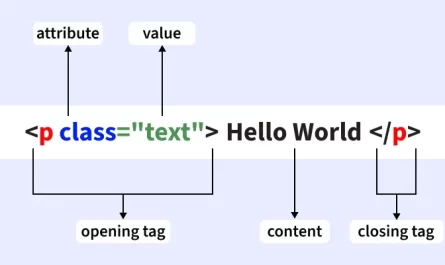
Web design services encompass the planning, creation, and ongoing maintenance of websites. Core services include graphic design, user experience (UX) optimization, interface development, search engine optimization (SEO), and coding. Web design involves various programming languages such as HTML5, CSS, JavaScript, and others, to produce responsive and engaging digital platforms.
What’s included in this industry?
Services within this sector include custom web development, WordPress site creation, e-commerce web development, and website management through various platforms. These offerings cater to a broad spectrum of client needs, from simple informational sites to complex enterprise solutions.
Companies
The industry comprises numerous small and medium-sized firms, with no dominant players holding significant market shares. This decentralized structure fosters innovation and specialization, encouraging new entrants to establish niche markets or competitive services.
Related Terms
Key terminology includes freelance web developers, JavaScript programming, SEO strategies, native and web applications, mobile responsiveness, and HTML5 standards.
Industry Code
NAICS 541511 — Web Design Services in the US
Performance
Assessing the health of the industry involves analyzing historical data, current trends, and future forecasts of key performance indicators such as revenue, employment, and profitability. The sector’s growth is propelled by increased online activity and technological innovation, with many firms adopting agile methodologies and new design paradigms.
Analyst insights
The rapid expansion of the internet has resulted in heightened demand for web design services. As businesses increasingly shift online, the need for compelling, user-friendly websites has become critical. This shift, along with advancements in design tools and coding standards, underscores the importance of effective digital branding strategies, including well-crafted banners and landing pages—topics covered extensively in understanding banners types, uses, and benefits in modern marketing.
Products and Markets
The industry’s product offerings are continually evolving, with innovations driven by technological advances and shifting consumer expectations. WordPress remains dominant due to its affordability and flexibility, while custom development services focus on delivering unique user experiences tailored to client specifications. Internationally, the industry also sees growth in emerging markets, where digital infrastructure is rapidly expanding.
Geographic Breakdown
Regional analysis indicates that the Southeast region leads in web design activity, supported by rapid population growth and a burgeoning number of startups and small businesses. States like Florida and North Carolina have become hubs for digital entrepreneurs, leveraging regional advantages such as lower operational costs and access to talent pools. For detailed regional data, see geographic breakdowns and trends.
Competitive Forces
Intense competition characterizes the web design industry, with numerous providers vying for client projects. Buyer power is high given the abundance of options, while supplier power remains low due to the widespread availability of freelance talent and software tools. Barriers to entry are moderate, enabling new firms to enter the market with relative ease. The threat of substitutes is limited but growing as DIY website builders and template-based solutions improve, emphasizing the need for traditional agencies to innovate continuously. For insights on competitive dynamics, visit maximizing impact with effective website banners.
Companies
The industry’s landscape is highly fragmented, with no single firm controlling a substantial market share. This diversity fosters innovation and specialization, allowing smaller firms to thrive alongside larger agencies. The low level of consolidation suggests opportunities for niche market focus and differentiation.
External Environment
External factors shaping the industry include regulatory considerations, such as adherence to copyright and privacy laws, which are generally minimal but critical. The industry benefits from supportive government policies and industry standards that facilitate growth. Demographic trends, including increased internet adoption and mobile device usage, further bolster industry prospects. For comprehensive insights, review understanding banners types, uses, and benefits in modern marketing.
Financial Benchmarks
Financial health in the industry is characterized by significant investment in skilled labor, with nearly half of revenue allocated to wages. Profit margins tend to be moderate due to competitive pricing and high operational costs. Cost structures are dominated by labor, technology, and marketing expenses. Regular benchmarking against industry averages helps firms optimize their financial strategies and improve profitability.
Key Statistics
Key industry data includes revenue growth, number of establishments, employment figures, and export-import dynamics, with projections extending through 2030. Understanding these metrics enables companies to identify growth opportunities and prepare for market shifts.
Top Questions Answered
- In 2025, the industry is valued at approximately $47.4 billion.
- There are around 203,000 active businesses providing web design services.
- The industry faces minimal impact from import and export tariffs due to low trade dependency.
- Growth over the past five years has been steady, with a CAGR of 2.3%.
- Future growth will be sustained by increasing online engagement and technological innovation, such as AI-powered design tools.
Methodology
IBISWorld’s industry reports are crafted through rigorous analysis of official government data, industry sources, and proprietary databases. Forecasts employ statistical models like regression and time-series analysis, complemented by expert judgment. This approach ensures highly accurate, reliable insights, supporting strategic decision-making for industry stakeholders.
For more details on our research process, visit the IBISWorld methodology overview.